Introduction
Pakistan, a country located at the crossroads of South Asia, plays a pivotal role in regional politics and economics. The importance of developments in Pakistan resonates far beyond its borders, influencing trade, security, and geopolitics in an increasingly interconnected world. Recent events highlight the dynamic nature of the nation as it faces various challenges and opportunities.
Political Landscape
In recent months, Pakistan has experienced significant political upheaval. The appointment of new Prime Minister Anwaar-ul-Haq Kakar has created a wave of optimism regarding political stability, although challenges remain in governance and public trust. The caretaker government’s main focus revolves around addressing pressing economic issues, which have been exacerbated by inflation and currency instability, leading to a cost-of-living crisis for many citizens.
Economic Challenges
Pakistan’s economy has been grappling with numerous difficulties, including a high debt burden and diminishing foreign reserves. The International Monetary Fund (IMF) has been providing support, with negotiations continuing over the next tranche of funding. Recent reports indicate that external economic pressures have led to a rise in unemployment, pushing families to struggle amidst tightening fiscal policies. Initiatives to boost local manufacturing and exports are being prioritized to mitigate these economic hurdles.
Security Issues
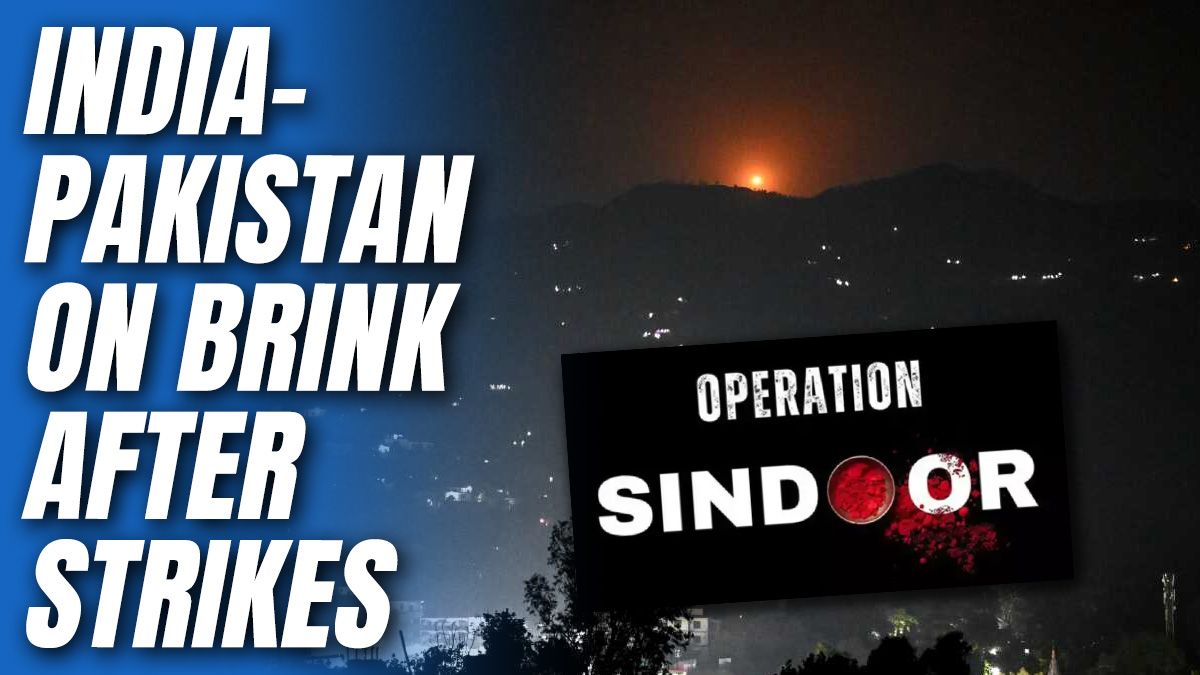
Security remains a prominent concern in Pakistan amidst growing tensions with militant groups. Recent attacks in various provinces have raised alarms regarding the safety of citizens and the capacity of the state to manage internal security effectively. The government is under pressure to enhance law enforcement capabilities while also ensuring that human rights are respected in their efforts to combat terrorism.
Environmental Challenges
Environmental issues have taken centre stage, especially after devastating floods which impacted millions last year. The Pakistani government is striving to build a resilient infrastructure that can withstand such disasters in the future. Furthermore, there is growing advocacy for sustainable practices and renewable energy solutions to combat pollution and address climate change challenges.
Conclusion
The landscape in Pakistan is evolving, marked by political, economic, and social factors that will greatly influence the future. As the nation navigates these challenges, engaging with international partners could enhance its path to stability and development. For citizens and observers alike, the unfolding story of Pakistan remains crucially significant, indicative of broader regional trends and the quest for sustainable progress.