Introduction
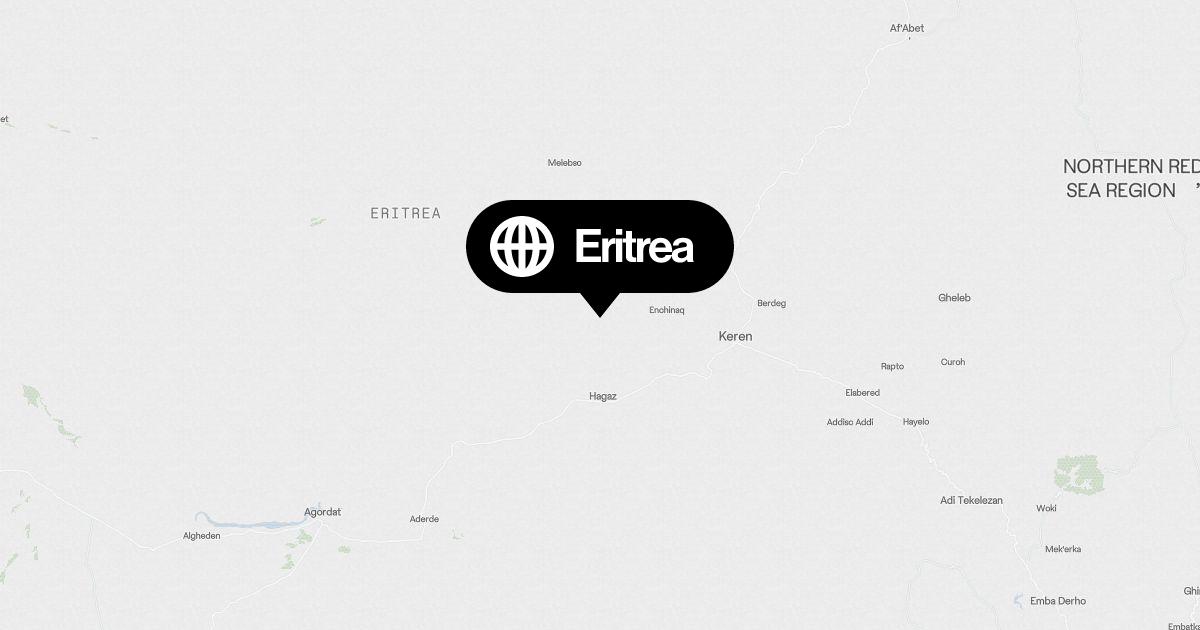
Eritrea, a small nation located in the Horn of Africa, has faced a multitude of challenges since its independence from Ethiopia in 1993. Understanding the current events shaping this nation is crucial as they reflect broader issues of human rights, economic development, and regional stability. Recent developments, particularly regarding the state of human rights, migration, and Ethiopia’s influence in the region, have made Eritrea a focal point for international attention.
Human Rights Concerns
Reports from various human rights organisations have consistently highlighted the grave situation in Eritrea. The government, led by President Isaias Afwerki, is often accused of repressing dissent and restricting fundamental freedoms. The dictatorship remains one of the longest in Africa, holding a firm grip on power without elections and maintaining a national service requirement that extends indefinitely. According to Human Rights Watch’s recent report, over 10,000 political prisoners are believed to be imprisoned without trial, shedding light on the significant human rights violations within the country.
Migration Issues
The harsh conditions in Eritrea have led to a mass exodus of its citizens seeking better opportunities abroad. The International Organisation for Migration (IOM) reports that Eritreans comprise one of the largest groups of asylum seekers in Europe. In 2023, an influx of Eritrean migrants has navigated treacherous paths through the Mediterranean, framing a humanitarian crisis that requires global attention. Many escape the oppressive regime and unbearable economic hardship, which has exacerbated following the COVID-19 pandemic. Countries in Europe and the United States are grappling with how to effectively respond to this surge in migration, leading to discussions on asylum policies and refugee assistance.
Economic Developments
Despite its challenges, Eritrea has made strides in some economic sectors, particularly in mining. The country is rich in resources such as gold, silver, and copper, which are attracting foreign investments. Recent partnerships, particularly with companies from Canada and Australia, aim to boost the mining sector, which officials hope will help create jobs and improve the economy. However, without substantial reforms and an open political environment, the benefits of such investments may prove limited in addressing the broader issues of poverty and unemployment.
Conclusion
The situation in Eritrea remains complex, intertwining ongoing human rights abuses, significant migration challenges, and modest economic progress. As the international community continues to monitor these developments, it is essential for Eritrea’s leadership to embrace reforms that foster human rights, enhance economic opportunities, and allow for political participation. The future of Eritrea hinges not only on its internal policies but also on its relationships with neighbouring countries, especially Ethiopia, with whom relations have seen some improvement since the peace agreement of 2018. Understanding and addressing these multifaceted challenges is vital for the stability and prosperity of Eritrea and the wider region.