Introduction
The share price of HSBC Holdings plc is a critical indicator not only of the bank’s financial health but also of the broader market’s perception of the banking sector and economic stability. As one of the largest banking and financial services organisations in the world, HSBC’s performance is keenly watched by investors and financial analysts alike. The fluctuations in its share price can reflect investor sentiment towards global financial climates, geopolitical issues, and regulatory changes.
Current Market Performance
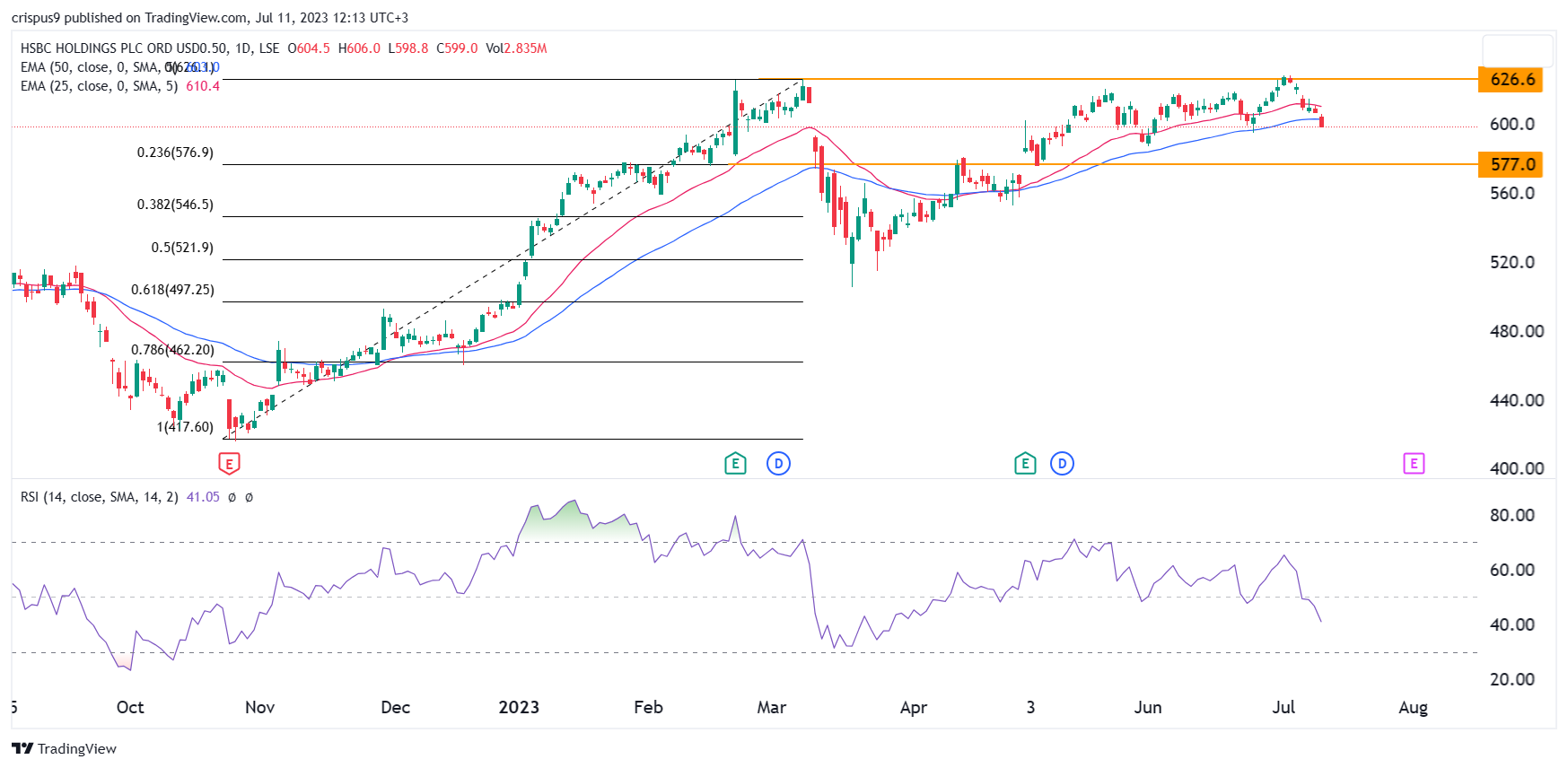
As of late 2023, HSBC’s share price has experienced considerable volatility. In the last month, for instance, the share price has fluctuated between £5.00 to £5.50, influenced by various sector developments and wider economic factors. Factors affecting the share price include recent interest rate hikes by central banks, which aim to tackle inflation yet could impact borrower demand and credit quality.
Additionally, the geopolitical landscape, particularly tensions in China and the United States trade relations, poses challenges. Analysts have noted that while HSBC’s exposure to Asia can yield growth, it also adds a layer of risk which investors are closely monitoring.
Key Factors Influencing HSBC Share Price
1. Interest Rates: With the Bank of England and Federal Reserve making moves regarding interest rates, HSBC is susceptible to changes in its net interest margins, an essential component of its profitability.
2. Global Economic Conditions: The performance of major economies, particularly in Asia-Pacific regions where HSBC has a significant presence, continues to directly impact its operations.
3. Regulatory Environment: Changes in banking regulations, especially concerning capital requirements and loan loss provisions, can also directly affect the bank’s financial performance and share price.
Analyst Predictions and Future Outlook
Market analysts remain cautiously optimistic about HSBC’s future prospects, predicting that as economies stabilise and the demand for loans potentially increases, share prices may begin to recover. However, market watchers stress the importance of vigilance regarding geopolitical tensions and economic data releases, which will continue to impact investor decisions.
Conclusion
In summary, HSBC’s share price is currently under pressure from a multitude of factors, reflecting broader market sentiments and economic indicators. Investors should keep abreast of these developments, as the bank’s strategic positioning in key markets could present opportunities should conditions improve. Staying informed about both global and regional economic trends will be vital for those looking to invest in HSBC shares.