Introduction
The Lloyds share price is a critical indicator of the bank’s performance and the health of the UK financial sector. With growing interest in the post-pandemic economic recovery and its effects on banking stocks, investors are keenly observing the fluctuations in Lloyds’ shares. Recent developments in the economy, regulatory changes, and market trends have contributed significantly to the performance of Lloyds shares, making this an important topic for stakeholders.
Recent Performance and Factors Influencing the Share Price
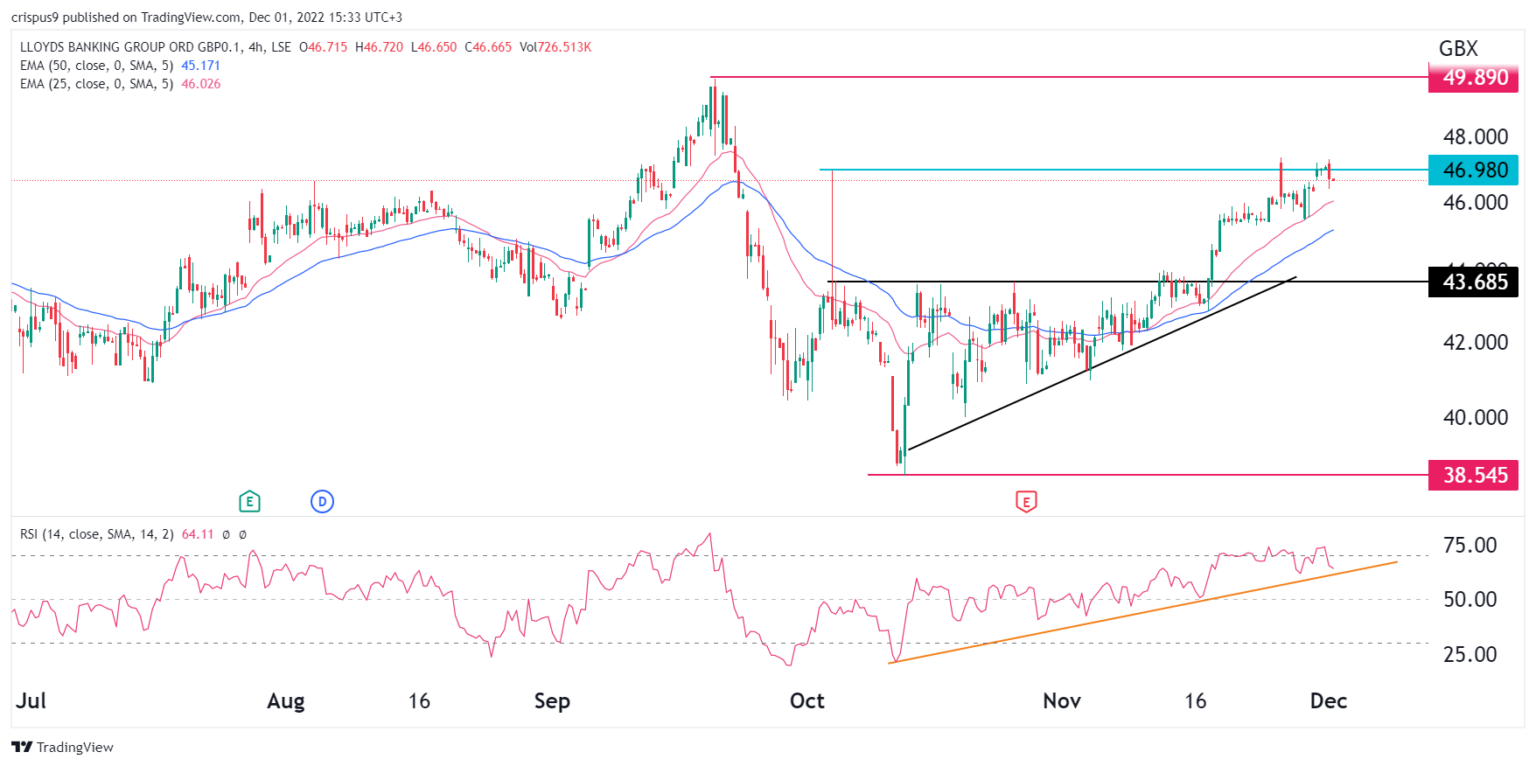
As of October 2023, Lloyds Banking Group’s share price has experienced a notable increase, recently trading around £0.55, up from £0.47 earlier in the year. Analysts attribute this increase to improved consumer confidence, a rise in interest rates, and the easing of restrictions that benefitted the banking sector.
Since the beginning of the year, the UK’s economic performance has shown signs of recovery, impacting Lloyds positively. A report by the Bank of England indicated that the UK economy is forecasted to grow at an average rate of 1.5% over the next few years, with a slight boost from increased consumer spending and housing market stability. These trends have caused optimism among investors, resulting in increased trading volume and higher share prices.
Market Sentiment and Investor Confidence
Investor sentiment has also been influenced by Lloyds’ commitment to enhancing its digital banking services amidst rising competition in the sector. In late September 2023, Lloyds announced an initiative to increase investments in technology, aiming for growth in digital banking, which may attract younger customers and enhance customer experience.
Additionally, analysts have pointed out that Lloyds’ significant presence in the mortgage market offers potential for profitability, particularly given the observed trend of increasing property values. This aspect is significant as home loans typically generate steady interest income for the bank.
Conclusion
In summary, the current Lloyds share price reflects a mixture of recovery signals from the UK economy and strategic decisions made by the bank to bolster its market position. For investors, the outlook remains cautiously optimistic, with many analysts suggesting that the share price could see continued stability or gentle growth in the coming months. However, potential challenges, including economic uncertainties or changes in interest rates, could affect investor sentiment negatively. Thus, monitoring Lloyds’ market performance and economic factors will be essential for ongoing decision-making.