How it unfolded
As of March 31, 2026, Springfield, Oregon, is witnessing a critical juncture in its educational funding landscape. The Springfield Public Schools (SPS) has been grappling with a budget deficit that has seen its figures drop from an alarming $10.4 million to a still concerning $7.9 million. This reduction, while a step in the right direction, underscores the ongoing financial challenges facing the district, primarily driven by a significant decline in student enrollment.
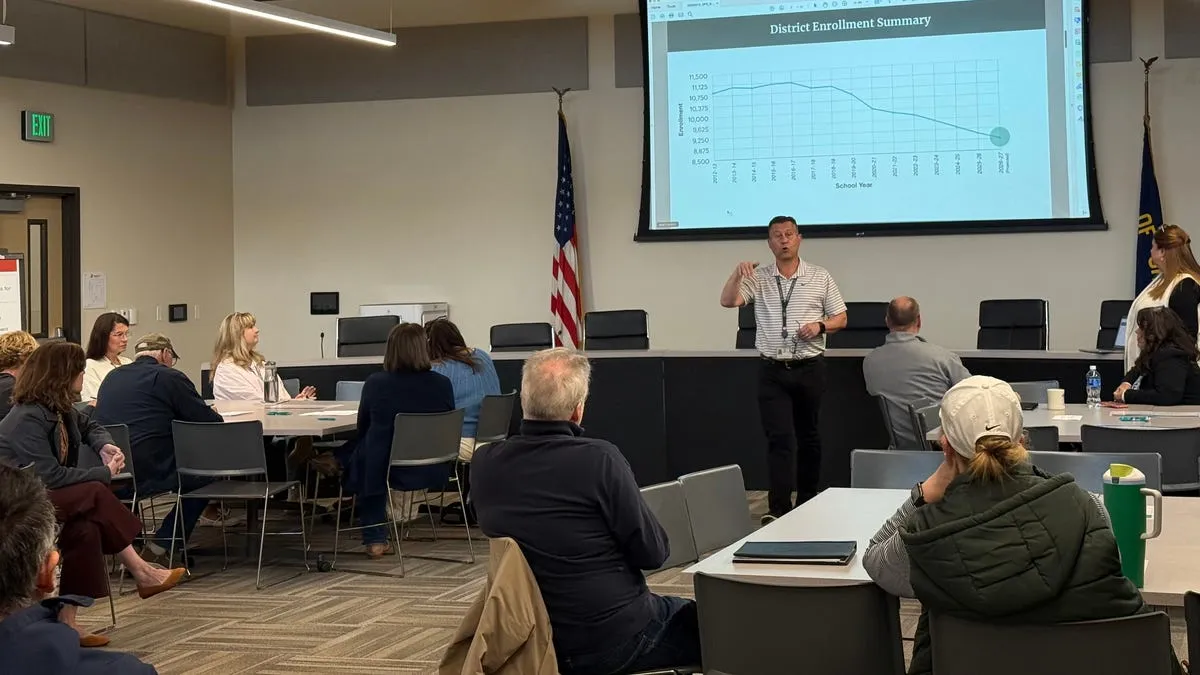
Enrollment at Springfield Public Schools has decreased by over 2,000 students since the 2016-17 school year, a trend that has not only strained the district’s finances but has also raised questions about the sustainability of its educational programs. In response to these pressures, SPS has imposed a hiring freeze and reallocated capital dollars to mitigate the deficit. The district is also preparing to spend down approximately $6.7 million of its reserves this year, which, while necessary, raises concerns about future financial stability.
To engage the community in addressing these challenges, SPS has initiated a series of four community forums aimed at gathering feedback on budget priorities. Brett Yancey, the chief operations officer for SPS, emphasized the importance of these forums, stating, “The district is holding four community forums to get feedback and find out priorities.” This proactive approach seeks to involve stakeholders in the decision-making process, ensuring that the needs of students and families are considered amid financial constraints.
However, the financial landscape is not limited to Springfield. The Eugene School District 4J is facing an even steeper shortfall of up to $50 million, while the Bethel School District is operating on a $1.8 million deficit, leading to the closure of Shasta Middle School. These developments highlight a broader trend of financial distress among local educational institutions, raising alarms about the future of public education in the region.
In Springfield, the budget shortfall represents about 5% of the district’s approximate general fund budget of $150 million. Notably, 79% of this general fund is allocated toward compensation, which indicates that any further budget cuts may inevitably lead to staff reductions. In January, SPS already laid off 27 licensed employees due to the budget shortfall, and Yancey has indicated that more staff reductions could be on the horizon, stating, “It’s likely more staff reductions will come, as Yancey pointed out that 79% of the district’s general fund goes toward compensation.”
The financial strain on Springfield Public Schools is compounded by the fact that the district expects to deplete its reserves from an initial $20.9 million to approximately $14.2 million after this year’s spending. This depletion raises critical questions about the district’s ability to maintain educational quality and support services in the long term.
As the first community forum was held on March 30, 2026, stakeholders are beginning to voice their concerns and priorities. The outcomes of these discussions will be pivotal in shaping the district’s budgetary decisions moving forward. The community’s engagement may provide insights that could help mitigate the immediate financial crisis while also laying the groundwork for a more sustainable financial future.
The situation in Springfield serves as a microcosm of the challenges facing public education systems across the country. As districts grapple with declining enrollment and rising operational costs, the need for innovative solutions and community involvement has never been more critical. The decisions made in the coming months will not only impact the current generation of students but will also set the tone for the future of education in Springfield and beyond.