As the Department of Homeland Security (DHS) grapples with ongoing funding challenges, a significant development occurred on April 10, when DHS ordered thousands of furloughed employees back to work. This directive affects employees across various DHS agencies, including FEMA and CISA, and marks a pivotal moment for those who have been without pay since the shutdown began on February 14.
DHS Chief Human Capital Officer La’ Toya Prieur announced that all DHS employees are being returned to a work and paid status. This decision comes as a relief to more than 35,000 employees who have begun receiving paychecks after a prolonged period of uncertainty. However, the recall is not without its limitations; recalled employees are barred from overtime and must restrict their work to excepted functions.
The recall of furloughed employees aims to stabilize core functions and enhance disaster response readiness. This is particularly crucial as the nation faces various challenges requiring a robust response from DHS. However, the directive raises legal and budgetary questions regarding the Antideficiency Act, which prohibits federal agencies from spending more than their allocated funds.
Despite the immediate relief provided by the recall, the timeline for a resolution on Capitol Hill regarding DHS funding remains unclear. President Trump has set a deadline of June 1 for a reconciliation bill, but the implications of recalling furloughed employees on legal and budgetary matters remain uncertain. Should the Department exhaust currently available funds, employees may receive new notifications regarding their work status.
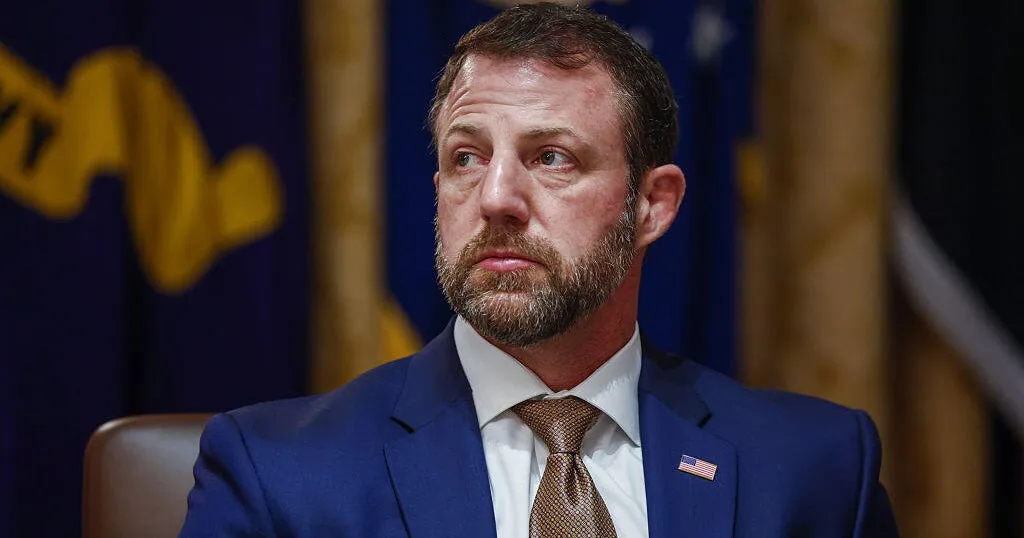
Markwayne Mullin, a key figure in the discussions, stated, “The majority of everybody will be paid by then,” indicating a hopeful outlook for those affected. However, the reality is that future checks for DHS employees depend entirely on lawmakers’ actions regarding funding.
Failure to report for duty as directed may result in administrative or disciplinary action, adding another layer of stress for employees who have already faced significant challenges during the shutdown. Historically, during lapses in federal funding, only excepted employees continue working, usually without pay, making this situation particularly complex.
As the situation unfolds, the implications for DHS employees and the broader operational capacity of the department remain to be seen. Details remain unconfirmed, and stakeholders are closely monitoring developments on Capitol Hill.