Introduction
Anglesey, located off the north-west coast of Wales, is renowned for its stunning landscapes, rich history, and vibrant culture. As the largest island in Wales, Anglesey is home to picturesque coastal areas, ancient monuments, and a unique Welsh heritage. The island is a significant tourist attraction, drawing visitors who seek both adventure and tranquility. In recent years, Anglesey has also become a key focus for renewable energy projects, highlighting its role in the future of sustainable living.
Natural Attractions and Heritage
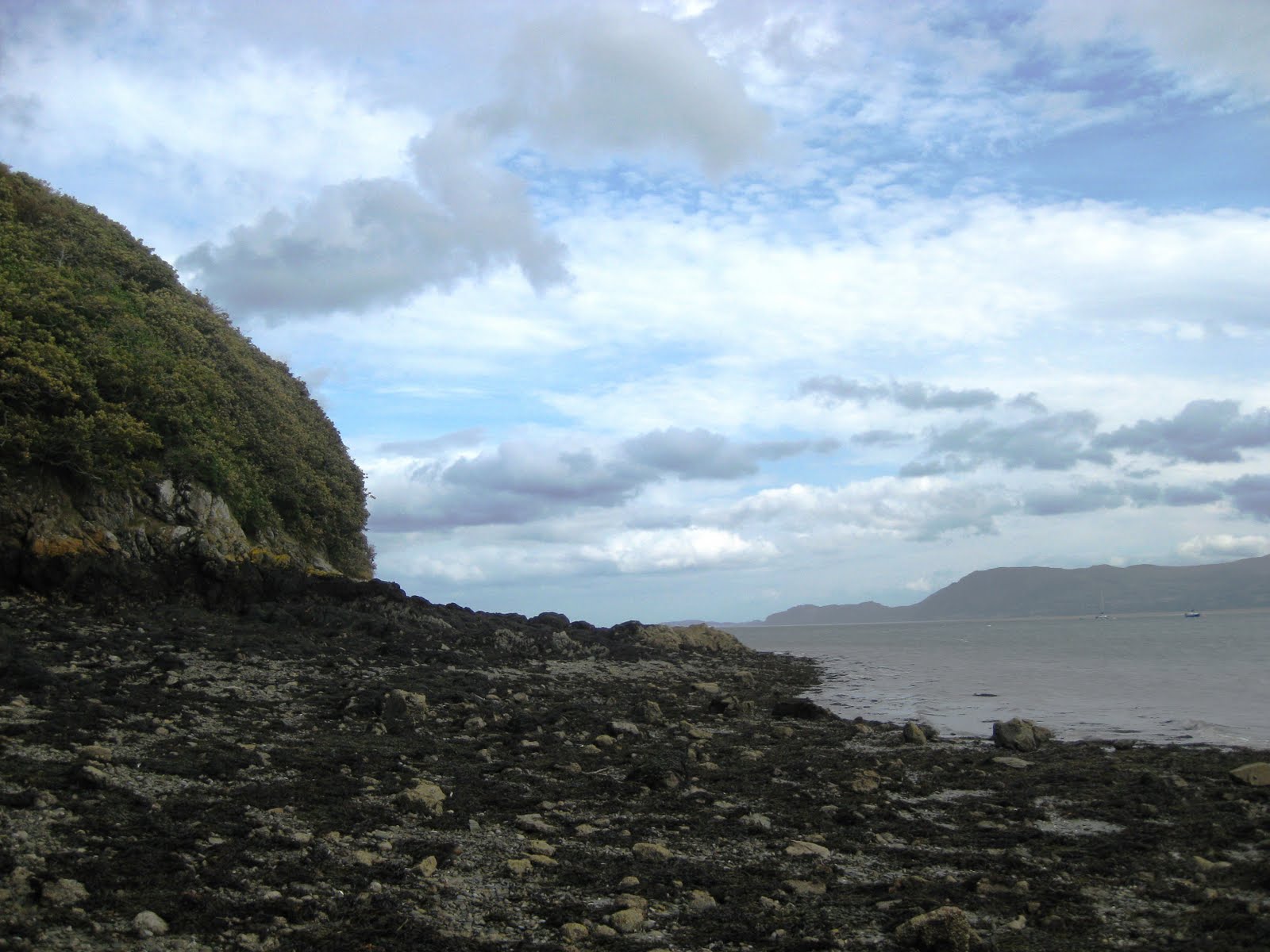
The breathtaking beauty of Anglesey’s coastline is one of its major draws, with over 125 miles of coastal paths and award-winning beaches. Visitors can explore the stunning Ynys Llanddwyn, a national nature reserve and former home of Saint Dwynwen, the Welsh patron saint of lovers. The island’s rich history is reflected in its many ancient sites, including the prehistoric burial chamber of Bryn Celli Ddu and the iconic Beaumaris Castle, which is a UNESCO World Heritage Site.
Recent Developments
In recent years, Anglesey has gained attention for its commitment to renewable energy. The island is home to several wind farms and is set to become a hub for future energy innovations. The North Wales Wind Farm Connection project, aimed at connecting wind farms to the national grid, is underway and promises to provide a boost to the local economy while promoting environmental sustainability. Furthermore, plans for the world’s first tidal lagoon project aim to harness the power of the sea, providing a sustainable energy source and job opportunities for local residents.
Community and Culture
The culture of Anglesey is deeply rooted in the Welsh language and traditions. Local festivals, particularly the annual Anglesey Agricultural Show, celebrate the island’s agricultural heritage and community spirit. Artists and craftsmen thrive here, drawing inspiration from the stunning surroundings that encapsulate the essence of Welsh culture. The island is also known for its diverse cuisine, with an emphasis on local produce, seafood, and traditional Welsh dishes.
Conclusion
As Anglesey embarks on a new chapter in its development, the balance between embracing modernity and preserving its historic charm remains critical. The island is not only a paradise for tourists but also a model for sustainable living. Moving forward, Anglesey’s blend of natural beauty, cultural richness, and innovative projects makes it a significant destination in Wales that promises to charm and inspire many generations to come.