Introduction
Namibia, located in southwestern Africa, is renowned for its stunning landscapes, diverse wildlife, and rich cultural heritage. With natural attractions like the Namib Desert and Etosha National Park, the country has increasingly gained attention from tourists and conservationists alike. Understanding Namibia’s ecological significance and its efforts in conserving these natural resources is essential, especially as global environmental concerns rise.
Natural Beauty and Biodiversity
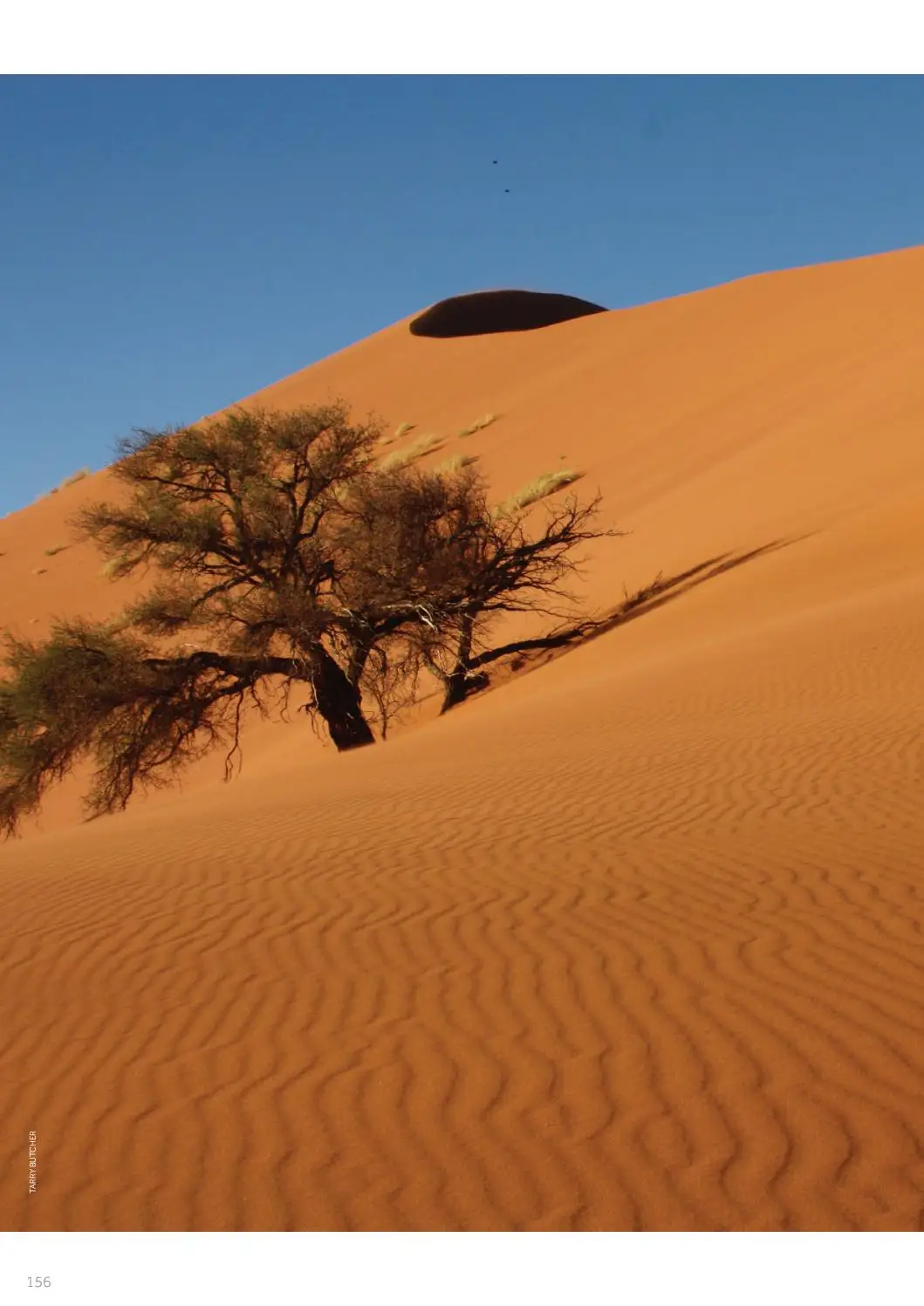
Namibia’s striking landscapes include the world’s oldest desert, the Namib, characterized by magnificent red sand dunes and the mesmerizing Skeleton Coast. These dunes stand as a testament to the earth’s history, some towering over 300 meters in height. Visitors flock to locations like Sossusvlei to experience breathtaking sunrises and sunsets against the unique backdrop of these dunes.
Etosha National Park, another gem, covers approximately 22,000 square kilometres and is home to an abundance of wildlife including elephants, lions, and over 340 bird species. The park’s unique salt pan attracts both animals and tourists, offering spectacular wildlife viewing opportunities. Conservation efforts in Namibia have allowed populations of endangered species such as the black rhino to increase, and these initiatives are often highlighted as a model for sustainable tourism.
Cultural Significance
Beyond its natural wonders, Namibia boasts a rich tapestry of cultures. The country is home to various indigenous groups, including the Himba and San peoples, each with their own customs and traditions. Engaging with local communities provides insights into their way of life, traditions, and efforts to balance modernity with heritage. Many tour operators now promote responsible tourism that supports local communities and economies while preserving their cultural identities.
Conclusion
As Namibia continues to attract attention on the global stage, the importance of sustainable practices cannot be overstated. The country’s commitment to conservation and responsible tourism plays a pivotal role in preserving its remarkable landscapes and biodiversity for future generations. For readers considering a travel experience that combines adventure with the opportunity to learn about and support wildlife conservation and cultural heritage, Namibia offers an unparalleled destination. With its blend of natural beauty and rich cultural experiences, Namibia stands not only as a destination for today’s adventurers but also as a vital example of how tourism, when managed sustainably, can benefit both the environment and local communities.