Introduction
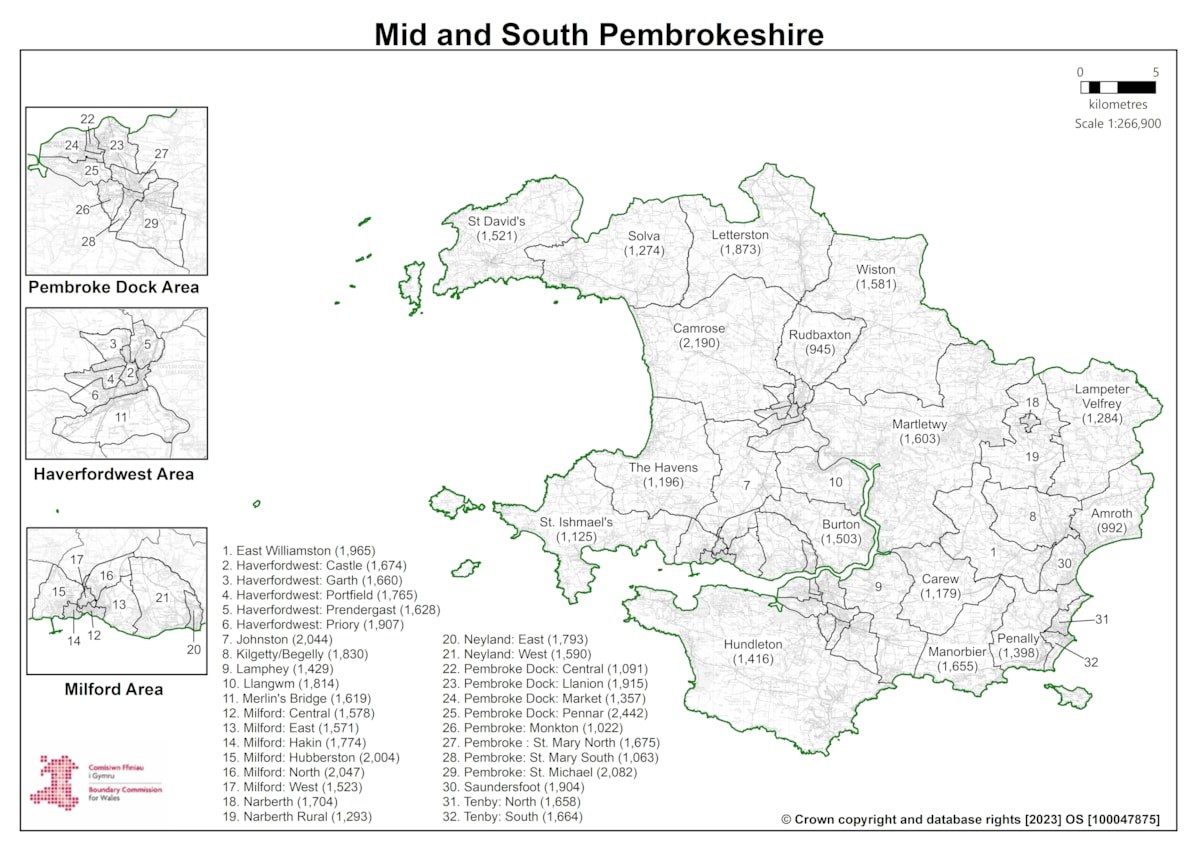
Pembrokeshire, located in the picturesque southwest of Wales, is renowned for its striking coastlines, rich cultural heritage, and diverse wildlife. As a region that combines natural beauty with a wealth of historical significance, Pembrokeshire attracts thousands of visitors each year. This unique area is not only a haven for nature lovers but also a treasure trove of history, making it a critical subject for understanding Wales’ environmental and cultural landscape.
The Natural Landscape
One of the crown jewels of Pembrokeshire is the Pembrokeshire Coast National Park, the only coastal national park in the UK. Covering over 240 square miles of breathtaking scenery, the park features rugged cliffs, sandy beaches, and a myriad of marine wildlife. The Pembrokeshire Coastal Path provides hikers with the chance to experience some of the most stunning views in the country, winding through charming villages and captivating landscapes.
This month, the park has been in the news for its significant biodiversity project, aimed at preserving endangered species and habitats. Local conservationists report an increase in sightings of the rare puffin population, which have benefited from newly established breeding sites on offshore islands.
Cultural Significance
Pembrokeshire is not only known for its natural wonders but also for its vibrant cultural heritage. The region is dotted with historical sites, including the medieval Pembroke Castle and the ancient standing stones at Pentre Ifan. Festivals celebrating local traditions, such as the Fishguard Folk Festival, draw visitors and residents together, promoting community spirit and cultural pride.
Current Events and Research
The Pembrokeshire Council has recently launched several initiatives to promote sustainable tourism, balancing the conservation of its natural resources while ensuring local economies thrive. Surveys indicate that 70% of tourists visiting the area prioritise eco-friendly travel, prompting local businesses to adopt greener practices. Visitors can now partake in eco-tours, which highlight the importance of conservation in preserving Pembrokeshire’s beauty.
Conclusion
Pembrokeshire continues to be a vital part of the Welsh identity, offering visitors a chance to connect with nature and immerse themselves in a rich tapestry of history and culture. With ongoing efforts in conservation and sustainable tourism, the future of Pembrokeshire looks bright. This beautiful region not only encapsulates the natural beauty of Wales but serves as a crucial model for environmental stewardship that could inspire other regions worldwide. The increasing awareness and appreciation of Pembrokeshire’s heritage and landscapes signify its importance as a treasured destination that will continue to attract admirers for generations to come.