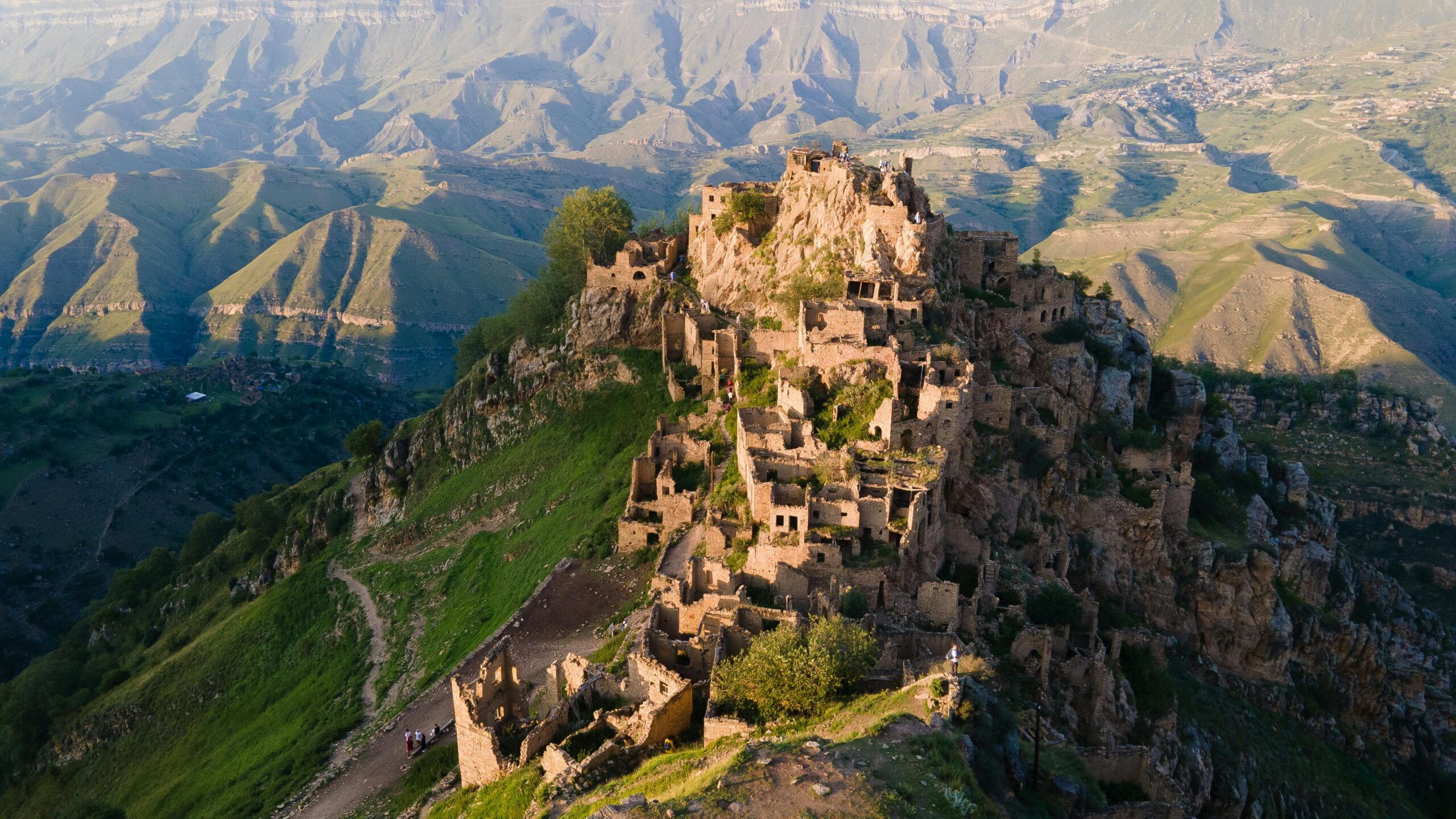
Introduction: The Significance of Dagestan
Dagestan, a republic located in the North Caucasus region of Russia, is renowned for its rich cultural heritage and diversity. Home to over 30 ethnic groups and a blend of languages and traditions, Dagestan offers a unique glimpse into a mosaic of culture that contributes to the broader identity of the Russian Federation. Understanding Dagestan’s intricate dynamics is crucial, especially given its strategic location and recent developments that shape its future.
Current Events and Developments
Over the past few months, Dagestan has been in the news not only for its stunning landscapes and hospitable people but also for important socio-political events. In September 2023, Dagestan held local elections, which garnered significant attention for their implications on regional governance. Analysts suggested that the elections would determine the extent of local autonomy and influence against a backdrop of federal oversight.
In addition to political developments, Dagestan has been striving to improve its economy. The Dagestani government has recently announced a series of investments aimed at boosting tourism and enhancing infrastructure. The unique blend of mountains, history, and traditional crafts positions Dagestan as an emerging tourist hub.
Social and Cultural Aspects
Culturally, Dagestan is a treasure trove. Events such as the annual Mountain Festival continue to celebrate local traditions, including music, dance, and cuisine. Furthermore, there are ongoing efforts to preserve the Dagestani languages, some of which are critically endangered. The republic’s schools are promoting dual-language education to ensure that the younger generation stays connected with their heritage.
Conclusion: Looking Ahead
The future of Dagestan appears to be marked by a blend of tradition and modernity. As the republic navigates the challenges of political reform and economic development, it is also poised to showcase its rich heritage to a global audience. Observers anticipate that with continued investment in tourism and education, Dagestan may well become a significant player in the North Caucasus region, attracting visitors and enhancing its socio-economic landscape.
For readers interested in geopolitics or cultural studies, keeping an eye on Dagestan will yield insights into the broader trends shaping Russia and the Caucasus. As the region evolves, so too will its contributions to the cultural and political tapestry of Eastern Europe.