Introduction to Sicily
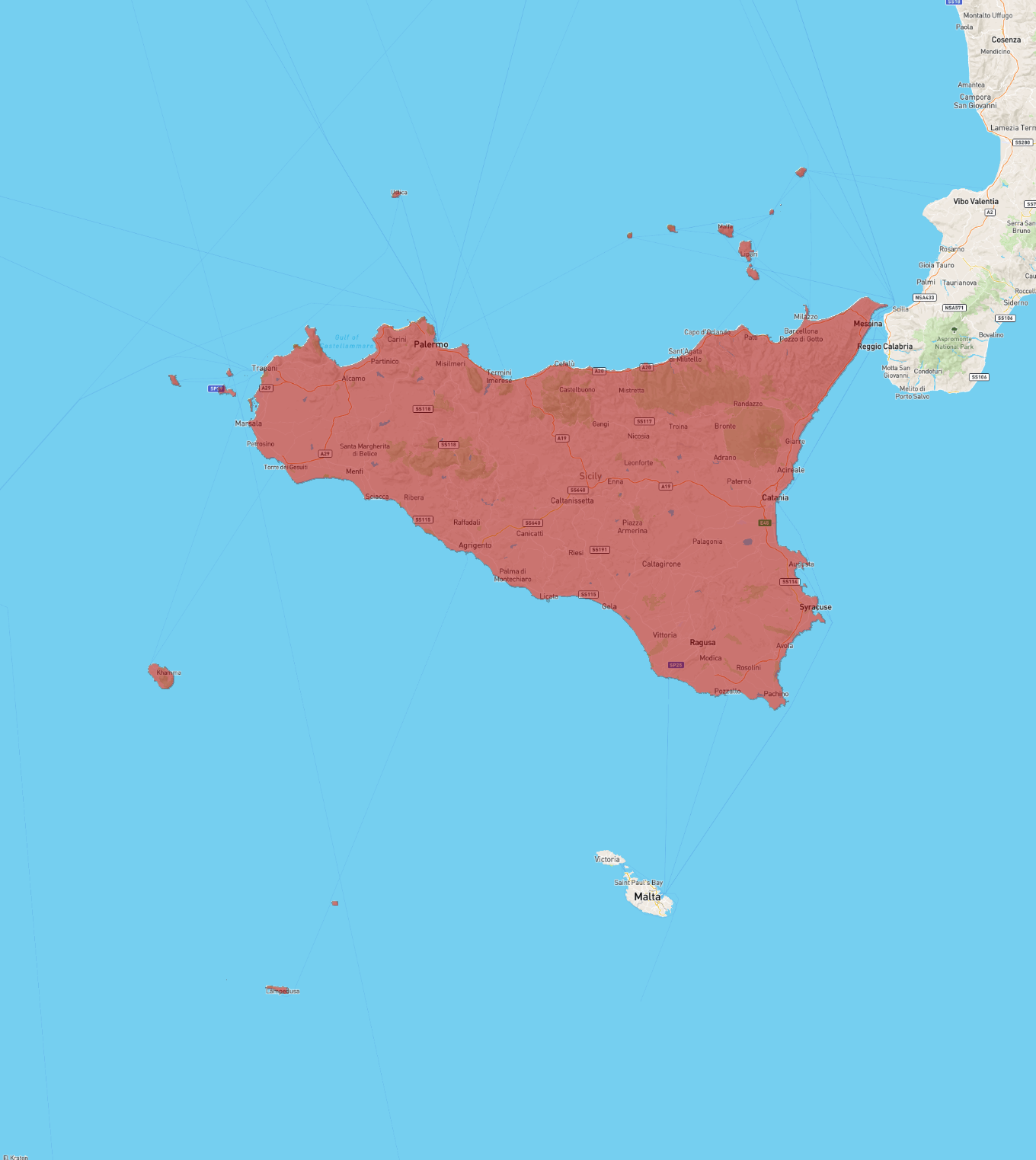
Sicily, the largest island in the Mediterranean Sea, is renowned for its rich history, diverse culture, and stunning natural landscapes. As the birthplace of notable figures such as Archimedes and the setting of ancient Greek settlements, Sicily occupies a central role in European history. Its strategic location has made it a melting pot of civilizations over the centuries, drawing tourists keen to explore its archaeological treasures and vibrant culture.
Historical Significance
Sicily’s history is a tapestry woven from the influences of various cultures, including the Greeks, Romans, Arabs, Normans, and Spanish. These historical layers are evident in the island’s architecture and archaeological sites. Key historical sites include the Valley of the Temples in Agrigento, a UNESCO World Heritage site featuring well-preserved Greek temples, and the ancient theatre of Taormina, which offers scenic views of Mount Etna.
Cultural Richness
The cultural richness of Sicily is often reflected in its festivals, cuisine, and arts. The island is famous for its culinary delights, such as arancini, cannoli, and fresh seafood, showcasing a mix of Italian and Mediterranean flavours. Festivals like the Infiorata di Noto celebrate local art and community spirit, drawing visitors from around the world. Furthermore, Sicilian operatic traditions contribute to Italy’s rich musical heritage, with the drama of the Sicilian puppet theatre captivating audiences.
Natural Beauty
Beyond its historical and cultural significance, Sicily boasts stunning natural landscapes, from the majestic Mount Etna, one of the most active volcanoes in the world, to idyllic beaches along the coastal towns of Cefalù and San Vito Lo Capo. National parks such as the Madonie and Nebrodi offer hiking opportunities amid breathtaking scenery, making Sicily an attractive destination for outdoor enthusiasts.
Current Events and Tourism Impact
Tourism in Sicily is rebounding post-pandemic, with an increasing number of international visitors seeking both relaxation and adventure. As local governments invest in infrastructure and tourism promotion, areas such as Palermo and Catania are becoming vibrant hubs for cultural exchanges and economic growth. These developments are crucial as the local economy heavily relies on tourism.
Conclusion
The allure of Sicily lies in its unique blend of historical significance, cultural richness, and natural beauty. As the island continues to attract tourists, it remains an essential destination for those looking to immerse themselves in a captivating experience that reveals the heart of Italy. Whether exploring ancient ruins or indulging in its culinary delights, Sicily leaves a lasting impression, making it a must-visit location on the Mediterranean map.