Introduction to the Dominican Republic
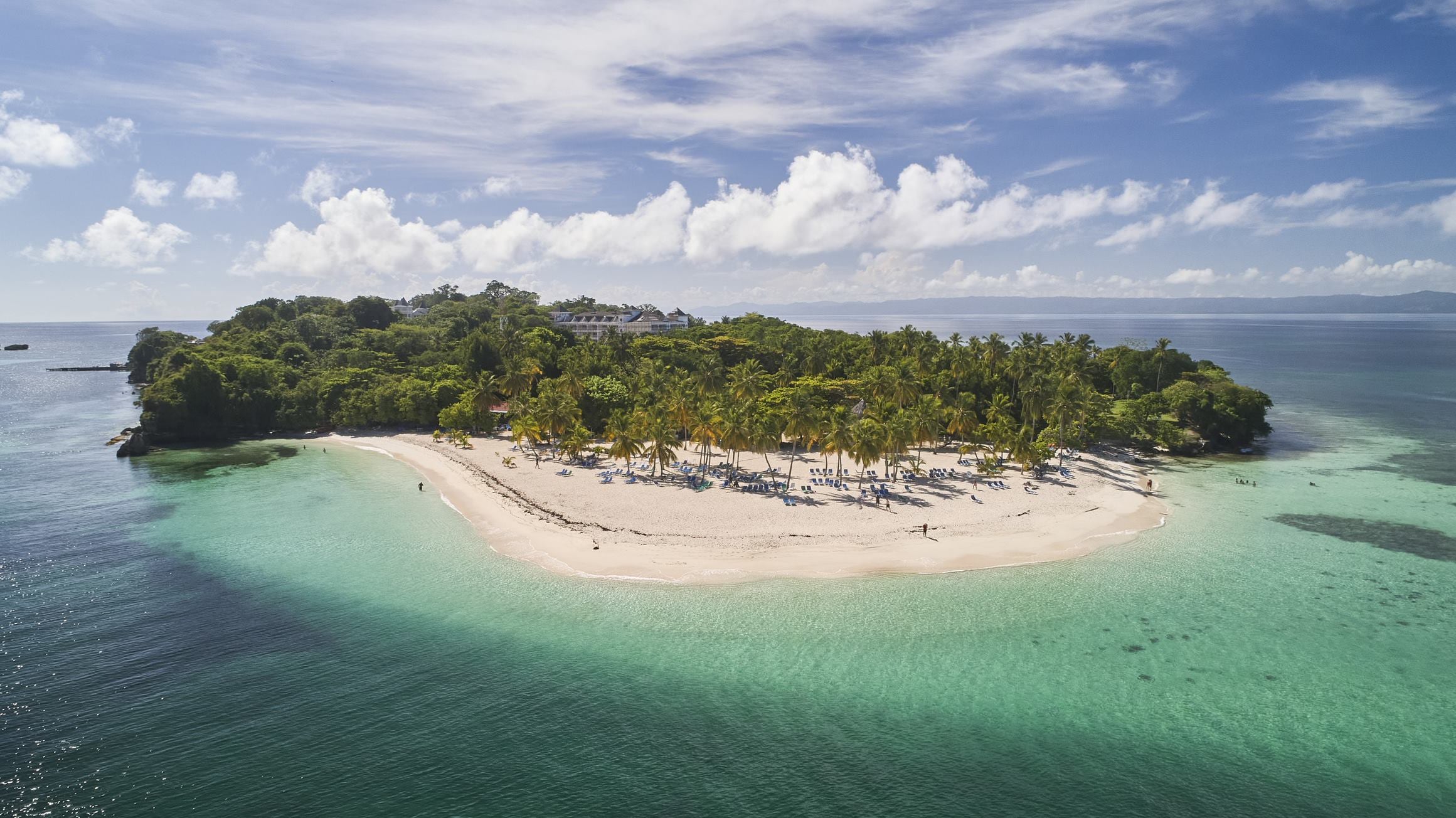
The Dominican Republic, located on the island of Hispaniola in the Caribbean, is a destination renowned for its beautiful beaches, rich history, and vibrant culture. As the most visited destination in the Caribbean, its importance in the tourism sector is immense, contributing significantly to the economy. In recent years, the nation has seen developments that enhance its appeal and ensure sustainability in the tourism industry, making it a key area of interest for travellers and investors alike.
Current Tourism Trends
In 2023, the Dominican Republic welcomed an estimated 7 million visitors, with tourism accounting for approximately 17% of the nation’s GDP. This growth is attributed to various factors, including improved infrastructure, increased airlift from major markets, and enhanced tourism offerings beyond traditional sun and sand experiences. The government has invested in promoting eco-tourism and heritage sites, attracting a diverse range of visitors.
Investment in Infrastructure
Significant investments have been made into road networks and airports to facilitate easier access to remote areas and promote internal tourism. The Punta Cana International Airport has established itself as a major hub, connecting the Dominican Republic with various international destinations. Additionally, hotels and resorts are increasingly adopting sustainable practices, appealing to eco-conscious travellers.
Rich Cultural Heritage
The Dominican Republic boasts a cultural heritage shaped by Indigenous Taino, European, and African influences, evident in its music, dance, and culinary arts. The annual celebration of Merengue and Bachata music festivals in cities like Santo Domingo not only showcases local talent but also strengthens community ties and promotes national pride.
Latest Developments
Recently, there has been a push towards diversifying the tourism offerings, with a focus on adventure tourism, gastronomic tours, and health and wellness retreats. The Dominican Republic’s Ministry of Tourism has launched campaigns that highlight the different facets of the country, from the mountainous regions to historic sites like the Colonial Zone, a UNESCO World Heritage site.
Conclusion
The Dominican Republic stands at the forefront of Caribbean tourism, with its blend of beautiful landscapes, rich culture, and ongoing developments enhancing its global profile. As the country continues to innovate in tourism, it is not only preserving its rich heritage but also paving the way for sustainable growth that can benefit future generations. For travellers seeking cultural immersion alongside adventure, the Dominican Republic remains a top destination worth exploring.