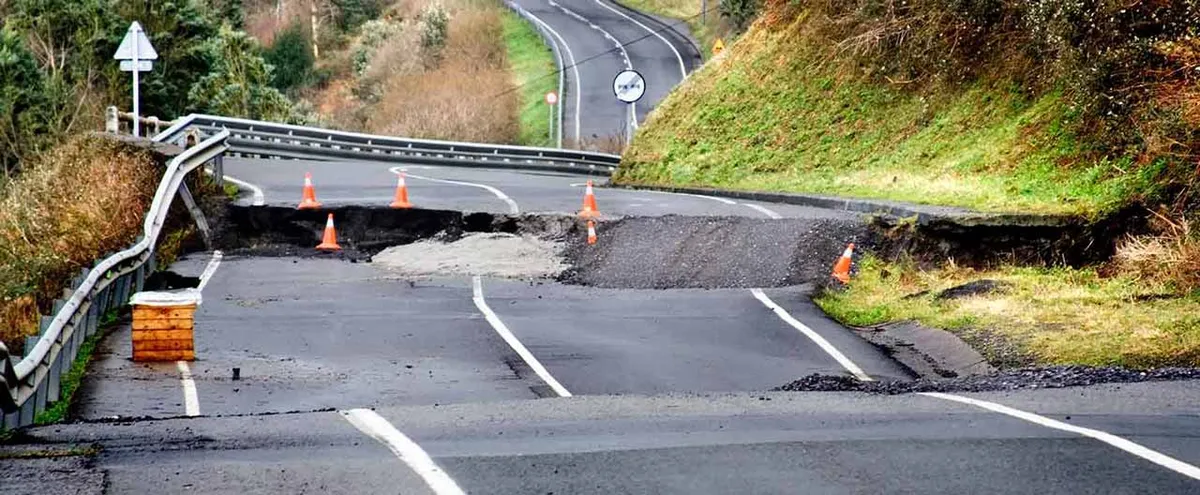
What does the recent earthquake in Sleepy Hollow, New York, signify for the region? On March 10, 2026, a magnitude 2.3 earthquake was reported at 10:17 a.m. Eastern Time, occurring 4.6 miles beneath the surface. Fortunately, no immediate damage has been reported in the area, although light shaking was felt throughout Westchester County.
This earthquake is part of a broader context of seismic activity in the region. Since 1950, there have only been 20 earthquakes of at least 2.3 magnitude recorded in this vicinity, indicating that such events are relatively rare. The geological stability of the area has led to a lower frequency of significant seismic events compared to other regions, such as Southcentral Alaska, which has experienced some of the largest earthquakes in history.
For instance, the 1964 M9.2 Great Alaska Earthquake remains the second-largest earthquake ever recorded worldwide. Other notable earthquakes in Alaska include the 2016 M7.1 Iniskin earthquake and the 2018 M7.1 Anchorage earthquake, both of which caused significant ground shaking and structural damage.
The geological factors contributing to these seismic events differ from those affecting Sleepy Hollow. The strongest earthquakes in Southcentral Alaska are generated by the megathrust fault between the Pacific and North American plates, a dynamic not present in the Sleepy Hollow area.
As the community assesses the impact of this recent earthquake, residents may wonder about the potential for future seismic activity. While no immediate threats have been identified, the history of earthquakes in the region suggests that vigilance is necessary.
Details remain unconfirmed regarding any aftershocks or further geological assessments that may follow this event. As local authorities and seismologists continue to monitor the situation, residents are encouraged to stay informed about earthquake preparedness and safety measures.