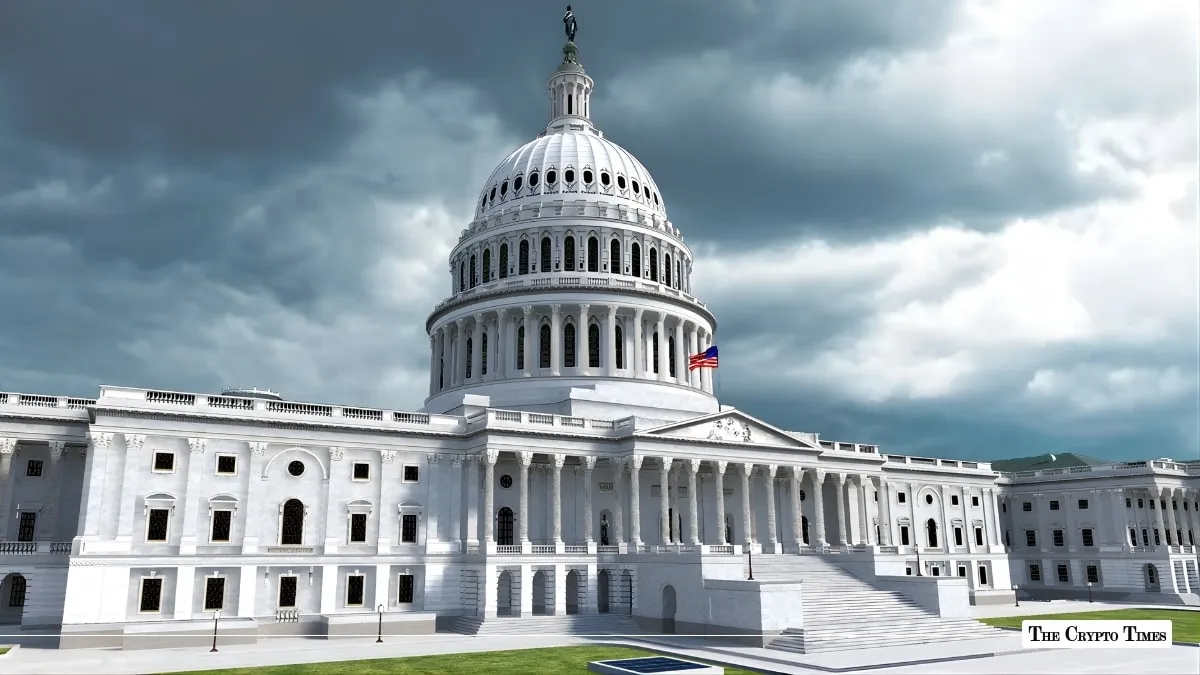
On March 27, 2026, Senator Elissa Slotkin introduced a significant piece of legislation in Washington, D.C., aimed at regulating prediction markets and preventing insider trading among government officials. This initiative comes in response to growing concerns about the ethical implications of public servants profiting from insider information.
The proposed bill, known as the Public Integrity in Financial Prediction Markets Act of 2026, seeks to prohibit federally elected officials, political appointees, and government employees from using insider information to gain financially from prediction markets. Slotkin emphasized, “Public service should never be a pathway to personal profit based on insider information.”
Recent data highlights the urgency of this legislation. Reports indicate that 150 bettors predicted U.S. military action against Iran, with at least 109 accounts on Polymarket earning a staggering $10,000 each. Alarmingly, six accounts collectively made $1.2 million during U.S.-Israeli strikes on Iran, raising eyebrows about the potential for insider trading in these markets.
The bill proposes penalties for violations, including fines of up to $500 or double the profit made on the bet. Additionally, officials would be required to report any bets valued at more than $250, ensuring transparency and accountability in prediction market activities.
Slotkin’s legislative effort is part of a broader movement to extend existing insider trading principles to prediction markets, which have gained visibility and size in recent years. Concerns about the ethical implications of such trading practices have been mounting, particularly in relation to military actions.
Senator Todd Young, a co-sponsor of the bill, stated, “No one should be profiting off the information and knowledge gained as a public servant, period.” This sentiment underscores the bipartisan support for the need to regulate these markets effectively.
Slotkin further remarked, “This bill is an important first step in placing common sense rules around prediction markets,” highlighting the necessity for legislative action in this evolving financial landscape.
As the bill moves forward, it will likely face scrutiny and debate in Congress, reflecting the complex dynamics of regulating financial markets while ensuring ethical governance. The introduction of this legislation marks a pivotal moment in the ongoing conversation about integrity in public service.