Introduction
The TV licence is a crucial component of the United Kingdom’s broadcasting landscape, acting as a funding model for the BBC and ensuring that the public service broadcasting continues to thrive. With the rise of digital streaming services and changes in viewing habits, understanding the implications and requirements surrounding the TV licence has never been more essential for UK residents. This article details the latest developments, regulations, and the significance of the TV licence.
What is a TV Licence?
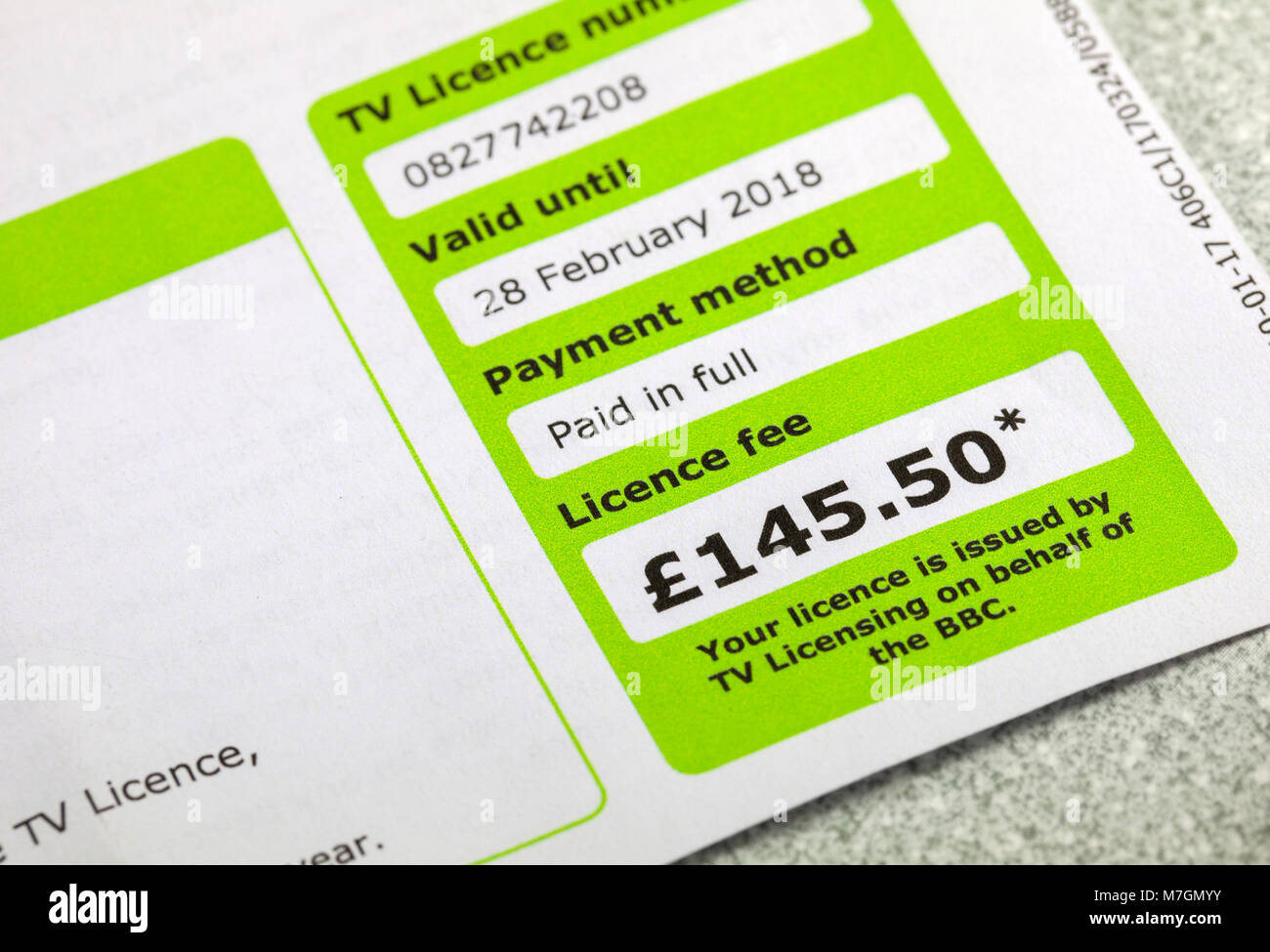
A TV licence is a legal requirement for anyone in the UK who watches or records live television broadcasts or uses the BBC iPlayer. The fee is currently set at £159 per year for a colour licence and £53.50 for a black and white licence. Failure to obtain a licence can result in substantial fines, highlighting the importance of compliance for many households.
Recent Changes and Enforcement
In 2023, the BBC announced that it would not seek to prosecute over 100,000 people in the upcoming year for licence fee evasion, a move aimed at prioritising changes to their enforcement methods. This shift reflects an acknowledgement of the evolving media consumption landscape and ongoing debates regarding the funding of public service broadcasting. Additionally, the government has been under pressure to re-evaluate the licence fee model, especially with the increasing popularity of Subscription Video on Demand (SVOD) services like Netflix and Amazon Prime.
Public Sentiment and Future Outlook
Public sentiment towards the TV licence has become increasingly divided. While some argue that it is essential for maintaining quality broadcasting, others contend that it is outdated in the era of on-demand content. A recent BBC survey indicated that only 56% of respondents believed the current model was fair, signalling potential challenges for the BBC’s funding in the coming years.
Consequences of Non-Compliance
As of October 2023, the BBC reported a notable increase in the number of fines issued for TV licence evasion, underscoring the continued enforcement of this legal requirement. Individuals are encouraged to double-check their circumstances; fees may also vary as exemptions apply to particular groups, including those aged over 75 or those with specific disabilities.
Conclusion
In summary, the TV licence remains a significant aspect of the UK broadcasting system, serving to fund the BBC and uphold public service broadcasting standards. As societal attitudes towards digital content evolve, the future of the licence fee remains uncertain. For viewers, understanding their obligations regarding a TV licence is paramount to avoid the risks of penalties. The ongoing discussions about its future are likely to shape the landscape of television viewing in the UK in the years to come.