Introduction
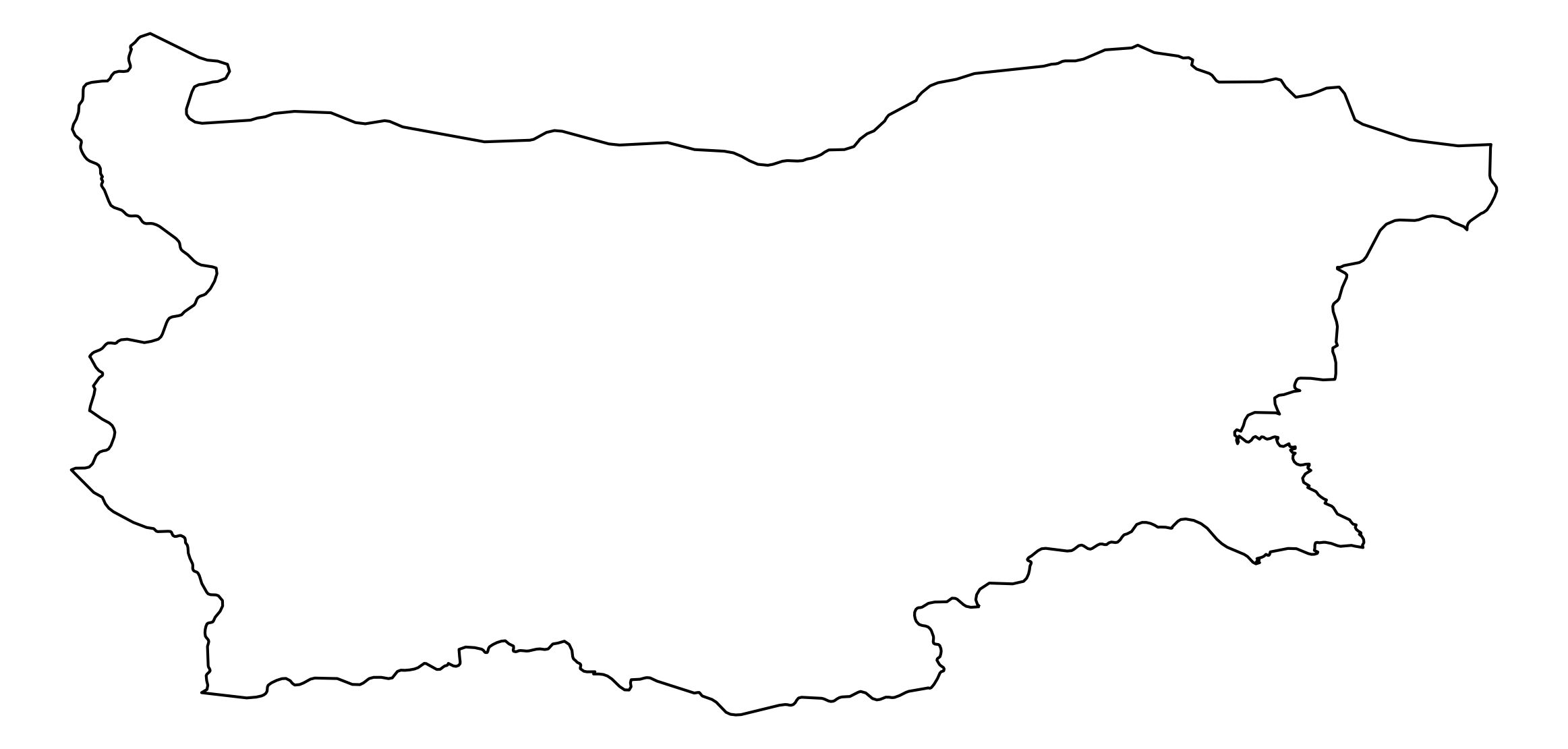
Bulgaria, a country nestled in Southeastern Europe, offers a rich tapestry of history, culture, and natural beauty. With its diverse landscapes, from the majestic peaks of the Balkans to the lush Black Sea coastline, Bulgaria holds significant relevance as a travel destination and a cultural melting pot. As European interest in lesser-known tourist spots grows, Bulgaria stands out with its unique offerings.
Historical Significance
Bulgaria is one of the oldest states in Europe, with a history that dates back more than 1,300 years. Recognised as one of the early adoptive nations of Christianity, Bulgaria’s historical sites, such as the UNESCO-listed Rila Monastery and the ancient city of Plovdiv, showcase its rich cultural heritage. The Thracian tombs, another UNESCO site, highlight Bulgaria’s archaeological importance, attracting researchers and tourists alike.
Naturally Beautiful Landscapes
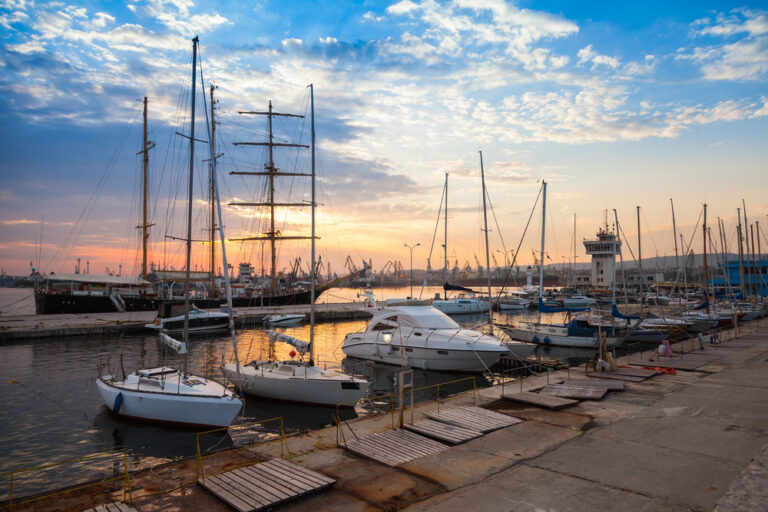
The natural beauty of Bulgaria is a significant draw for visitors. The country is home to several national parks, such as Pirin and Rila, providing habitats for diverse flora and fauna. The Balkan Mountains and the Rhodope Mountains further enhance the landscape, attracting hiking enthusiasts and nature lovers. Moreover, Bulgaria’s Black Sea coast features some of the continent’s finest beaches, from lively resorts to quieter hideaways.
Cultural Richness and Festivals
The cultural richness of Bulgaria is vividly presented through its traditional music, dance, and festivals. Events such as the annual Kazanlak Rose Festival and the Nestinarstvo fire-dancing ritual reflect the country’s vibrant traditions. Bulgaria’s folklore and unique culinary offerings, including dishes like banitsa and shopska salad, are also key components of its cultural identity. These traditions not only foster a sense of community but also promote tourism as people seek authentic experiences in their travels.
Current Events and Future Outlook
As of late 2023, Bulgaria is actively promoting itself as a destination for both cultural tourism and wellness retreats, especially post-pandemic. The country’s thermal spas and mineral springs attract health-conscious travellers from around the globe. Investment in infrastructure and sustainable tourism initiatives is helping Bulgaria become more accessible, making it a competitive player on the European travel scene. Experts predict that with continued investment and promotion, Bulgaria will see a further increase in international visitors over the next several years.
Conclusion
Bulgaria’s combination of historical depth, stunning natural landscapes, and vibrant culture makes it a remarkable destination in Europe. Its ongoing commitment to preserving cultural heritage while promoting tourism positions Bulgaria as a country of significance for travellers seeking new experiences. As awareness grows regarding its charm, Bulgaria is set for an exciting future on the tourism map.