Introduction
Calabria, located in the southernmost part of Italy, is a region often overlooked by tourists in favour of more popular destinations like Rome or Venice. Yet, this enchanting area boasts breathtaking landscapes, rich history, and a vibrant culture that make it a hidden gem worth exploring. As the birthplace of the ‘ndrangheta’, a notorious mafia group, Calabria’s socio-economic challenges often distract from its natural beauty and local traditions.
The Allure of Calabria
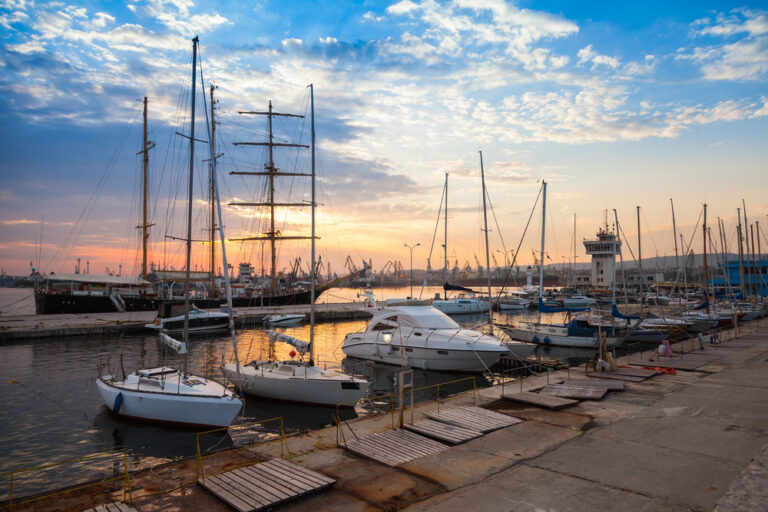
Calabria is characterised by its stunning coastline along the Tyrrhenian and Ionian Seas. The region is home to the Aspromonte National Park, featuring rugged mountains, deep gorges, and lush vegetation, providing ample opportunities for hiking and outdoor activities. The picturesque beaches such as Tropea and Capo Vaticano are renowned for their crystal-clear waters and dazzling cliffs, attracting both local and international visitors.
Historically, Calabria has been influenced by various cultures including Greek, Roman, and Byzantine. This rich tapestry of history is evident in its ancient ruins, churches, and towns. The town of Reggio Calabria, for instance, is famous for its archaeological museum that houses the Riace Bronzes, two magnificent Greek statues dating back to the 5th century BC. Similarly, the hilltop town of Gerace showcases a stunning Norman castle and beautiful medieval architecture.
Economy and Agriculture
The Calabria region’s economy has traditionally revolved around agriculture. Known for its production of olives, citrus fruits, and capers, Calabria’s agricultural sector is crucial in sustaining the local population. While Calabria faces economic challenges, such as high unemployment rates and emigration, there are ongoing efforts to promote local products through initiatives like the Slow Food movement, which emphasises the importance of traditional and sustainable farming practices.
Tourism Renaissance
In recent years, Calabria has been working to position itself as a prime tourist destination. With a focus on ecotourism and cultural tourism, the region is increasingly attracting visitors looking for authentic experiences away from crowded tourist traps. Regional festivals, local craftsmanship, and diverse culinary offerings give visitors a taste of Calabrian hospitality.
Conclusion
Calabria remains one of Italy’s best-kept secrets, offering stunning natural beauty, rich history, and a resilient culture. As the region continues to develop its tourism sector, it has the potential to become a sought-after destination for those wishing to explore the authentic side of Italy. For readers considering their next European getaway, Calabria presents an alluring option filled with opportunities for adventure, relaxation, and cultural immersion.