Introduction
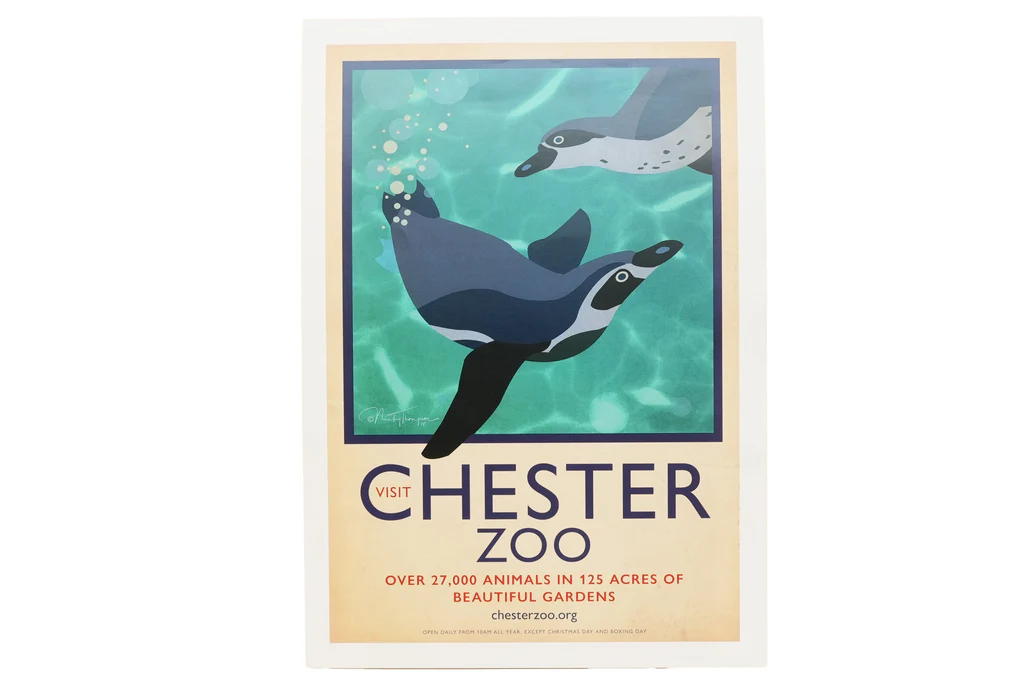
Chester Zoo, located in Chester, England, is one of the UK’s most popular attractions and a leader in wildlife conservation. Since its founding in 1931, the zoo has grown to encompass over 125 acres, housing more than 35,000 animals across 500 species. The importance of Chester Zoo extends beyond entertainment; it serves as a crucial platform for education and conservation efforts, aiming to protect endangered species and promote awareness about environmental issues.
Recent Developments and Initiatives
In 2023, Chester Zoo announced significant expansions to its facilities, including the opening of a new habitat that replicates the natural environments of the Indonesian rainforest, home to endangered species such as Sumatran orangutans and Sumatran tigers. This investment highlights the zoo’s commitment to providing a spacious, enriching environment for its animals, while also educating visitors about the threats faced by wildlife in the wild.
Moreover, the zoo continues its active involvement in global conservation projects. Recently, Chester Zoo played a pivotal role in the European Endangered Species Programme, which aims to safeguard genetically vital populations of endangered species. The zoo’s efforts have been instrumental in breeding programs that have successfully reintroduced species back into their natural habitats.
Visitor Experience and Educational Outreach
Chester Zoo attracts over 2 million visitors every year, making it a vital player in UK tourism. The zoo offers an array of educational programs designed for schools and families. Interactive talks and feeding sessions allow visitors to engage with animals and learn about their behaviours and habitats. With the introduction of augmented reality features and informative displays, the zoo is enhancing the visitor experience by making learning accessible and enjoyable.
In line with current trends, Chester Zoo has also ramped up its commitment to sustainability by reducing plastic waste within its premises. Initiatives such as banning single-use plastics and implementing recycling programs have garnered praise from environmentalists and visitors alike.
Conclusion
Chester Zoo exemplifies the role modern zoos play in conservation and education. As it continues to expand and innovate, the zoo not only enhances visitor experiences but also makes significant contributions to wildlife preservation efforts around the globe. As Chester Zoo celebrates its achievements, it sets an ambitious agenda for the future, aiming to actively participate in global discussions about animal welfare and biodiversity. For both residents and visitors, Chester Zoo remains not just a place to observe wildlife but a vital entity for meaningful environmental engagement.