Introduction
Doha, the capital city of Qatar, has emerged as a prominent cultural and economic hub in the Middle East. With its rapid development over the past few decades, Doha is not only known for its futuristic skyline but also for its deep-rooted traditions and hospitable culture. Understanding Doha is important for appreciating the broader changes occurring in the Gulf region, particularly with Qatar hosting the FIFA World Cup in 2022, which has accelerated its global prominence.
Modern Developments and Events
In recent years, Doha has undergone significant transformations, becoming a city characterised by world-class architecture, luxury shopping, and an impressive array of cultural institutions. The construction of the Museum of Islamic Art, designed by renowned architect I.M. Pei, showcases Qatar’s dedication to preserving its cultural heritage while embracing modernity. Additionally, the National Museum of Qatar, which opened in March 2019, offers insights into the nation’s history and evolution, featuring innovative and interactive exhibitions.
Sports events have also played a crucial role in reshaping Doha’s global image. The city has successfully hosted numerous international sports events, culminating in the FIFA World Cup, the first in the Middle East. With state-of-the-art stadiums and a commitment to sustainability, Doha’s World Cup preparations involved extensive infrastructural investments that will benefit residents and visitors long after the event is over.
Cultural Diversity and Gastronomy
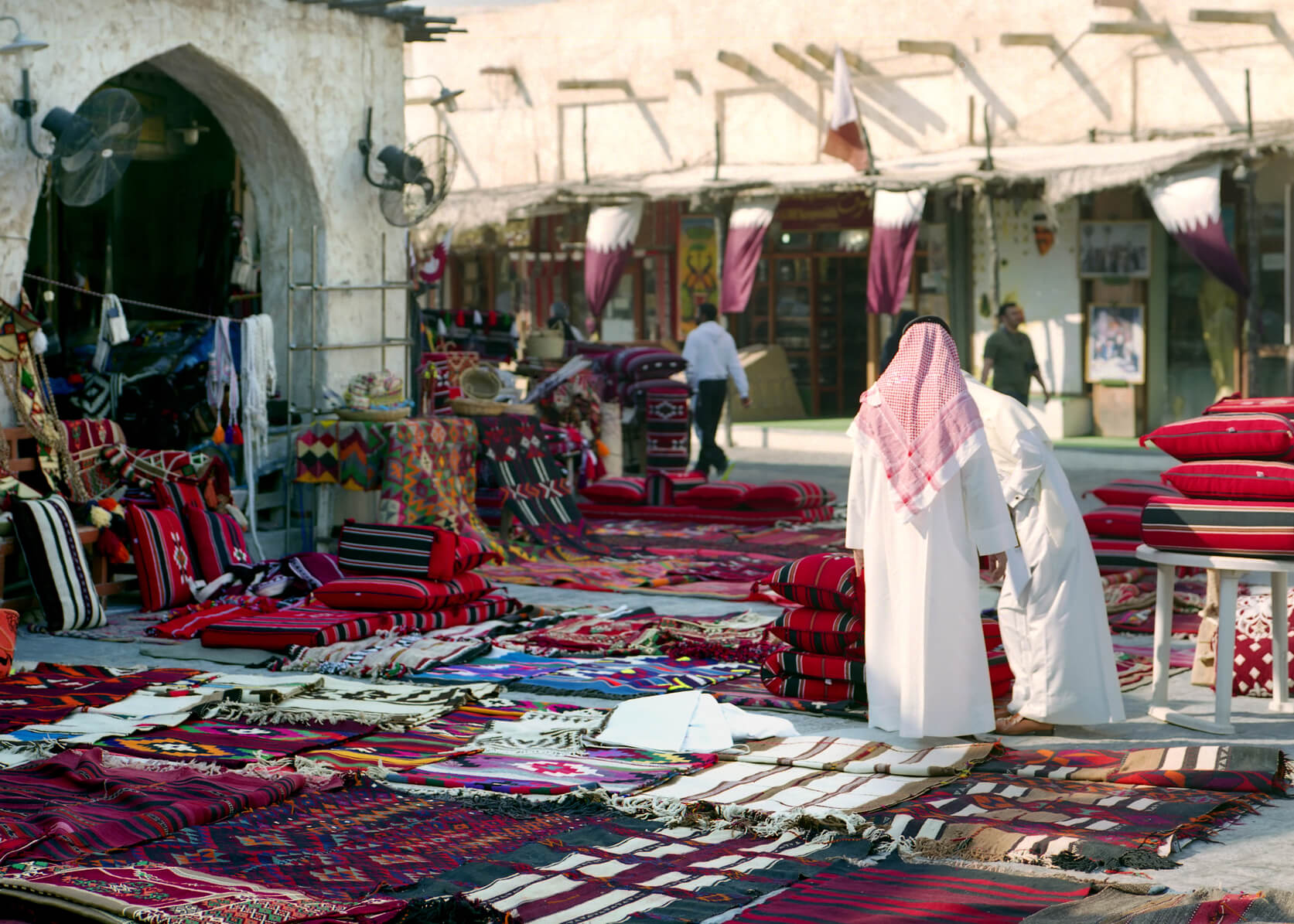
Doha’s culture reflects a rich tapestry of influences from around the world, making it a fascinating destination for tourists and expatriates alike. The city is home to a diverse population, consisting of Qataris alongside expatriates from Asia, Europe, and Africa. This diversity is exemplified in the culinary scene, where traditional Qatari dishes like Machboos are available alongside international cuisines. The annual Doha Food Festival highlights this eclectic mix, attracting participants and visitors from across the globe.
Conclusion
As Doha continues to develop, it becomes increasingly significant not only in the Middle Eastern context but on a global scale. The city’s commitment to cultural preservation alongside rapid modernisation provides a unique perspective on the interplay between tradition and progress. For readers and potential visitors, understanding Doha’s evolution offers insights into its potential future as a leading international destination for culture, sports, and hospitality.