The Significance of Fat Thursday
Fat Thursday, known as ‘Tłusty Czwartek’ in Polish, marks the last Thursday before Lent begins and is celebrated across Poland with great enthusiasm. This day holds significance as it allows individuals to indulge in sweet treats before the fasting period of Lent kicks in, making it a pivotal cultural event.
Traditions and Treats
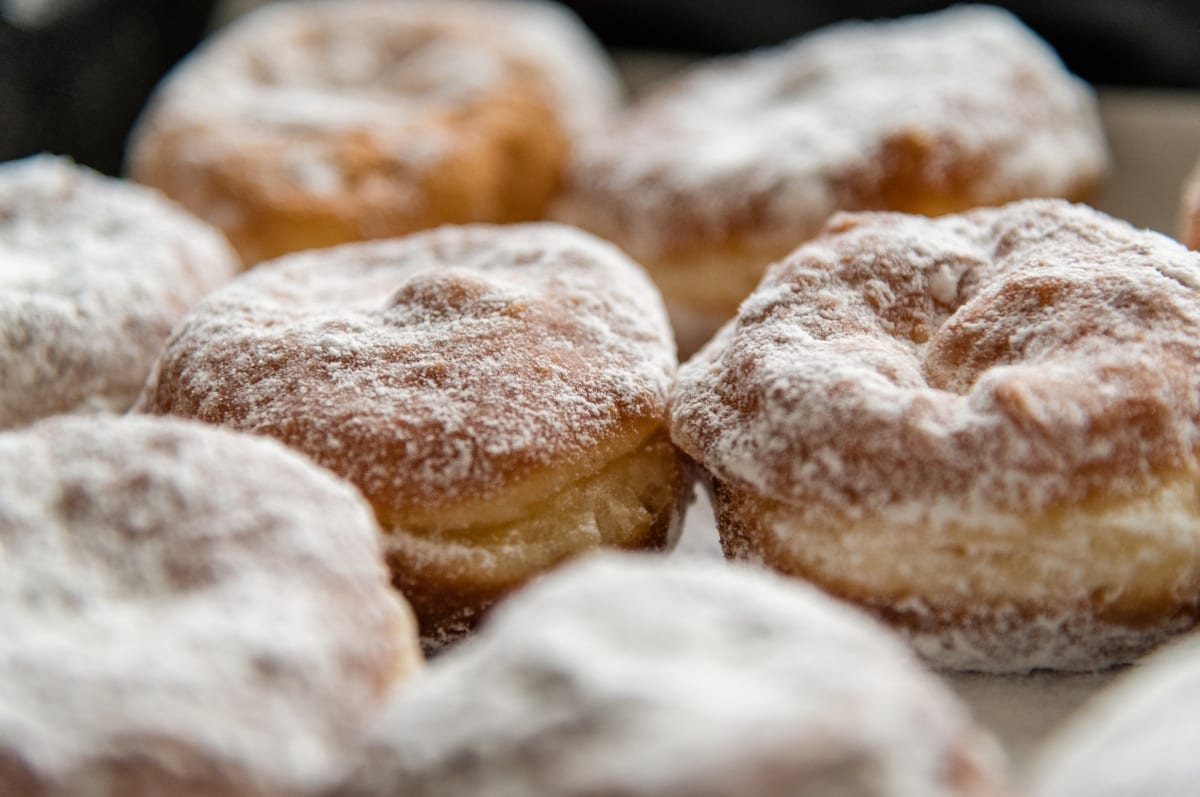
One of the most enjoyable traditions linked with Fat Thursday is the consumption of pączki, which are deep-fried doughnuts filled with jam or other sweet fillings, often topped with icing or powdered sugar. Bakeries across Poland prepare vast quantities of these delicacies, with estimates suggesting that around 20 million pączki are consumed nationwide each year on this festive day.
Many families also enjoy other sweets such as faworki, crispy thin pastries that are similarly popular during this time. The celebratory spirit of Fat Thursday is palpable, as people flock to bakeries to queue for their favourite pastries, leading to long lines and a vibrant, festive atmosphere.
Modern-Day Observances
In recent years, Fat Thursday has gained more prominence, with many cities hosting events and festivals that celebrate Polish cuisine and culture. Social media plays a crucial role, with many people sharing their pączki experiences online, contributing to the day’s popularity. Bakeries utilise this hype by promoting special offers and new flavours, catering to a growing interest in diverse culinary experiences among the Polish population and tourists alike.
Conclusion
Fat Thursday in Poland is not just a gastronomical event; it represents an important cultural tradition that brings communities together. As this celebration continues to grow, it underscores the importance of food in Polish culture and the joy it brings during festive times. As the next Fat Thursday approaches, one can expect an influx of delicious pastries and a delightful atmosphere, making it a time of enjoyment before the sober days of Lent. For readers, this is an invitation to partake in a unique cultural experience, whether through indulging in traditional sweets or engaging with local Polish communities.