Introduction
Forest Green Rovers (FGR), based in Gloucestershire, England, is making headlines as the world’s greenest football club. Recognised by FIFA, the club has garnered attention not only for its achievements on the pitch but also for its commitment to sustainability. In an era where climate change is a pressing concern, FGR serves as a model for how sports organisations can adopt environmentally-friendly practices.
Commitment to Sustainability
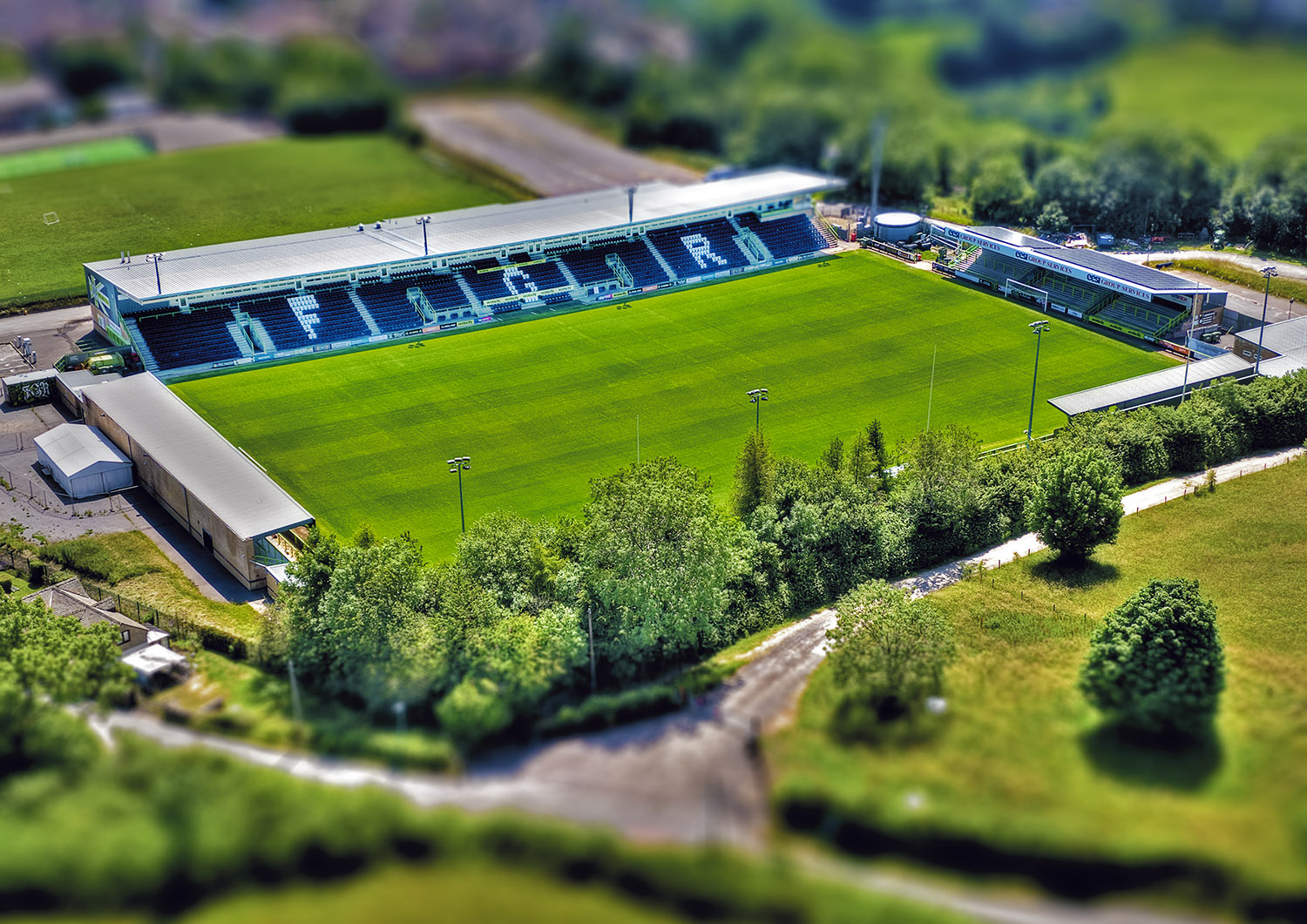
Founded in 1889, Forest Green Rovers has integrated eco-friendly initiatives into every aspect of its operations. The club’s owner, Dale Vince, a successful entrepreneur and environmental advocate, has driven a vision of sustainability since acquiring the team in 2010. Under his leadership, FGR has eliminated red meat from its menu, offering only vegan food at its New Lawn Stadium, which has won numerous awards for its green architecture.
In addition to a plant-based menu, FGR has harnessed renewable energy sources, including solar panels and electric vehicle charging points. The club’s dedication to reducing its carbon footprint extends to its travel policies, opting for electric coaches for away games and encouraging fans to use bicycles to reach the stadium. These initiatives exemplify how FGR prioritises ecological considerations alongside athleticism.
Recent Achievements
This season, Forest Green Rovers continues to compete in the EFL League Two, demonstrating that sustainable football can achieve high performance. The club’s innovative practices have not only drawn media attention but also inspired fans and other teams to embrace greener initiatives. The Rovers have established partnerships with environmental organisations, further solidifying their role as advocates for the climate.
Future Implications
Looking ahead, the impact of Forest Green Rovers extends beyond football. As climate issues intensify globally, the club’s success serves as a compelling example of how sports can pivot towards sustainability. With upcoming plans to develop even greener facilities and expand community engagement efforts, FGR’s influence could pave the way for other clubs to follow suit.
Conclusion
In conclusion, Forest Green Rovers stands out not only for its commitment to football excellence but also as a leader in environmental stewardship within the sports industry. By prioritising sustainability, the club demonstrates that it is possible to achieve success while being mindful of the planet. As more organisations observe FGR’s model, it is hopeful that the influence of this green revolution in sports will create significant, positive change in various sectors.