Introduction
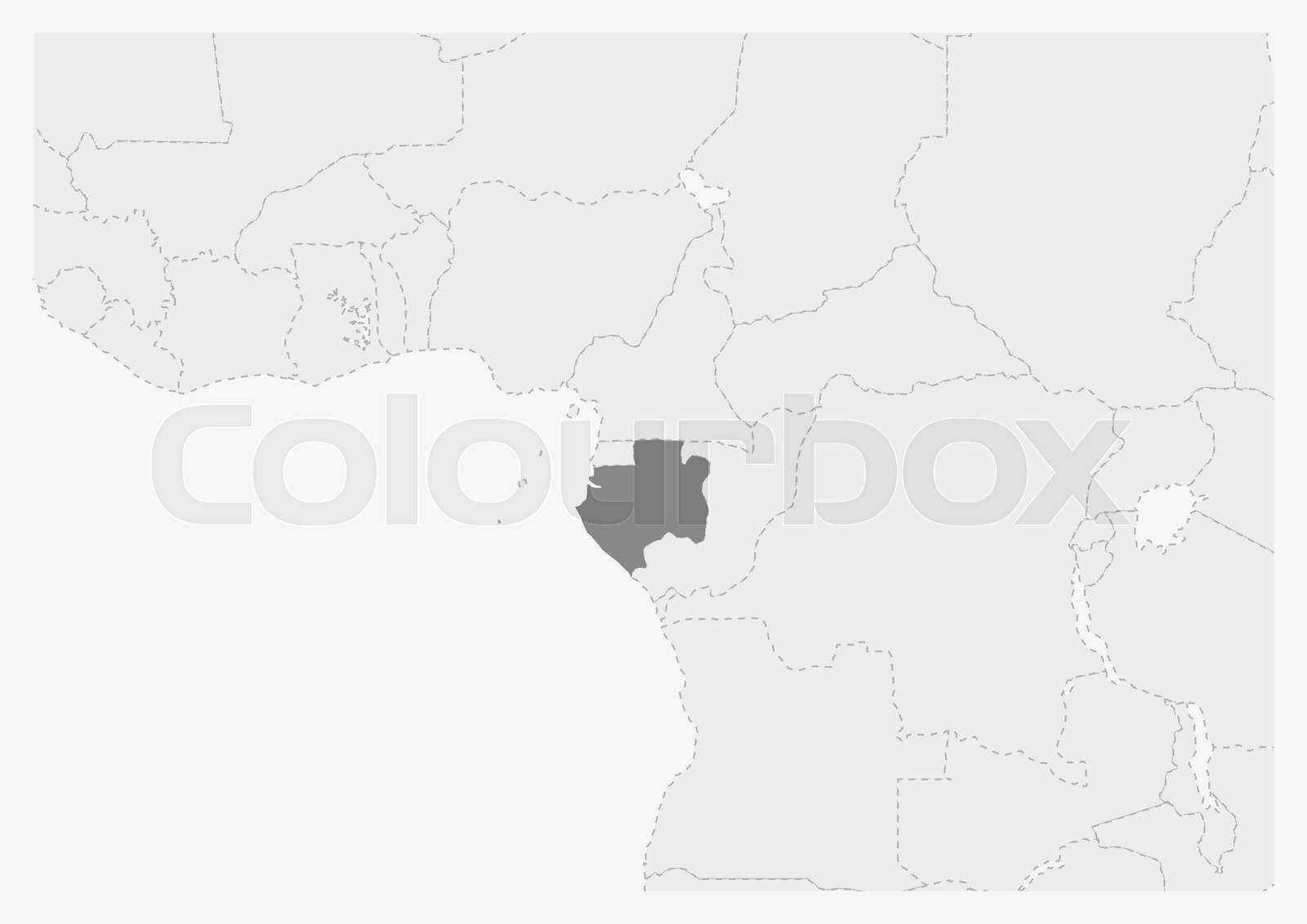
Gabon, a nation located on the west coast of Central Africa, is often overshadowed by its larger neighbours. However, this small yet diverse country plays a crucial role in the ecological balance of the continent, boasting one of the highest percentages of protected rainforests in the world. The importance of Gabon lies not only in its rich biodiversity but also in its vibrant culture, making it a significant point of interest in Africa.
Cultural Heritage
The cultural landscape of Gabon is as diverse as its ecological systems. With over 40 different ethnic groups, including the Fang, Myene, and Punu, Gabon offers a rich tapestry of traditions, languages, and customs. The capital city, Libreville, serves as a melting pot of these cultures, with cultural festivals that highlight traditional music, dance, and art. The annual Gabonese Festival of Arts and Culture showcases works from local artists and performers, emphasising the country’s rich cultural heritage.
Natural Wonders
Geographically, Gabon stands out due to its extensive rainforests, which cover approximately 85% of the country. The Lope National Park, a UNESCO World Heritage site, is a prime example, home to diverse wildlife including gorillas, elephants, and a myriad of bird species. Gabon is also noteworthy for its commitment to conservation; around 13 national parks were established to protect its unique ecosystems as part of the government’s strategy to safeguard its natural resources. Recent initiatives, supported by international organisations, aim to bolster ecotourism, enhancing awareness of Gabon’s environmental significance.
Current Events and Developments
In recent months, Gabon has attracted international attention due to its efforts in combatting deforestation, with the government pledging to reduce its carbon footprint in light of global climate concerns. A conference held in Libreville highlighted partnerships with foreign nations and NGOs aimed at strengthening environmental protection. Additionally, Gabon has entered the international tourism market, promoting its national parks and wildlife to attract eco-conscious travellers.
Conclusion
The significance of Gabon extends far beyond its geographical boundaries, making it a remarkable case study in sustainability and cultural richness. As the world increasingly turns its focus towards environmental issues, Gabon’s proactive measures in conservation and tourism present a model for other nations. Readers interested in biodiversity, conservation, and African cultures will find that Gabon is a country worthy of exploration and appreciation, both for its natural beauty and its vibrant society.