Introduction
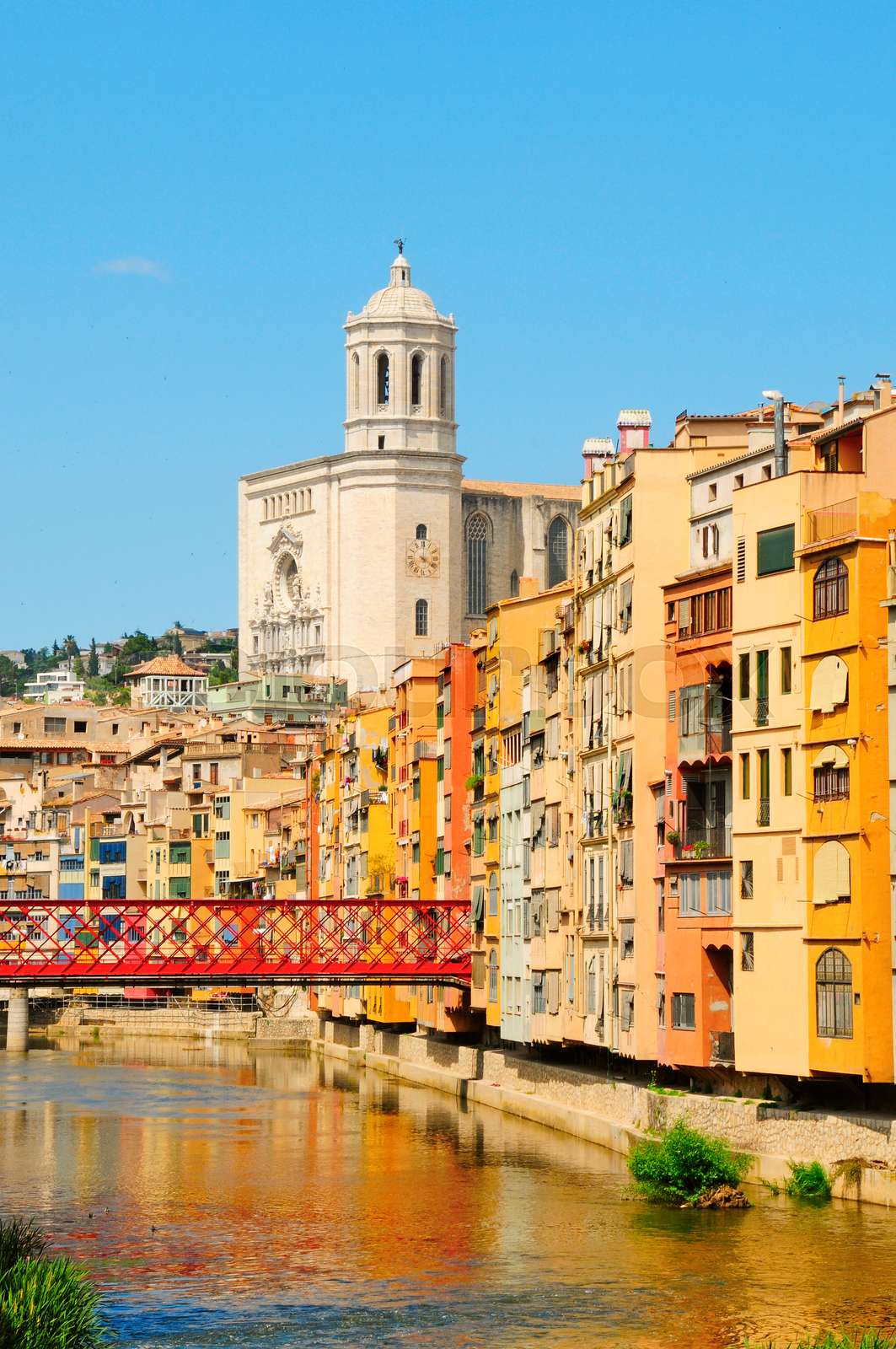
Girona, located in northeastern Spain, is a city steeped in history and culture. As the capital of the province of the same name, it serves as a critical cultural and economic hub in Catalonia. With its stunning medieval architecture, rich Jewish heritage, and picturesque riverside scenery, Girona offers a unique glimpse into Spain’s diverse heritage. Its significance has only grown in recent years as tourists increasingly seek out destinations that combine historical significance with modern vibrancy.
Historical Significance
Girona’s history dates back over 2,000 years, having been established by the Romans around 77 BC. The city has a wealth of historical sites, including the impressive Girona Cathedral, known for its wide Gothic nave, and the ancient Jewish quarter, El Call, which is one of the best-preserved in Europe. The city is also famous for its well-preserved city walls, which date back to the 3rd century and provide an excellent vantage point to view the scenic surroundings.
Modern Appeal
In recent years, Girona has blossomed as a culinary destination, home to several Michelin-starred restaurants. The renowned chef, Ferran Adrià, who is often regarded as one of the best chefs in the world, has his roots in the region, further elevating Girona’s status in the gastronomic community. Visitors can enjoy a thriving food scene, characteristic of Catalonia, that includes everything from traditional tapas to innovative modern cuisine.
Cultural Events and Festivals
Girona’s cultural landscape is bustling with events throughout the year, such as the famous Temporada de Flors (Flower Festival), where the city is transformed with stunning floral displays during the spring. The festival attracts locals and tourists alike, showcasing the community’s creativity and love for nature. Additionally, the annual Girona History Festival celebrates the city’s past through guided tours, exhibitions, and performances that breathe life into the region’s history.
Conclusion
Girona represents a perfect blend of historical depth and modern vibrancy, making it an essential destination for anyone traveling to Catalonia. As tourism continues to grow, the city maintains its charm, attracting visitors eager to explore its winding streets, rich traditions, and exquisite gastronomy. With its relatively close proximity to major cities like Barcelona, Girona is an accessible yet serene alternative for those looking to delve deeper into Catalonia’s culture. As the city strives to preserve its heritage while embracing modernity, it stands as a testament to the enduring allure of Spain’s regional treasures.