The Importance of North Macedonia
North Macedonia, located in Southeast Europe on the Balkan Peninsula, holds a pivotal position both geographically and historically. It has been a crossroads of various cultures and empires throughout history, contributing to its rich cultural tapestry and significant political role in the region. Understanding North Macedonia is essential for anyone interested in European history, current geopolitics, and the future of the Balkan region.
Historical Context
North Macedonia’s history is marked by its strategic location. Ancient settlements in the region date back to the late Stone Age, with notable influences from the Roman, Byzantine, and Ottoman empires. In the modern era, North Macedonia gained independence from Yugoslavia in 1991. However, the country faced numerous challenges, including a prolonged name dispute with Greece that concluded with the Prespa Agreement in 2018, allowing it to officially change its name from the former Yugoslav Republic of Macedonia to North Macedonia.
Recent Developments
In recent years, North Macedonia has made significant strides towards European integration. The country officially became a candidate for European Union membership in 2005 and has been working diligently to meet the necessary criteria. In June 2022, North Macedonia began EU accession talks, marking a significant step towards full membership. This development has created optimism within the nation, with hopes that membership will bring economic growth and stability.
Economic Landscape
North Macedonia’s economy has been on an upward trajectory. The country has focused on attracting foreign investment, particularly in sectors such as manufacturing and information technology. In 2023, reports indicated an increase in GDP growth, driven by exports and remittances from the diaspora. Furthermore, the government’s efforts to improve infrastructure and digital transformation are expected to bolster economic development significantly.
Cultural Heritage
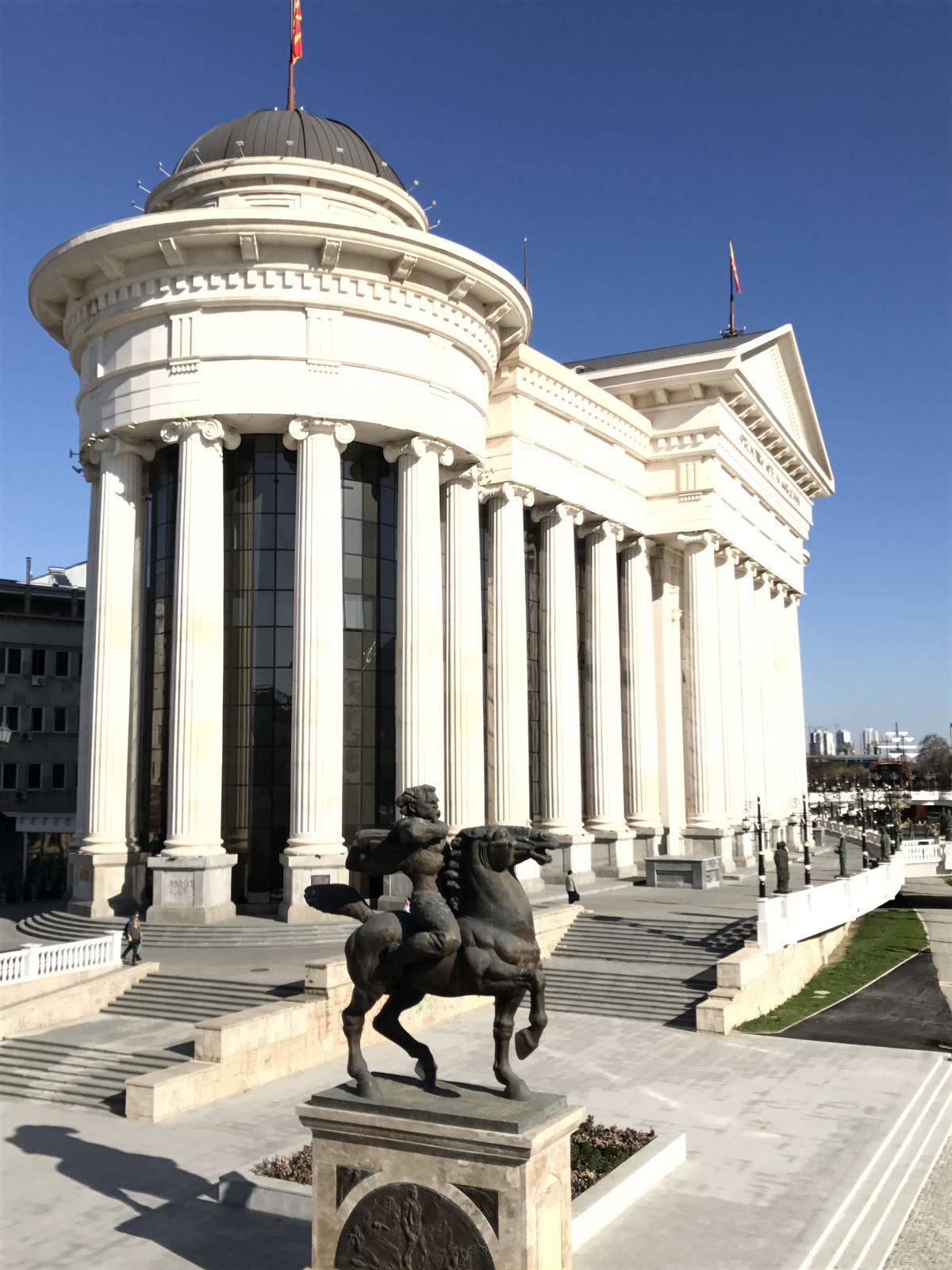
The diverse cultural heritage of North Macedonia is reflected in its architecture, cuisine, and traditions. The capital city, Skopje, boasts a blend of Ottoman-era and modern structures, while ancient cities like Ohrid, a UNESCO World Heritage site, offer a glimpse into the country’s storied past. Festivals celebrating folk music, dance, and crafts are pivotal to preserving these traditions, drawing tourists and fostering national pride.
Conclusion
The journey of North Macedonia is a testament to the resilience of its people and their aspirations for a brighter future. As the country navigates its path towards EU integration, the ongoing commitment to reform and development will remain crucial. For those following European affairs, North Macedonia represents not only a fascinating cultural landscape but also a country poised for significant transformation in the coming years.