Introduction
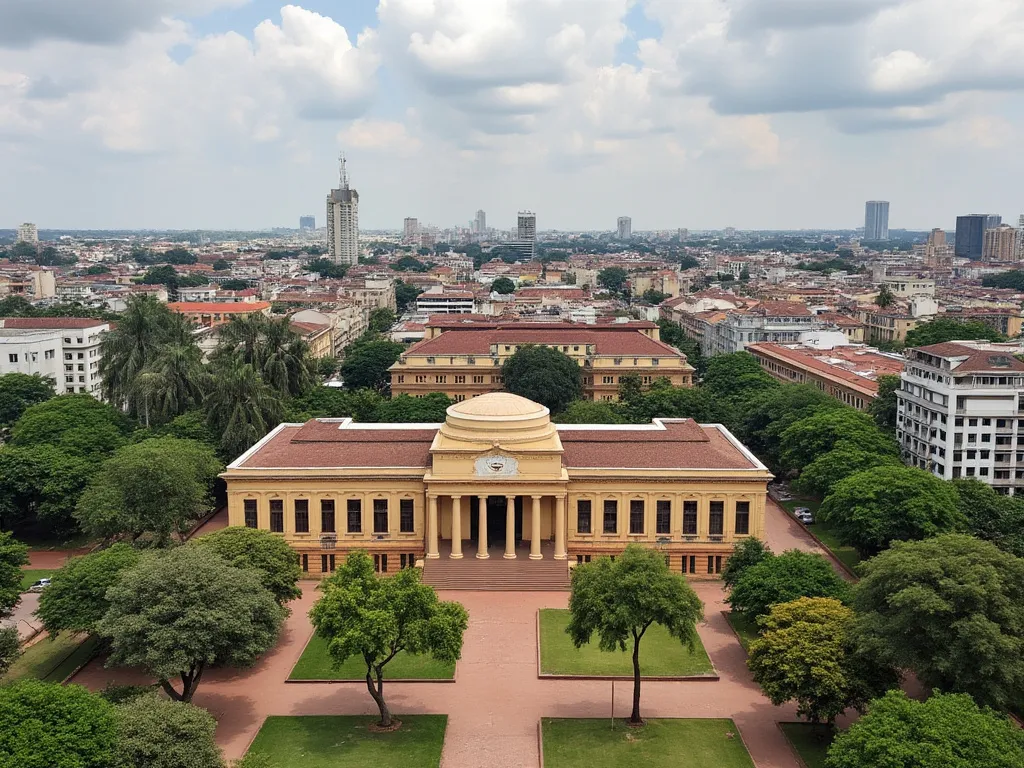
Ouagadougou, often referred to simply as “Ouaga”, is the capital city of Burkina Faso, a landlocked country in West Africa. As one of the fastest-growing urban centres in the region, Ouagadougou holds immense significance not only for its economic activities but also for its rich tapestry of culture and history. The city is a hub for political, educational, and cultural activities, making it an essential part of understanding Burkina Faso’s identity.
Historical and Cultural Significance
Founded in the early 15th century, Ouagadougou has a storied history that reflects the broader dynamics of West African societies. The city has traditionally served as the seat of the Mossi Kingdom and remains a cultural epicentre for the Mossi people, the largest ethnic group in Burkina Faso. The presence of various cultural festivals, such as the FESPACO film festival, showcases the city’s importance in promoting African cinema and culture on a global stage.
Recent Developments and Events
In recent years, Ouagadougou has experienced significant transformations, particularly in infrastructure and urban development. The city’s administration has been focusing on improving transportation and public services to accommodate its growing population, which is estimated to be around 2.5 million residents. Investments in education and healthcare services are crucial as the city integrates more rural migrants seeking opportunities in urban settings. Furthermore, the recent hosting of multiple international events has placed Ouagadougou firmly on the global map.
Challenges Faced
Despite its vibrant life, Ouagadougou faces numerous challenges, including unemployment, housing shortages, and security concerns exacerbated by regional conflicts. The city is increasingly aware of the need for multi-faceted strategies to improve living conditions while fostering economic growth. Community-led initiatives are emerging to address these issues, showing resilience among the residents.
Conclusion
Ouagadougou is at a pivotal moment as it balances tradition and modernity. As it continues to evolve, the city’s rich cultural heritage will play a vital role in shaping its future identity. For readers interested in African culture and urban development, Ouagadougou presents a fascinating case study of a growing city facing both opportunities and obstacles. As developments unfold, the globally interconnected nature of cities will spotlight Ouagadougou, further cementing its status as a promising destination in West Africa.