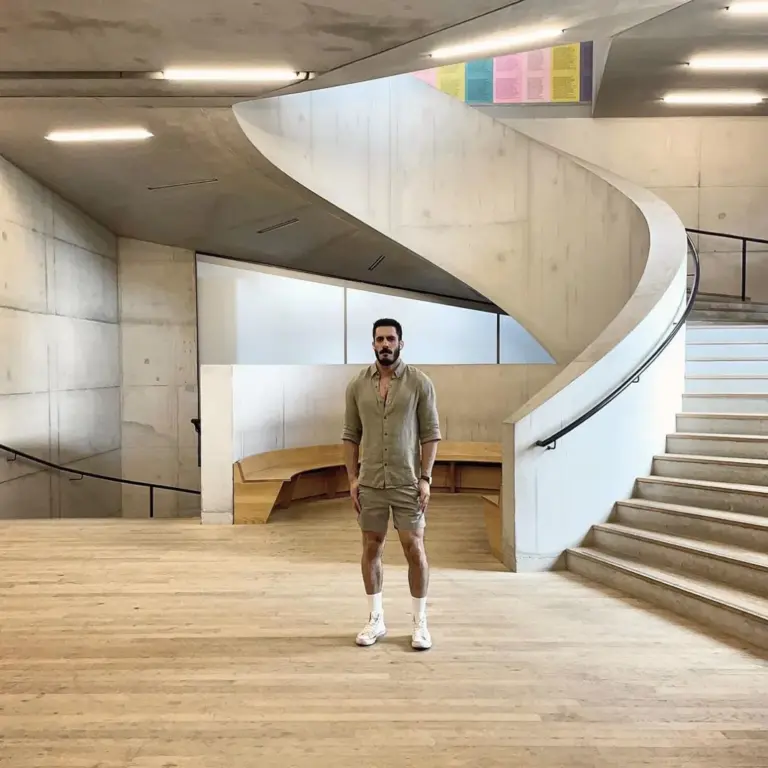
Introduction to Alexander Cashford
In recent years, the UK art scene has been enriched by the emergence of new and dazzling talents, one of whom is Alexander Cashford. Born in London, Cashford has been capturing the attention of art lovers and critics alike with his distinctive style and emotive storytelling through his pieces. As the art market evolves, understanding the relevance of contemporary artists like Cashford becomes essential for both collectors and enthusiasts.
The Rise of Cashford
Alexander Cashford graduated from the renowned Slade School of Fine Art, where he honed his skills and developed his unique artistic voice. Cashford’s work is heavily influenced by his experiences and observations of city life, drawing upon themes of human emotion, urbanism, and nature. His recent exhibition, Visions of Tomorrow, held at the White Cube gallery, showcased a series of paintings and installations that reflect his perspective on the contemporary world.
Cashford’s ability to blend traditional techniques with modern mediums has set him apart from his peers. His artworks often use vibrant colours and layered textures, creating a sense of depth that invites viewers to engage with the narrative embedded in each piece. Critical acclaim has followed, with notable art critics praising his ability to connect personal experience to broader societal issues.
Exhibitions and Public Reception
In addition to Visions of Tomorrow, Alexander Cashford has participated in various group exhibitions, extending his reach within the art community. He has collaborated with established artists and participated in diverse art fairs, further enhancing his visibility. Feedback from art enthusiasts has been overwhelmingly positive, with many praising his innovative use of space and the emotional intensity captured in his work.
Future Prospects
Looking ahead, Cashford aims to expand his artistic repertoire, exploring new themes and mediums that resonate with the ever-changing landscape of modern art. He plans to embark on a series of installations in public spaces, intending to foster community interaction and engagement with art. As art collectors continue to seek fresh voices, Cashford’s work is increasingly being seen as a valuable investment.
Conclusion
As we follow Alexander Cashford’s journey, it becomes clear that he represents the future of contemporary art in the UK. His dedication to exploring complex themes through captivating visuals not only speaks to individual experiences but also to collective societal narratives. For art lovers and collectors alike, paying attention to figures like Cashford will likely reveal both profound insights and potential opportunities in the dynamic art market.