Introduction
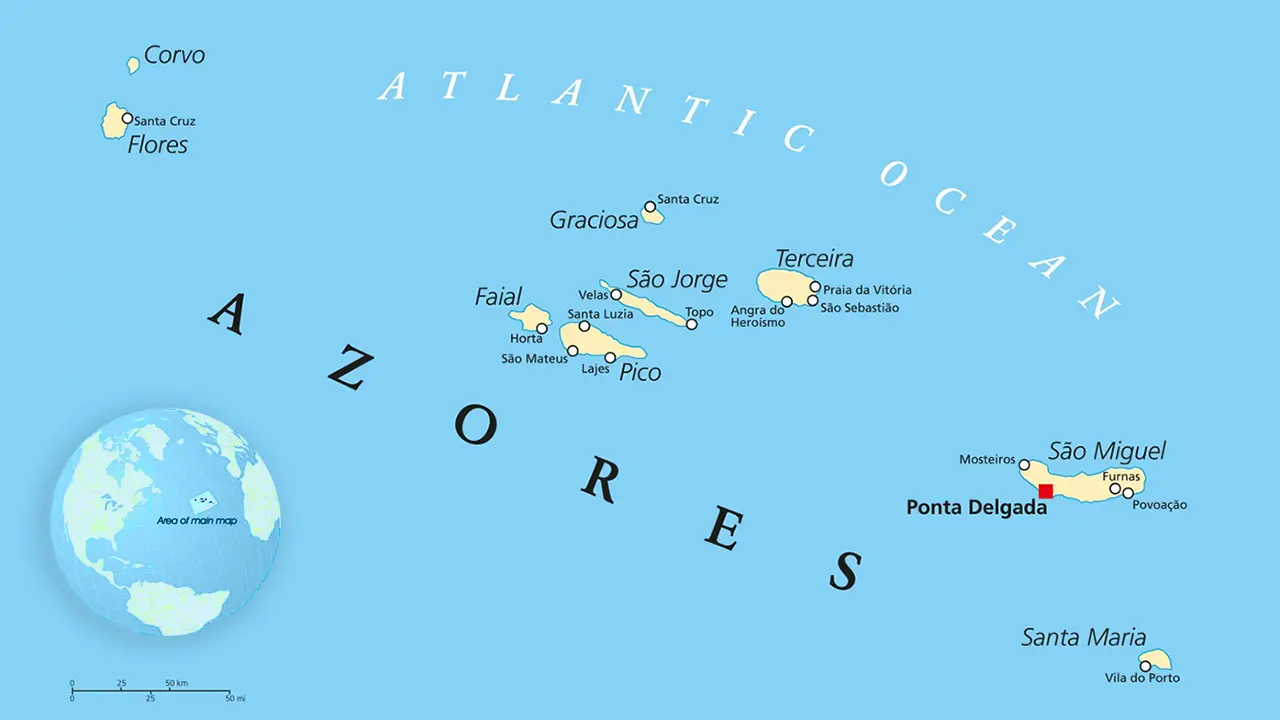
The Azores, a stunning archipelago situated in the North Atlantic Ocean, are an autonomous region of Portugal. Comprising nine volcanic islands, they are renowned for their breathtaking landscapes, rich biodiversity, and unique cultural heritage. As the world increasingly embraces eco-tourism and sustainable travel, the Azores have emerged as a top destination for travellers seeking natural beauty and authentic experiences.
Natural Attractions
The islands are home to numerous natural attractions, including lush green valleys, volcanic craters, and pristine lakes. One of the most famous locations is Sete Cidades, a picturesque crater lake on São Miguel Island that features stunning blue and green waters. Visitors can enjoy hiking along scenic trails, exploring the unique flora and fauna, or simply taking in the panoramic views.
Whale watching is another popular activity in the Azores, as these waters are home to a variety of whale species, including blue whales, humpbacks, and sperm whales. Tours operate throughout the year, making it possible for visitors to witness these majestic creatures in their natural habitat.
Cultural Significance
In addition to its natural attractions, the Azores boast a rich cultural tapestry shaped by various influences throughout history. Local festivals, such as the Holy Ghost Festival, reflect the islands’ deep-rooted traditions and offer visitors a chance to experience Azorean hospitality first-hand. The islands are also known for their cuisine, which is heavily influenced by local produce and seafood. Traditional dishes such as cozido das Furnas—a stew cooked in volcanic steam—are a must-try for food enthusiasts.
Sustainability Efforts
As the popularity of the Azores grows, so do efforts to preserve the stunning environment of the islands. The Azorean government has implemented various initiatives aimed at promoting sustainable tourism, including restrictions on development in environmentally sensitive areas. Visitors are encouraged to engage in responsible tourism practices, ensuring that they leave a minimal impact on the delicate ecosystems.
Conclusion
The Azores offer a unique blend of natural beauty, rich culture, and sustainability efforts that make them an ideal destination for eco-conscious travellers. As interest in the islands continues to rise, it is crucial for both visitors and locals to work together to maintain the pristine condition of this remarkable archipelago. With its breathtaking landscapes, diverse wildlife, and vibrant culture, the Azores are undoubtedly a hidden gem waiting to be explored.