Introduction to Cape Verde
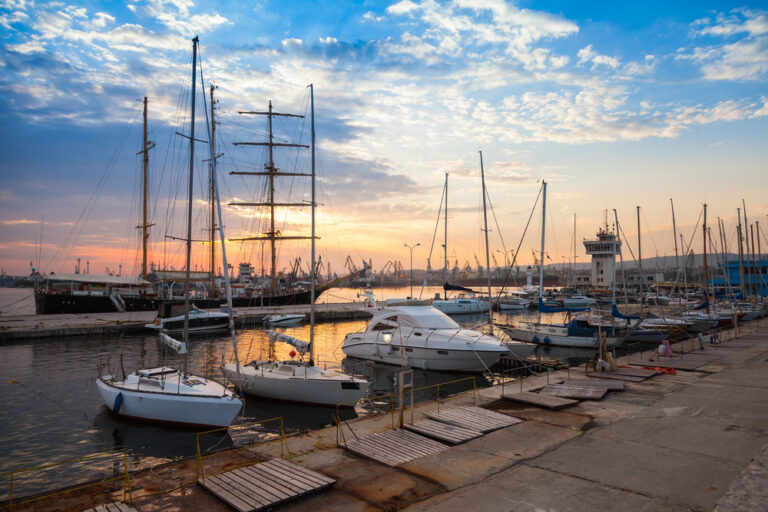
Cape Verde, an archipelago located off the northwest coast of Africa, is gaining recognition as a unique travel destination. Comprising ten volcanic islands, it offers diverse landscapes ranging from stunning beaches to mountainous terrains, making it a vital topic of discussion for those interested in travel, culture, and geography. With a rich history shaped by colonisation and an influx of cultures, Cape Verde has much to offer both tourists and those interested in global socio-economic trends.
The Islands and Their Significance
Cape Verde consists of ten major islands, each with its distinct character. Sal is renowned for its pristine beaches and is home to the island’s main airport, making it a popular entry point for tourists. Boa Vista, known for its beautiful landscapes and eco-tourism opportunities, attracts visitors looking for adventure. The capital city, Praia, located on the island of Santiago, is the economic and cultural hub of the archipelago, reflecting the rich Cape Verdean heritage.
Cultural Heritage and Music
The culture of Cape Verde is a vibrant blend of African, Portuguese, and Brazilian influences, which can be seen in its language, food, and music. The Creole language, known as Kriolu, is widely spoken, symbolizing the islands’ multicultural roots. Music plays a significant role in Cape Verdean culture, with genres like morna and coladeira echoing the emotional ties to the islands’ history and identity. Prominent musicians, such as Cesária Évora, have helped bring Cape Verde’s music to international audiences.
Tourism and Economic Development
Tourism is a vital component of Cape Verde’s economy, contributing significantly to its GDP and creating jobs. The islands have become increasingly popular among European tourists, particularly from Portugal and the UK. As travel to Cape Verde expands, the government is focused on sustainable tourism, aiming to preserve the natural environment and local culture while promoting economic growth. Accommodations and infrastructures are continually improving, making the islands more accessible to a broader range of visitors.
Conclusion: The Future of Cape Verde
The significance of Cape Verde extends beyond its beautiful scenery; it represents a melting pot of cultures and histories in a globalised world. As tourism continues to grow, it is essential for Cape Verde to balance economic development with environmental sustainability and cultural preservation. For potential visitors or professionals interested in global development, Cape Verde offers fascinating insights into the complexities of modernisation and heritage. The islands promise not only stunning landscapes but also a rich, warm culture that resonates deeply with anyone who visits.