Introduction
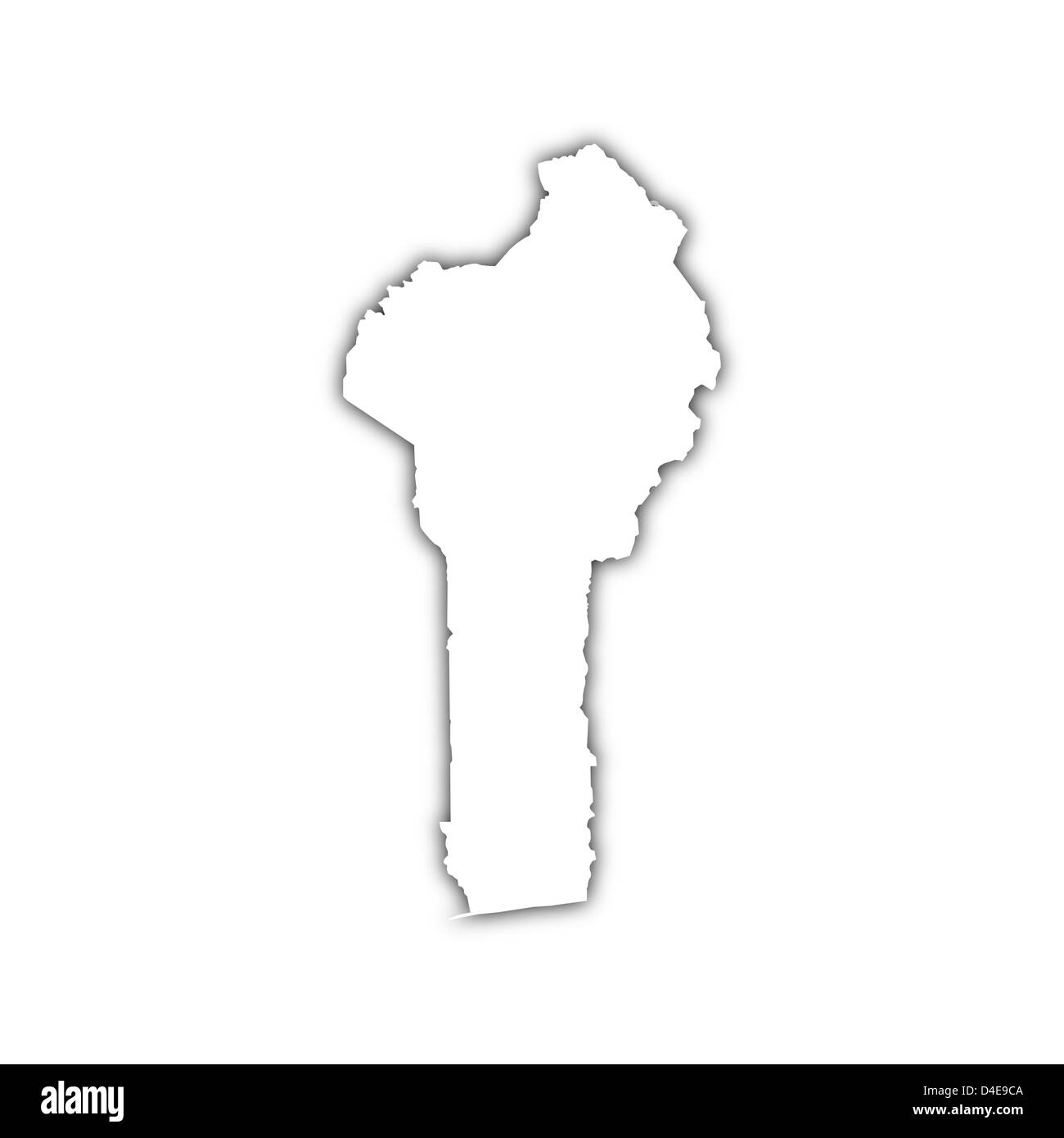
Benin, a small West African nation, holds a significant place in both history and contemporary discourse due to its rich cultural heritage and recent economic developments. With a population of over 12 million and situated along the Gulf of Guinea, Benin is often recognised as the birthplace of the famous Vodun (Voodoo) religion. Its relevance extends beyond tradition, as it is currently undergoing transformative changes that could shape its future trajectory.
Historical Background
Historically, Benin was part of the powerful Kingdom of Dahomey, known for its sophisticated governance and militaristic prowess during the 17th to 19th centuries. The kingdom became synonymous with the transatlantic slave trade, which had devastating effects on the region. Today, Benin is a constitutional democracy, having transitioned from a Marxist-Leninist state in the late 20th century. The rich tapestry of its past continues to attract tourists and historians alike, keen on exploring sites such as the Royal Palaces of Abomey, a UNESCO World Heritage site.
Cultural Significance
Benin is often regarded as the spiritual home of Voodoo, with many festivals celebrating this belief system. For instance, the annual Voodoo Festival in Ouidah draws thousands of visitors, showcasing traditional rituals, music, and dance. This cultural identity not only contributes to national pride but also serves as a tool for tourism, which is essential for the country’s economy.
Current Developments and Challenges
In recent years, Benin has showcased significant strides in economic development. The government under President Patrice Talon, who took office in 2016, initiated a series of reforms aimed at improving agricultural productivity, enhancing infrastructure, and attracting foreign investment. Notable projects include the expansion of the Cotonou Port and the development of the Benin Airport.
However, challenges remain. Human rights issues, particularly regarding political dissent, continue to garner international attention. The accusations of suppressing opposition voices during electoral processes raise concerns about the stability and democratic health of the nation.
Conclusion
As Benin seeks to balance its rich cultural identity with economic growth, its trajectory in the coming years will be crucial to watch. The country’s ability to navigate its historical challenges while embracing modernisation and democratic values will likely shape not only its domestic landscape but also its position in regional and global affairs. For readers, understanding Benin’s journey offers insight into the complexities of development in post-colonial nations, making it a relevant topic in today’s global narrative.