Introduction
Macedonia, a landlocked country situated in Southeast Europe, has a history that dates back to ancient times and is often overlooked in favour of its more prominent neighbours. The recent surge in tourism and the preservation of its rich cultural heritage make it an important destination worth exploring. As the world looks towards travel and exploration post-pandemic, understanding the significance of Macedonia’s role in a historical and cultural context becomes ever more relevant.
Cultural Heritage and Diversity
The Republic of North Macedonia, as it is officially known, boasts a diverse tapestry of cultures reflected in its many festivals, traditions, and cuisine. The capital city, Skopje, is particularly notable for its blend of the old and new. The revitalisation of the city includes the controversial ‘Skopje 2014’ project which introduced neoclassical buildings and monuments meant to celebrate the country’s history. The old bazaar in Skopje is one of the largest and oldest marketplaces in the Balkans, showcasing Ottoman architecture and a vibrant atmosphere that attracts both locals and tourists.
Natural Beauty
The landscape of Macedonia is equally captivating, with its rugged mountains, picturesque lakes, and fertile valleys. Lake Ohrid, a UNESCO World Heritage site, is renowned for its crystal-clear waters and rich biodiversity. It is often considered one of the oldest and most beautiful lakes in Europe, and it holds archaeological and religious significance. Visitors flock to the region not only for its natural beauty but also to explore the numerous monasteries dotting its shores, such as the iconic Saint Naum Monastery.
Historical Significance
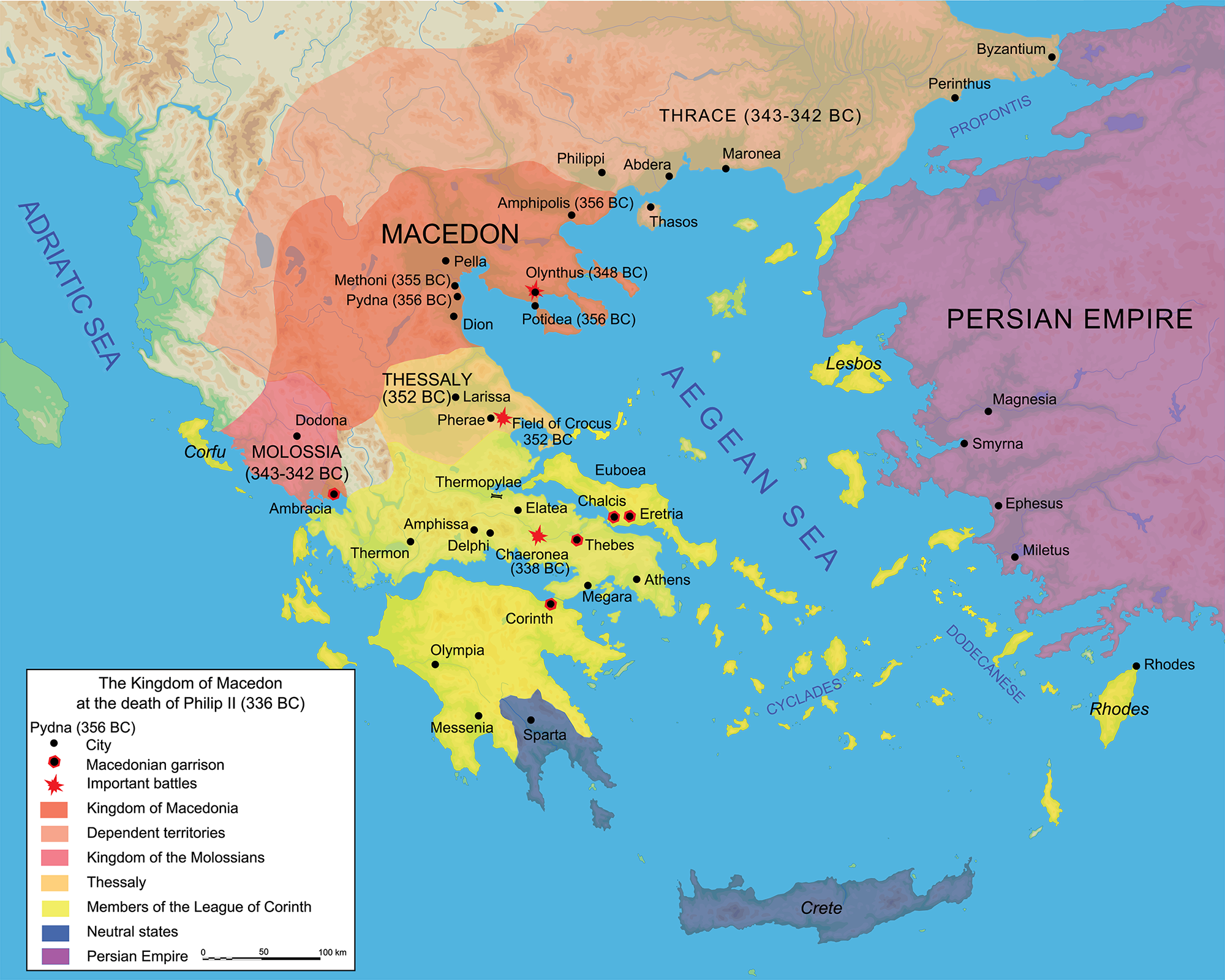
The historical significance of Macedonia also cannot be understated. The region is known as the birthplace of Alexander the Great, and ancient archaeological sites like the city of Heraclea Lyncestis provide insight into the country’s illustrious past. The evidence found in these ruins reflects a blend of Hellenistic, Roman, and Byzantine influences that shaped the area’s cultural development.
Conclusion
In conclusion, Macedonia stands as a testament to the complexities of history and cultural diversity. As global tourism resumes, the opportunity for visitors to discover its treasures cannot be overlooked. Macedonia’s unique combination of natural beauty, rich history, and lively culture sets the stage for a promising tourism future, drawing more attention to this often-overlooked gem in the Balkans. For anyone interested in exploring new destinations, Macedonia presents a compelling reason to include it in travel plans.