Introduction
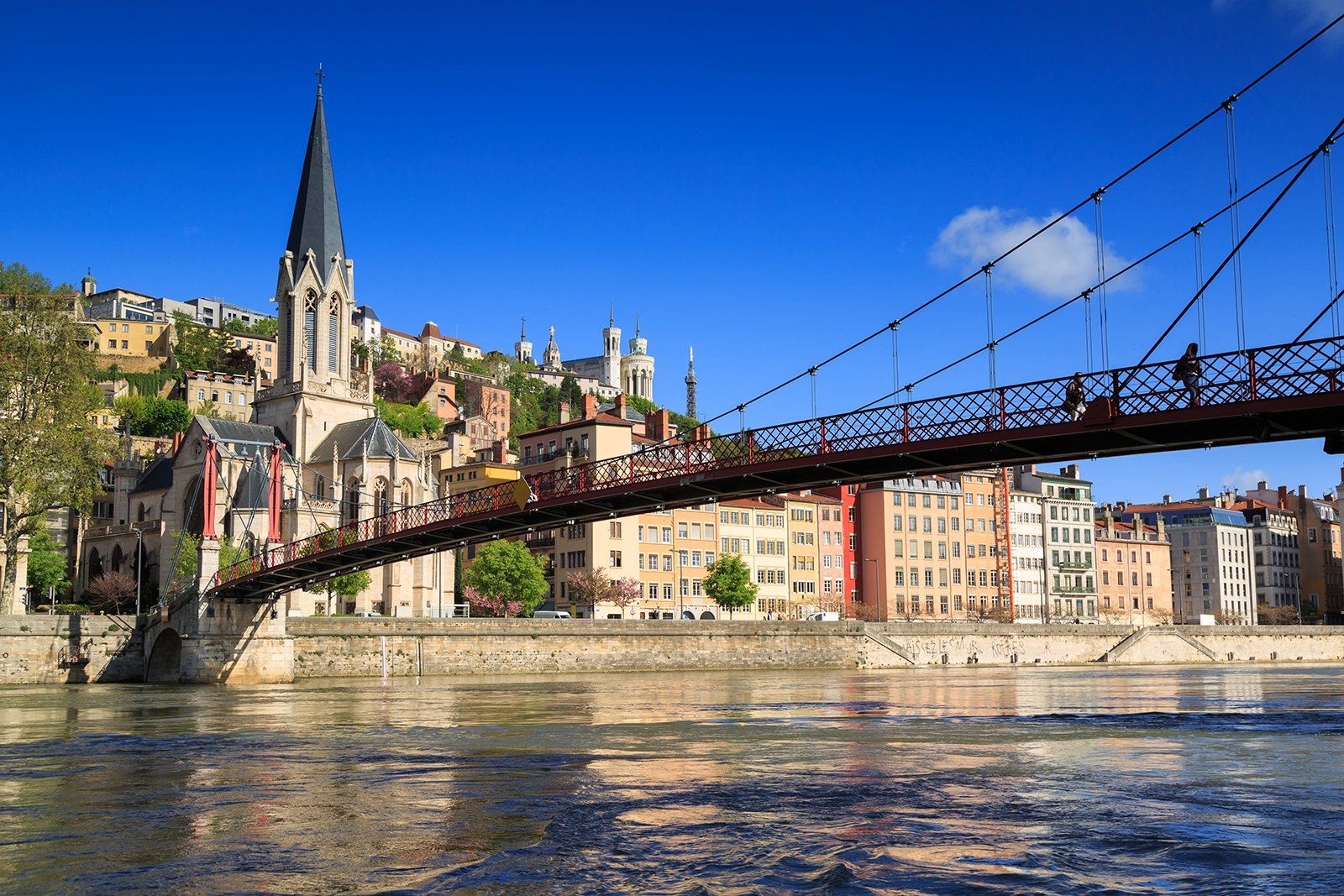
Lyon, the third-largest city in France, is often overshadowed by the likes of Paris and Marseille, yet it stands out as a cultural gem rich in history, gastronomy, and modern innovation. Recognised as a UNESCO World Heritage site, Lyon’s unique blend of historical architecture and contemporary vibrancy offers visitors a myriad of experiences. Understanding its significance not only enhances tourism but also highlights its role in France’s cultural and economic landscape.
Historical Significance
Lyon’s history dates back to Roman times when it was an important administrative centre called Lugdunum. The remnants of its Roman heritage can still be explored today, including the well-preserved amphitheater at Fourvière. Throughout the centuries, Lyon has been a hub for silk production and trade, contributing significantly to its economic development. This historical backdrop plays a crucial role in Lyon’s identity, creating a sense of pride among its residents.
Gastronomy and Culture
The city is often dubbed the gastronomic capital of France, showcasing its culinary excellence through traditional bouchons, where visitors can find local dishes such as coq au vin and quenelles. The annual Lyon Festival of Lights, held in December, attracts thousands of tourists with its enchanting installations, reflecting the city’s artistic spirit. Moreover, Lyon’s vibrant arts scene is manifested in its many theatres and museums, including the renowned Musée des Beaux-Arts, which houses an impressive collection of art spanning centuries.
Modern Developments
As Lyon continues to grow, it has embraced modernity while preserving its rich heritage. The recent development of the Confluence district signifies the city’s commitment to sustainable design and urban innovation. This area blends architectural modernity with ecological considerations, featuring parks, shops, and cultural venues along the Rhône River. Such developments not only enhance the quality of life for residents but also offer tourists a glimpse into the innovative spirit of contemporary Lyon.
Conclusion
Lyon’s unique combination of history, culture, and modernity makes it a significant city to explore. As international interest in the city increases, particularly in gastronomic tourism and cultural festivals, Lyon’s influence in France and beyond is expected to grow. Whether you are wandering through its ancient streets or indulging in its culinary delights, Lyon promises an enriching experience that resonates with its deep-rooted heritage and vibrant present.