Introduction
Haute-Vienne is a stunning department located in the Nouvelle-Aquitaine region of France, known for its rich cultural heritage, lush landscapes, and vibrant history. With its capital being Limoges, Haute-Vienne attracts tourists and history enthusiasts alike due to its significance in both art and industry. The region stands out for its porcelain manufacturing, medieval architecture, and picturesque rural scenery, making it an essential stop on any tour of France.
Geographical and Historical Significance
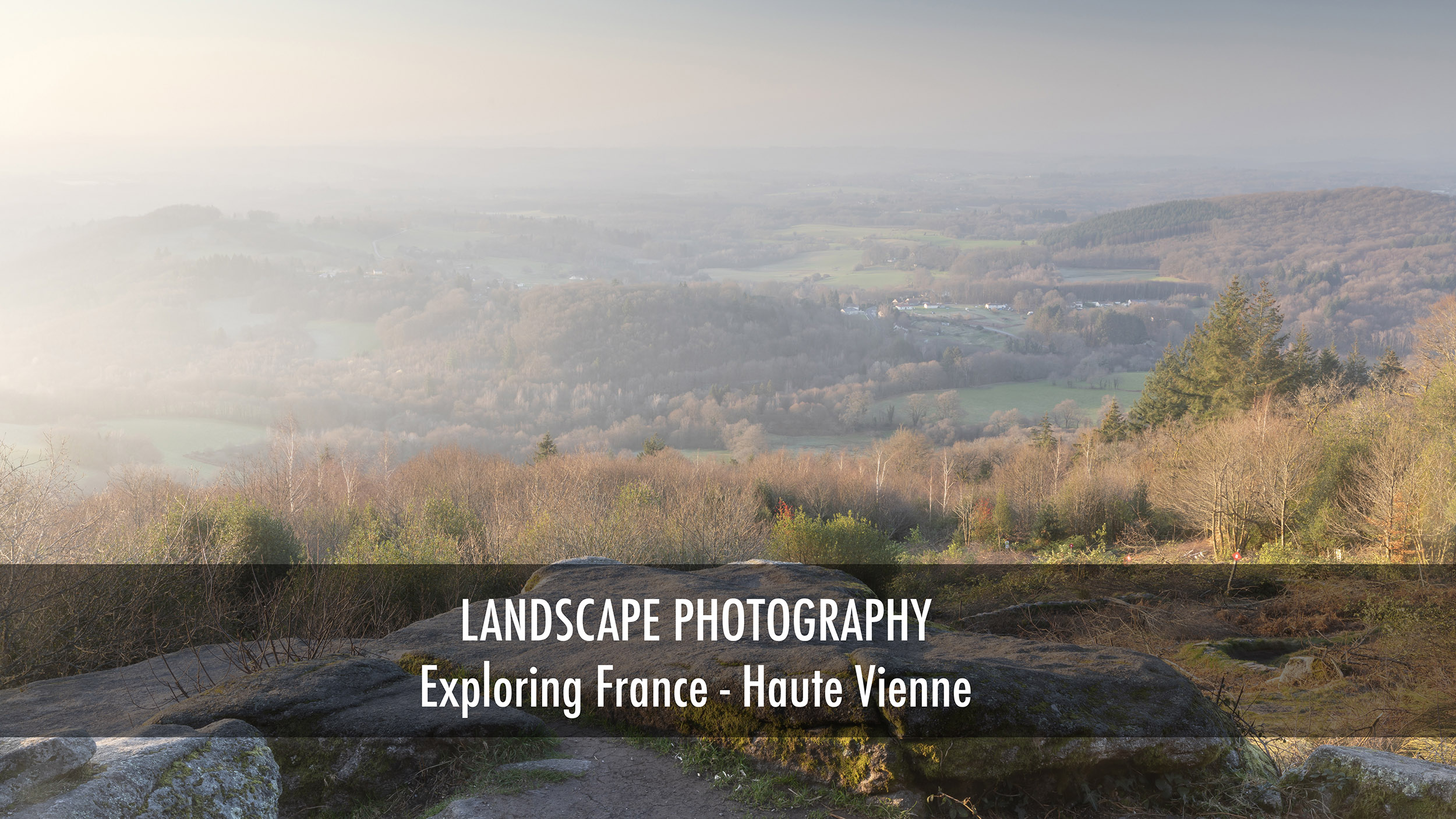
Haute-Vienne is characterised by its varied topography that includes rolling hills, forests, and rivers, notably the Vienne River, which flows through the region. Historically, Haute-Vienne has played a pivotal role in French history, being part of the ancient province of Aquitaine. The area witnessed significant events from the Hundred Years’ War and the French Revolution, with numerous historic sites, such as the Château de Chalus-Chabrol and the Abbey of St. Martial, serving as testaments to its storied past.
Porcelain Industry
Limoges, the capital of Haute-Vienne, is often referred to as the ‘World Capital of Porcelain’. The region became famous in the 18th century for its high-quality porcelain, which continues to be produced today. Various workshops and pottery boutiques invite visitors to witness master artisans at work and offer unique pieces for sale. The National Museum of Port-Cros showcases exquisite collections and educates visitors about the porcelain-making process, further illustrating the importance of this industry to the local economy.
Tourism and Attractions
Besides its industrial significance, Haute-Vienne boasts a variety of cultural attractions that lure visitors. The Limoges Cathedral, an architectural marvel from the 13th century, is a must-visit site. The large stained-glass windows and intricate sculptures are a glimpse into the region’s artistic heritage. Nature enthusiasts can explore the stunning Parc Naturel Régional Périgord Limousin, a protected area encompassing lush forests, hiking trails, and quaint villages, perfect for outdoor activities.
Conclusion
The importance of Haute-Vienne cannot be overstated, as it presents a harmonious blend of history, culture, and natural beauty. As interest in this less-travelled region of France grows, visitors can anticipate an enriching experience filled with unique attractions, culinary delights, and an opportunity to witness the artistry of local crafts. While the tourism sector is slowly recovering from the effects of the pandemic, Haute-Vienne stands poised to welcome those eager to explore the deep-rooted cultural narratives and scenic landscapes it has to offer.