Introduction
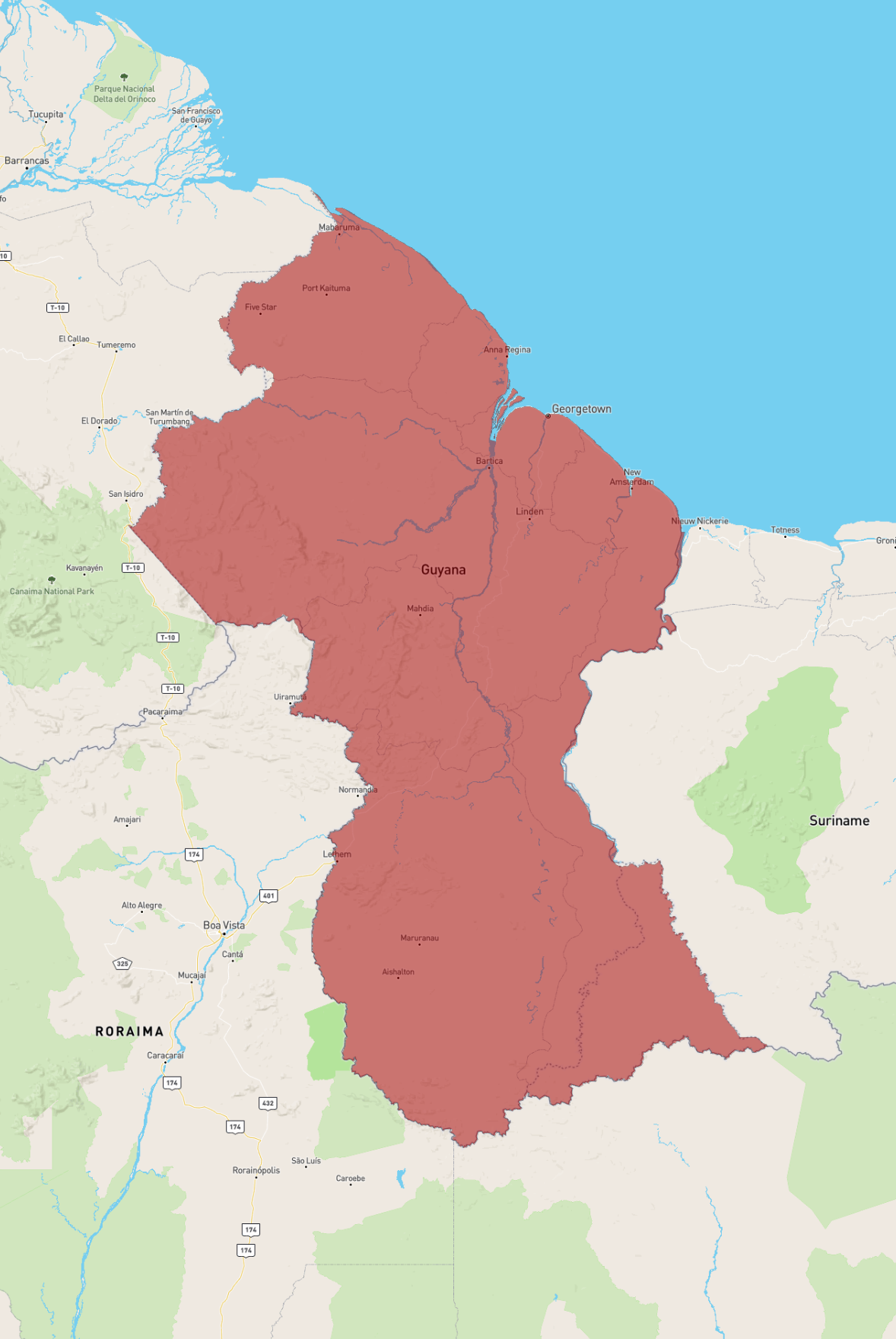
Guyana, located on the northeastern coast of South America, is gaining significant attention due to its emerging economy and rich cultural heritage. With a population of approximately 790,000 and abundant natural resources, including vast reserves of oil and gas, Guyana’s potential for growth and development cannot be underestimated. The country’s recent economic strides and socio-political dynamics make it a topic of great relevance.
Economic Growth
In recent years, Guyana has become a focal point for global investment, particularly following the discovery of substantial offshore oil reserves in 2015. ExxonMobil and its partners have been at the forefront of this discovery, with production ramping up significantly. As of October 2023, oil production has reached over 400,000 barrels per day, with forecasts of production doubling by 2025. This surge has spurred growth in other sectors, including construction, transportation, and retail.
Social and Political Landscape
Despite its economic progress, Guyana faces challenges regarding governance and social development. The recent elections in 2020 led to a political shift, with the People’s Progressive Party (PPP) returning to power. Political stability will be crucial for ensuring that the newfound oil wealth translates into tangible benefits for the broader population. Issues such as poverty reduction, education, and the healthcare system are critical areas that require immediate attention from the government.
Cultural Heritage
Guyana’s rich tapestry of cultures, influenced by its Indigenous peoples, African, Indian, and European ancestry, makes it unique in the Caribbean region. Events like Mashramani and Diwali highlight the nation’s diverse traditions and foster a sense of national pride. However, preserving this cultural heritage in the face of rapid economic change poses its own challenges.
Conclusion
As Guyana continues to navigate its transition into a significant player on the global economic stage, the implications for its population and the region are profound. The coming years will be pivotal as the nation seeks to balance economic growth with social equity and cultural preservation. Monitoring these developments closely will provide valuable insights into how Guyana can set an example of sustainable development for other nations rich in resources. The future of this small nation holds great promise, but it will require sound governance and strategic planning to realise its full potential.