Introduction: The Significance of the Elizabeth Line
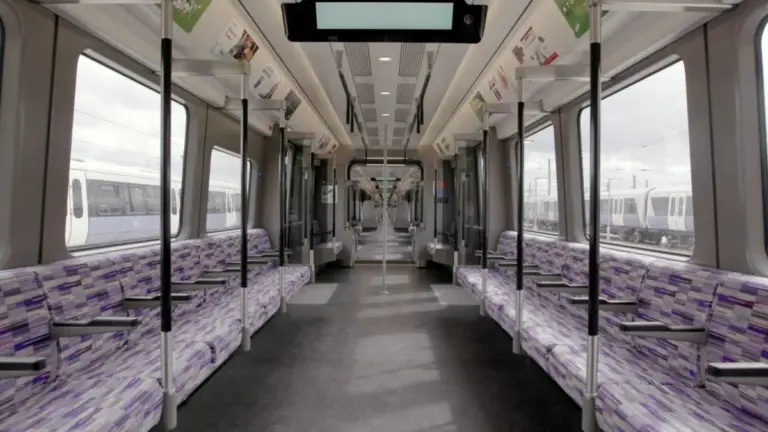
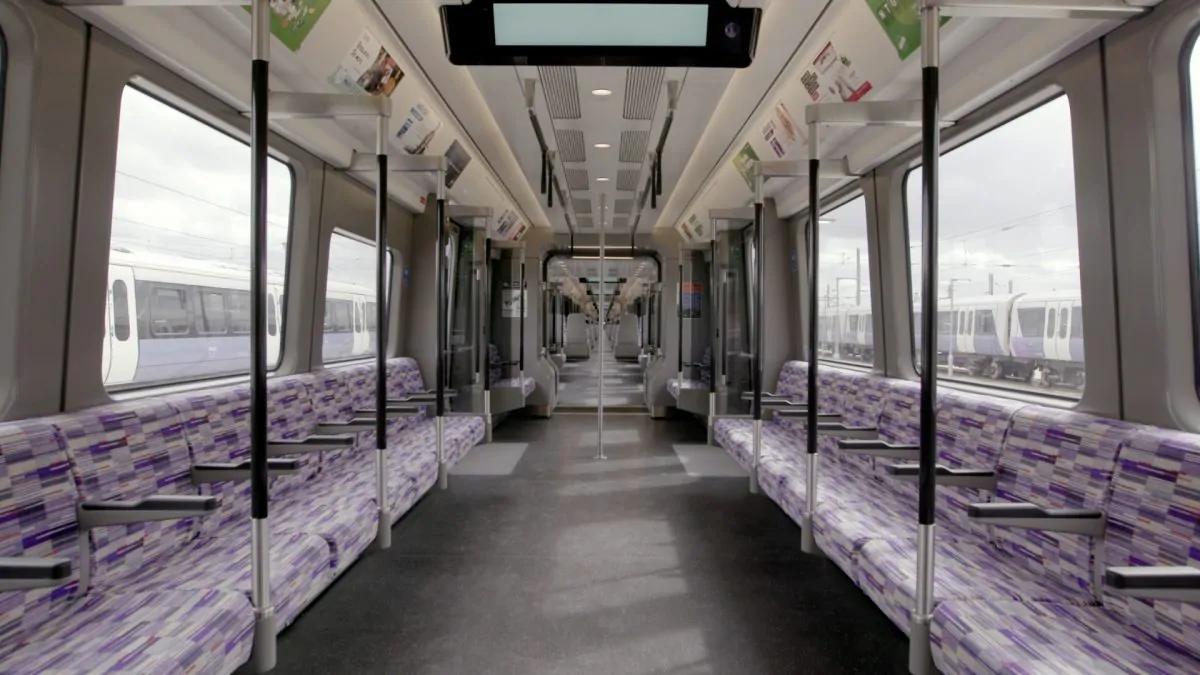
The Elizabeth Line, which officially opened in May 2022, has become a pivotal component of London’s transport infrastructure. Named after Queen Elizabeth II, this rail service connects the east and west of the city, significantly reducing travel times for commuters and enhancing accessibility for residents. This project is not only vital for easing congestion on the Underground but also for stimulating economic growth across the regions it serves.
The Elizabeth Line’s Key Features
The Elizabeth Line spans over 60 miles from Reading and Heathrow in the west to Shenfield and Abbey Wood in the east. With a remarkable 41 stations, including new stops in central London, the line is designed to accommodate around 200 million passengers each year. Trains operate every five minutes during peak times, with a top speed of 90 mph, making commuting considerably more efficient. In addition to travel efficiency, the line’s infrastructure includes innovative features such as step-free access at every station, catering to those with mobility challenges and promoting inclusivity.
Impact on London’s Transport Network
The line’s introduction has not only made journeys quicker but also played a crucial role in boosting local economies. Areas previously deemed less accessible are now much more attractive for residents and businesses alike. According to Transport for London (TfL), travel times are expected to be cut by up to 30 minutes on certain routes, opening doors for new job opportunities and easing the housing crisis by making outlying areas more reachable and desirable.
Looking Ahead
As we move into 2024 and beyond, the full potential of the Elizabeth Line will continue to unfold. Future developments aim to further integrate this line with other transport networks, increasing efficiency across bus and rail services. Additionally, ongoing assessments will help to enhance user experience and capacity as passenger numbers grow.
Conclusion: The Elizabeth Line’s Legacy
The Elizabeth Line marks a significant milestone in London’s transport history. Its completion reflects advancements in public transport planning, addressing not just the immediate needs for traffic alleviation but also the long-term vision of a connected and sustainable city. Commuters and tourists alike will continue to benefit from its infrastructure, promoting a future where travel around London is seamless and efficient. As the city adapts to the growing population, the Elizabeth Line stands as a testament to the importance of modern transport solutions in fostering urban development.