Introduction
The Isle of Lewis, part of the Outer Hebrides, is a jewel in Scotland’s crown, renowned for its breathtaking landscapes, rich history, and vibrant culture. Recognised for its significant contribution to Scottish heritage, the island attracts tourists, historians, and nature lovers alike. From the ancient standing stones to the dramatic coastal scenery, the Isle of Lewis holds numerous secrets waiting to be uncovered.
Historical Significance
The Isle of Lewis is steeped in history, with archaeological sites such as the Callanish Stones, a collection of standing stones that date back over 5,000 years. These stones, often compared to Stonehenge, played a significant role in ancient rituals and are a testament to the island’s prehistoric past. Additionally, the Lewis Chessmen, a famous collection of 12th-century chess pieces, were discovered on the island, further emphasising its historical importance.
Natural Beauty
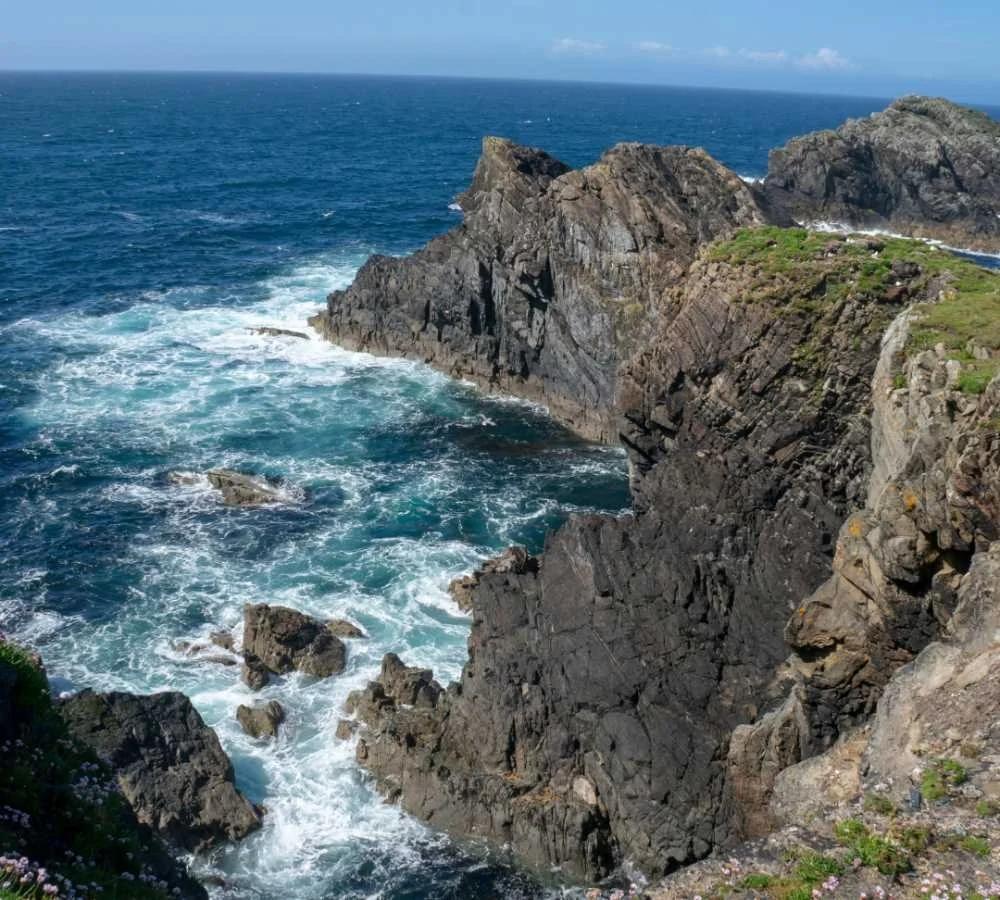
The island’s diverse ecosystems and stunning landscapes make it a paradise for nature enthusiasts. The rugged coastline, featuring dramatic cliffs and sandy beaches, offers breathtaking views and opportunities for outdoor activities such as hiking, birdwatching, and photography. Areas like Harris, which is part of the same landmass, are known for their turquoise waters and white sandy beaches, providing a stark contrast to the more rugged mainland.
Cultural Landscape
The cultural heritage of the Isle of Lewis is equally rich, with Gaelic being a prominent aspect of daily life. The island hosts various events celebrating its tradition and music, including the award-winning Hebridean Celtic Festival, drawing an impressive array of artists from across Scotland and beyond. Traditional crafts, such as Harris Tweed weaving, continue to thrive, providing a sustainable income for locals while also preserving an important cultural practice.
Modern Developments and Tourism
In recent years, the Isle of Lewis has seen an increase in tourism, spurred by its unique offerings and accessibility improvements. Local businesses are adapting to changing visitor numbers, with many focusing on eco-tourism and sustainable practices. As the world becomes more aware of climate issues, the island’s natural beauty and unspoiled nature are likely to be more significant draws for travellers seeking authentic experiences.
Conclusion
The Isle of Lewis stands as a remarkable intersection of history, culture, and natural beauty, making it an essential destination for anyone looking to explore Scotland’s rich heritage. As tourism continues to evolve, the island is well-positioned to become a leader in sustainable travel, ensuring that its treasures remain intact for generations to come. Visitors to the Isle of Lewis can expect to find not just scenic beauty, but also a profound connection to Scotland’s past.