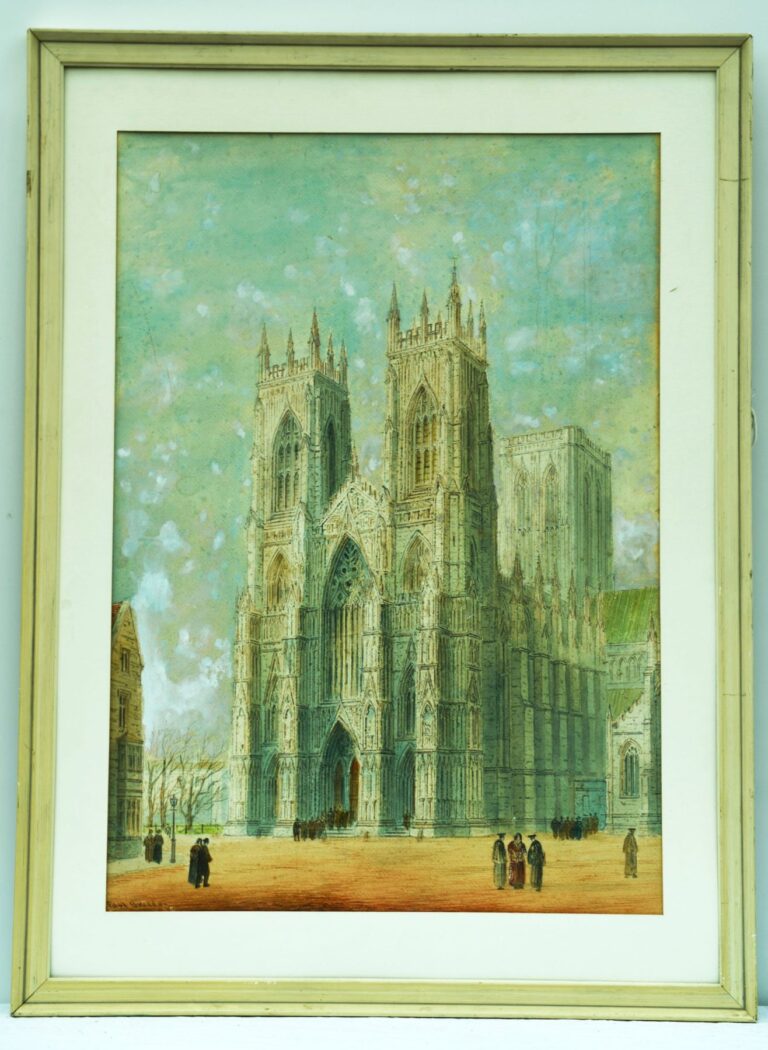
The Importance of Norwich
Norwich, located in the East of England, is a city rich with history and cultural significance. Known for its medieval architecture and lively arts scene, Norwich has developed into a vibrant hub that attracts both tourists and new residents. As a UNESCO City of Literature, it plays a vital role in promoting the written word, making it a focal point for cultural activities and events in the region.
Historical Significance
Norwich boasts a remarkable history dating back over a thousand years. Once the second-largest city in England, it was a powerhouse during the Middle Ages, serving as a centre for trade and governance. The impressive Norwich Cathedral, founded in 1096, and the iconic Norwich Castle are testaments to the city’s medieval prosperity.
Modern Developments
In recent years, Norwich has seen significant investment in infrastructure and the local economy. Major projects, such as the redevelopment of the city centre and improvements to public transport, aim to enhance accessibility and encourage tourism. The city also embraces sustainability, with initiatives to promote cycling and green spaces.
Cultural Events and Attractions
The cultural scene in Norwich is thriving, with events such as the Norwich City of Literature festival bringing together authors, poets, and readers from around the world. Furthermore, the Norfolk and Norwich Festival showcases an array of performances in theatre, music, and visual arts, affirming the city’s status as a cultural beacon.
Conclusion: The Future of Norwich
As Norwich continues to evolve, it remains a city that cherishes its rich history while embracing modernity. With ongoing developments and a strong emphasis on cultural identity, Norwich is poised to retain its significance within the UK. For those seeking a blend of heritage and contemporary vitality, Norwich presents a unique destination that is sure to captivate its visitors.