Introduction
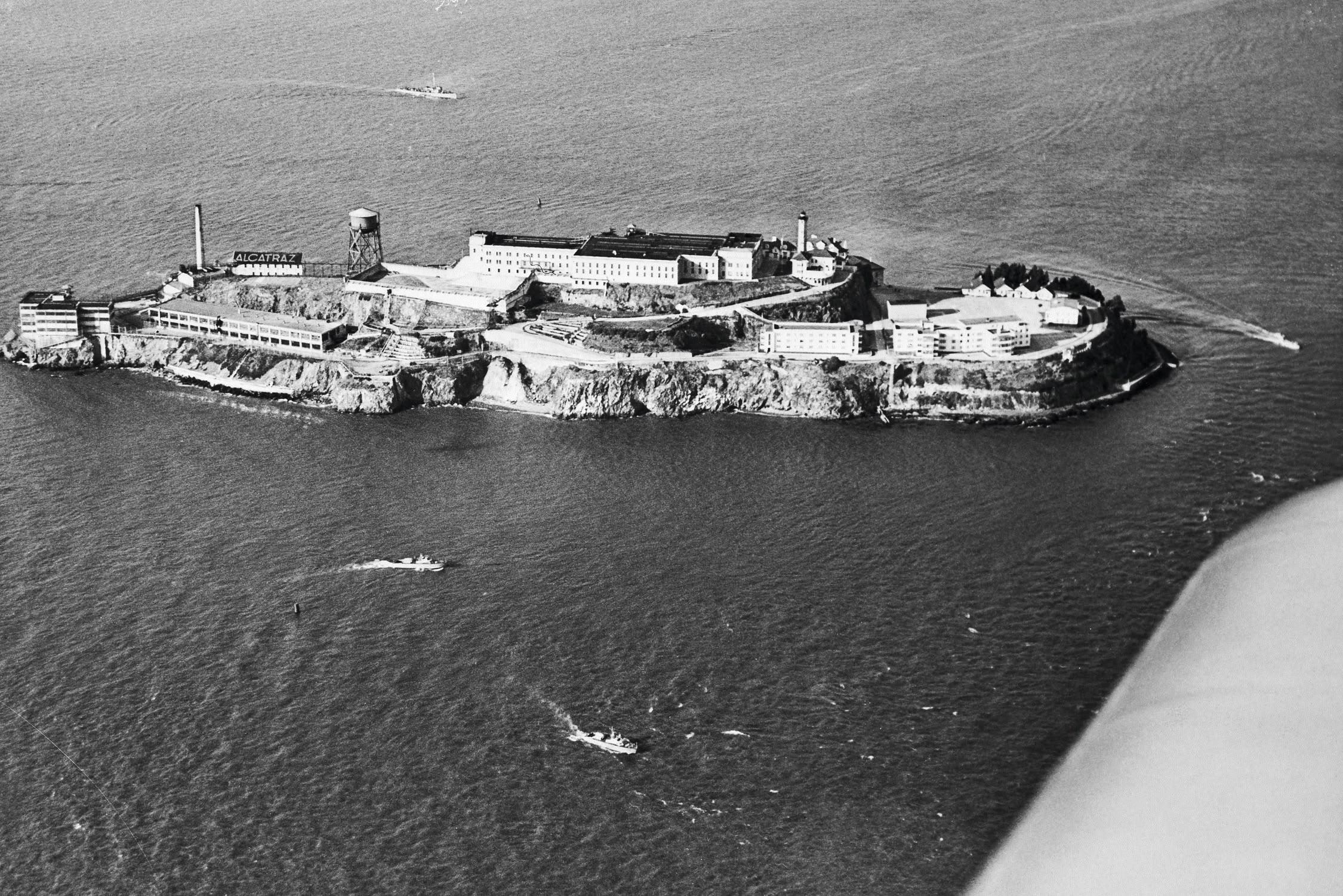
Alcatraz Island, often referred to simply as Alcatraz, is a federal prison that has become synonymous with crime, escape, and mystery in American history. Located in the San Francisco Bay, this island has a unique place in popular culture and continues to attract tourists and historians alike. Understanding its history and significance not only sheds light on its infamous past but also highlights its impact on contemporary society and law enforcement.
History of Alcatraz
Originally constructed as a military fort during the Civil War in the 1850s, Alcatraz was transformed into a maximum-security prison in 1934. The prison was designed to hold the most dangerous criminals, including notorious gangsters such as Al Capone and George ‘Machine Gun’ Kelly. Its isolation from the mainland made it an ideal location for housing prisoners who were considered a flight risk. During its operational years, Alcatraz housed over 1,500 inmates in a facility that was known for its harsh conditions and strict regulations.
One of the most remarkable aspects of Alcatraz’s history is the many escape attempts made by inmates. The most famous escape occurred in June 1962, when Frank Morris and the Anglin brothers crafted an elaborate plan to flee from the prison using makeshift rafts fashioned from raincoats. Their escape remains a mystery, as they were never found, leading to speculation that they may have succeeded. Such tales contribute to Alcatraz’s enduring allure as a site of intrigue and adventure.
Current Significance
Today, Alcatraz Island is a major tourist destination, with the National Park Service managing it as part of the Golden Gate National Recreation Area. Visitors can tour the expansive, eerie ruins of the prison, learn about the lives of its infamous inmates, and explore the history of the island through detailed exhibits and audio guides. In 2021, Alcatraz welcomed over 1.6 million visitors, making it one of the top attractions in the San Francisco area.
Moreover, Alcatraz represents larger themes in society, including the concepts of incarceration, rehabilitation, and the criminal justice system. Discussions regarding prison reform often bring attention to the conditions at Alcatraz, serving as a reminder of the past and leading to important dialogues about the future of prison systems globally.
Conclusion
In conclusion, Alcatraz Island stands as a testament to America’s complex relationship with crime and punishment. Its transition from a military fort to a maximum-security prison and eventually a historic site illustrates the evolving narratives surrounding incarceration. As discussions about prison reform continue to grow in importance, Alcatraz serves as a crucial reference point for understanding these issues and their implications for society. The island invites ongoing exploration and reflection for both history enthusiasts and the general public alike.