Introduction
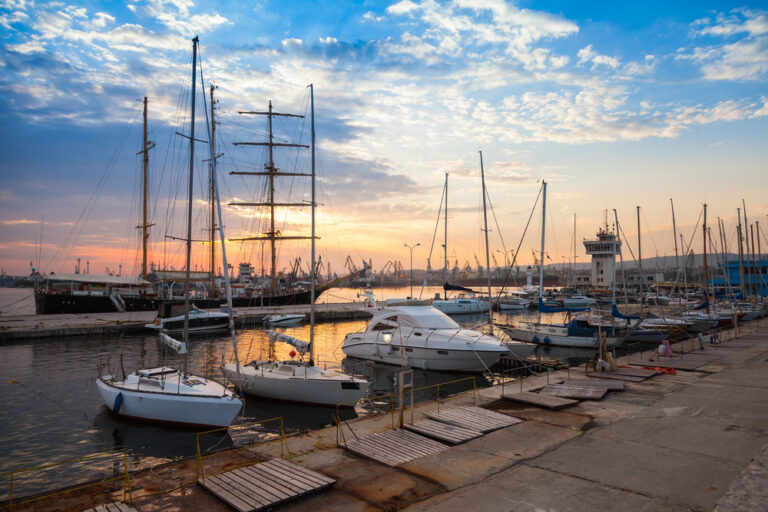
Valencia, the third-largest city in Spain, is known for its unique blend of historic and modern culture. With a rich history dating back over 2,000 years, Valencia has become a prominent destination for tourists seeking to experience Spain’s vibrant lifestyle, stunning architecture, and delicious cuisine. As the host city for the 2007 America’s Cup and the 2008 and 2021 Formula One races, Valencia has established itself as a centre of sports, culture, and tourism.
Historical Significance
Valencia’s history is deeply intertwined with various cultures, including the Romans, Moors, and Christians. Founded as a Roman colony in 138 BC, the city’s historical sites, such as the Lonja de la Seda, a UNESCO World Heritage site, showcase its medieval wealth and mercantile importance. The cathedral, believed to house the Holy Grail, is another significant landmark that attracts thousands of visitors every year. Valencia’s unique architectural styles are a testament to its rich past, blending Gothic, Baroque, and Modernist influences.
Modern Attractions
In contrast to its historical charm, Valencia is also home to remarkable modern attractions. The City of Arts and Sciences, designed by Santiago Calatrava, is an iconic example of contemporary architecture. This sprawling complex features a science museum, planetarium, aquarium, and an opera house, providing a diverse range of attractions for visitors. Additionally, the beautiful Turia Gardens, which repurposed the former riverbed of the Turia, offers locals and tourists picturesque pathways for walking and cycling.
Culinary Scene
Valencia is renowned for its culinary scene, most famously being the birthplace of paella. This traditional rice dish reflects the region’s agricultural heritage, using fresh, local ingredients. The vibrant markets, such as the Mercado Central, offer a diverse array of spices, fruits, and seafood, making it a great place for food enthusiasts looking to indulge their tastes. Visitors can also explore various tapas bars dotted around the city, sampling small dishes that reflect Valencia’s rich culinary culture.
Conclusion
Valencia stands as a dynamic city that perfectly blends its historical roots with modern innovation. From stunning architecture and historical sites to a thriving culinary scene, it offers something for everyone. As the city continues to grow and evolve, it remains a significant location for both tourism and cultural exchange. Looking ahead, Valencia is poised to attract even more visitors, further solidifying its status as one of Spain’s cultural gems.