Introduction
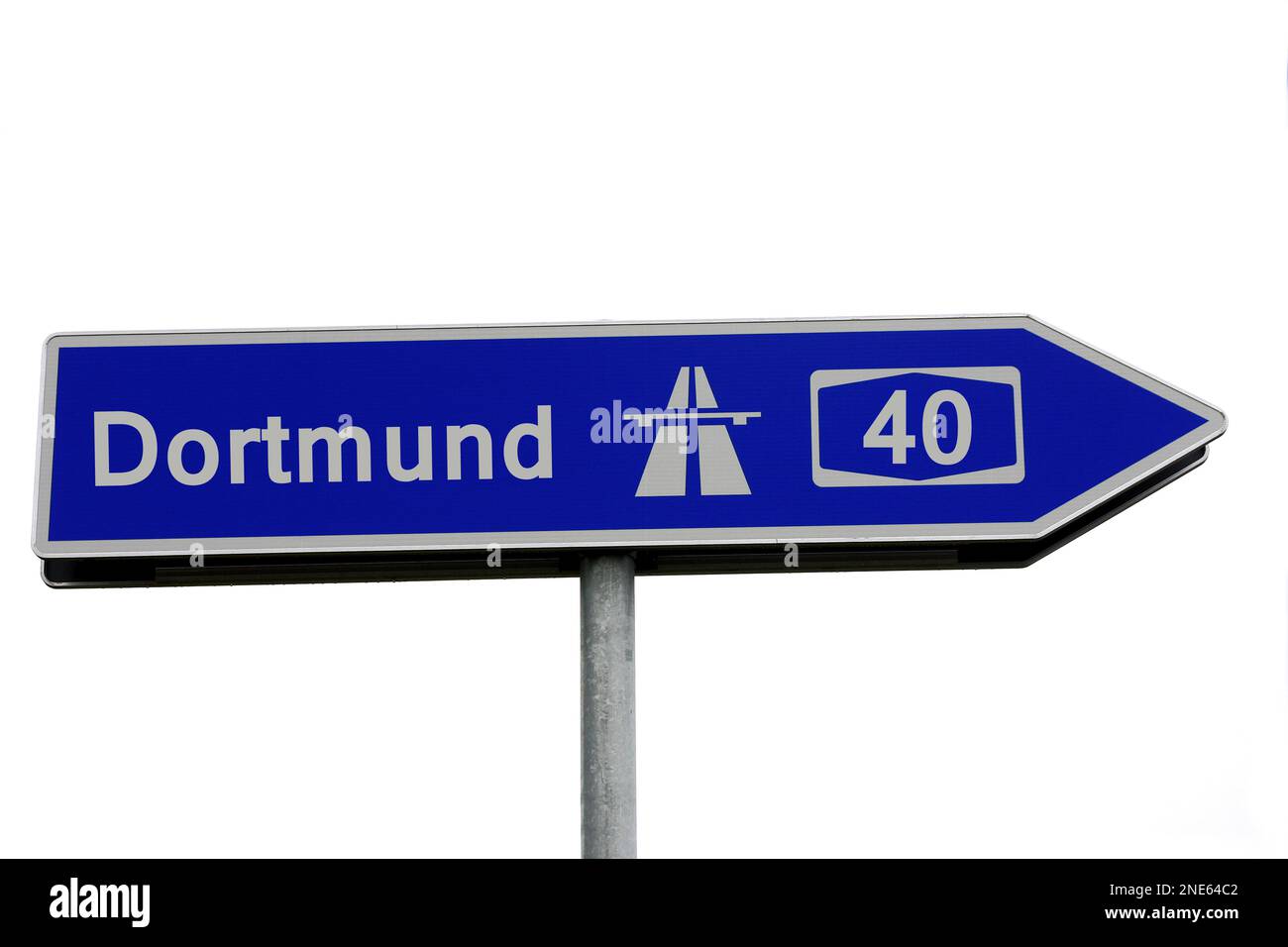
Dortmund, a city located in the North Rhine-Westphalia region of Germany, is often overlooked in favour of larger cities like Berlin and Munich. However, it is a city steeped in rich history, culture, and economic innovation. With its roots tracing back to the 9th century, Dortmund has evolved significantly over the decades, making it a noteworthy centre of development and cultural heritage.
Historical Background
Initially established as a trading post, Dortmund became a significant town during the Hanseatic League, flourishing due to its strategic location and access to waterways. By the 19th century, it had become an industrial hub, particularly in coal and steel production, which shaped its economic landscape for years to come. Over the decades, the city’s industrial prominence has declined, leading to a shift towards technology and services, ultimately positioning Dortmund as a vital player in the digital economy of Germany.
Cultural Significance
Dortmund boasts a vibrant cultural scene, characterised by museums, theatres, and architectural landmarks. The famous Westfalenpark and the Signal Iduna Park, home to the Borussia Dortmund football club, highlight the city’s passion for sports and community engagement. Additionally, museums like the Museum of Art and Cultural History exhibit rich collections that reflect Dortmund’s history and artistic evolution, making it a hub for arts and culture enthusiasts.
Economic Development
Recent developments in Dortmund’s economy have focused heavily on technology and innovation, particularly in the fields of IT and engineering. Initiatives such as the Dortmund Technology Centre (DTZ) have fostered collaboration between research institutions and enterprises, propelling the city towards a tech-driven future. The presence of several universities and vocational schools also supports a skilled workforce that is crucial for sustaining economic growth.
Conclusion
Dortmund’s evolution from an industrial powerhouse to a modern city at the forefront of technology and culture is undeniable. Its rich history, combined with a commitment to innovation and sustainability, makes it a significant player on both the national and European stages. As Dortmund continues to adapt to contemporary challenges and opportunities, it stands as a testament to the resilience and dynamism of urban growth. For anyone looking to explore a city that combines tradition, modernisation, and cultural vibrancy, Dortmund offers a compelling destination.