Introduction to Languedoc
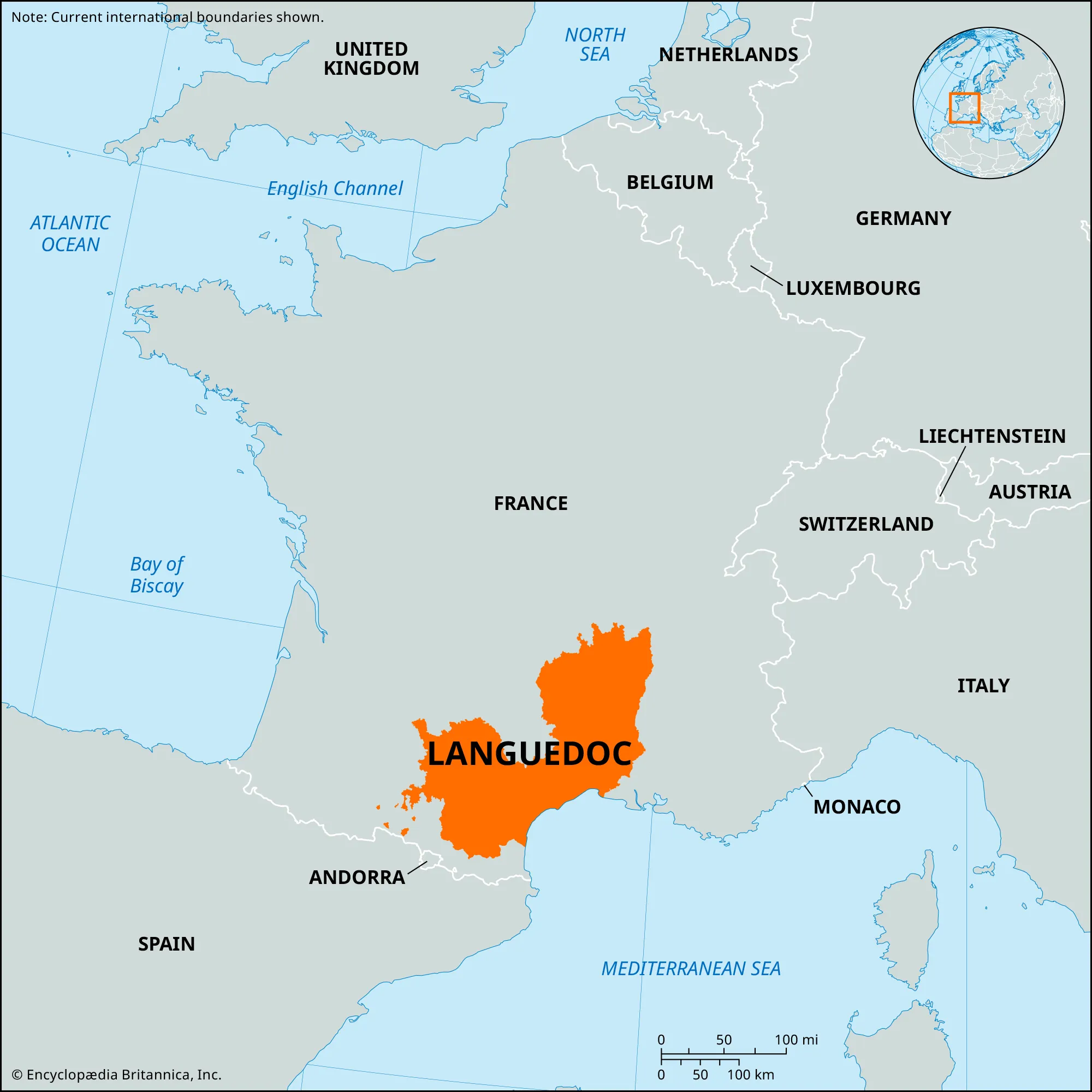
Languedoc, a historical region located in the south of France, is renowned for its stunning landscapes, rich history, and vibrant wine culture. As one of the largest wine-producing areas in the country, Languedoc has become increasingly popular among wine enthusiasts and tourists alike. Its significance lies not only in its agricultural contributions but also in its diverse cultural heritage and natural beauty, making it a fascinating destination for travellers.
A Glimpse into History
The history of Languedoc dates back to ancient times, with evidence of Roman settlements and later Medieval towns that shaped the region’s identity. The city of Carcassonne, with its well-preserved castle, evokes a sense of the past, attracting visitors eager to explore its fortified walls. Additionally, the region has a rich legacy of the Cathar movement, which adds a layer of historical interest as the region was the site of significant religious conflicts in the 12th and 13th centuries.
Wine – The Heart of the Region
One of the main attractions of Languedoc is its wine production, with over 200,000 acres of vineyards and a plethora of grape varieties. The region is celebrated for its diverse wine styles, ranging from robust reds to refreshing whites and exquisite rosés. The Languedoc wine route invites tourists to tour vineyards, participate in tastings, and learn about the winemaking process. Notable appellations such as Pic St. Loup, Minervois, and Corbières showcase the exceptional quality and unique characteristics of Languedoc wines.
Cultural Significance and Attractions
Beyond wine, Languedoc boasts a multitude of cultural attractions. Its charming medieval towns like Pézenas and Uzès offer a glimpse of local crafts, speciality shops, and delicious regional cuisine. Festivals throughout the year celebrate everything from music to gastronomy, illustrating the region’s lively traditions. Additionally, the natural beauty of places like the Cévennes National Park and the Mediterranean coastline provides opportunities for outdoor activities, including hiking and water sports.
Conclusion
In summary, the Languedoc region stands out as a vibrant area rich in history, culture, and gastronomy. With its expansive vineyards, historic towns, and breathtaking landscapes, it continues to attract visitors from all over the world. As interest in regional tourism grows, Languedoc is poised to become an even more integral player in France’s tourism landscape, providing memorable experiences for those who travel here. Those who explore Languedoc will undoubtedly leave with a deeper appreciation for its cultural and historical tapestry.