Introduction
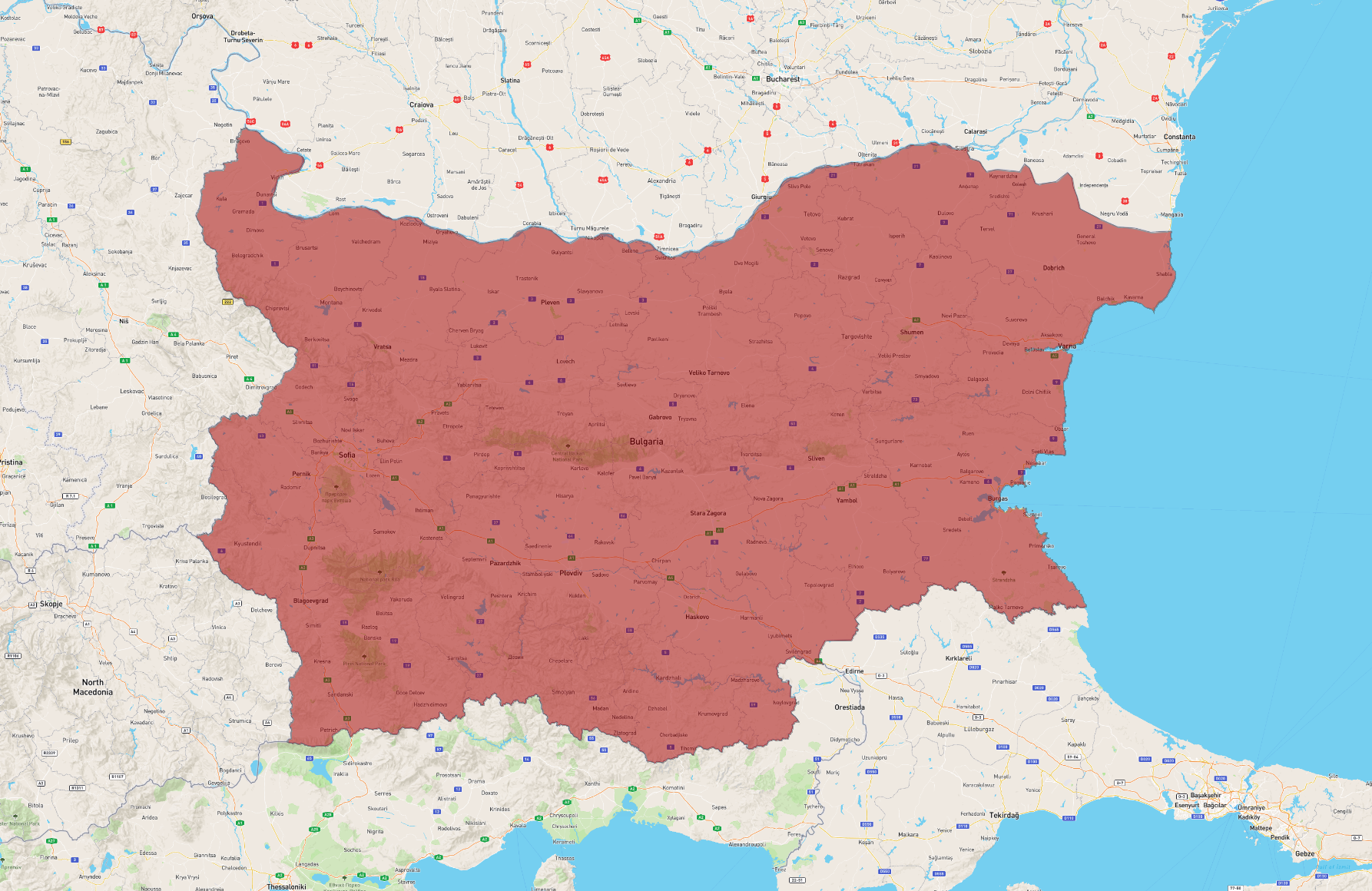
Bulgaria, a picturesque country located in Southeast Europe, has emerged as a significant destination for tourists and businesses alike. Known for its rich history, diverse landscapes, and vibrant culture, it offers an abundance of opportunities for exploration and investment. As the nation continues to develop, understanding its current status and relevance in today’s geopolitical landscape is crucial for both potential visitors and investors.
The Current Landscape of Bulgaria
In recent years, Bulgaria has seen a resurgence in its tourism sector, with statistics showing a 25% increase in international visitors in 2023 compared to the previous year. Key attractions include the stunning Black Sea coastline, the breathtaking Rila Monastery – a UNESCO World Heritage site, and the vibrant cities of Sofia and Plovdiv, which are rich in history and culture.
Additionally, Bulgaria’s strategic location at the crossroads of Europe and Asia has made it an attractive hub for business and trade. The government has implemented various policies to encourage foreign investment, particularly in the technology and renewable energy sectors. Bulgaria’s efforts to improve its infrastructure, including upgrades to its transport links and internet connectivity, further support this trend.
Cultural Renaissance and Natural Beauty
Rich in cultural heritage, Bulgaria hosts various festivals that celebrate its folklore, music, and traditional dance. The Nestinarstvo fire-dancing ritual, observed in the Strandzha region, showcases Bulgaria’s unique traditions and attracts numerous visitors. Furthermore, the country is home to some of Europe’s most beautiful nature reserves, such as the Pirin National Park and the Seven Rila Lakes, offering amazing opportunities for hiking, skiing, and eco-tourism.
Challenges and Future Outlook
Despite the positive developments, Bulgaria faces several challenges, including an ageing population and economic disparities between urban and rural regions. Addressing these issues will be crucial for sustainable development. Additionally, the ongoing geopolitical tensions in Eastern Europe may impact the nation’s stability, making it essential for Bulgaria to navigate these challenges carefully.
Conclusion
In conclusion, Bulgaria stands at a crossroads, offering a blend of rich cultural experiences and natural wonders, coupled with significant economic opportunities. As it continues to attract tourists and international investors, understanding the current events and challenges it faces is crucial for anyone interested in this remarkable country. The future outlook remains optimistic as Bulgaria strives to establish itself as a key player in the European arena.