Introduction
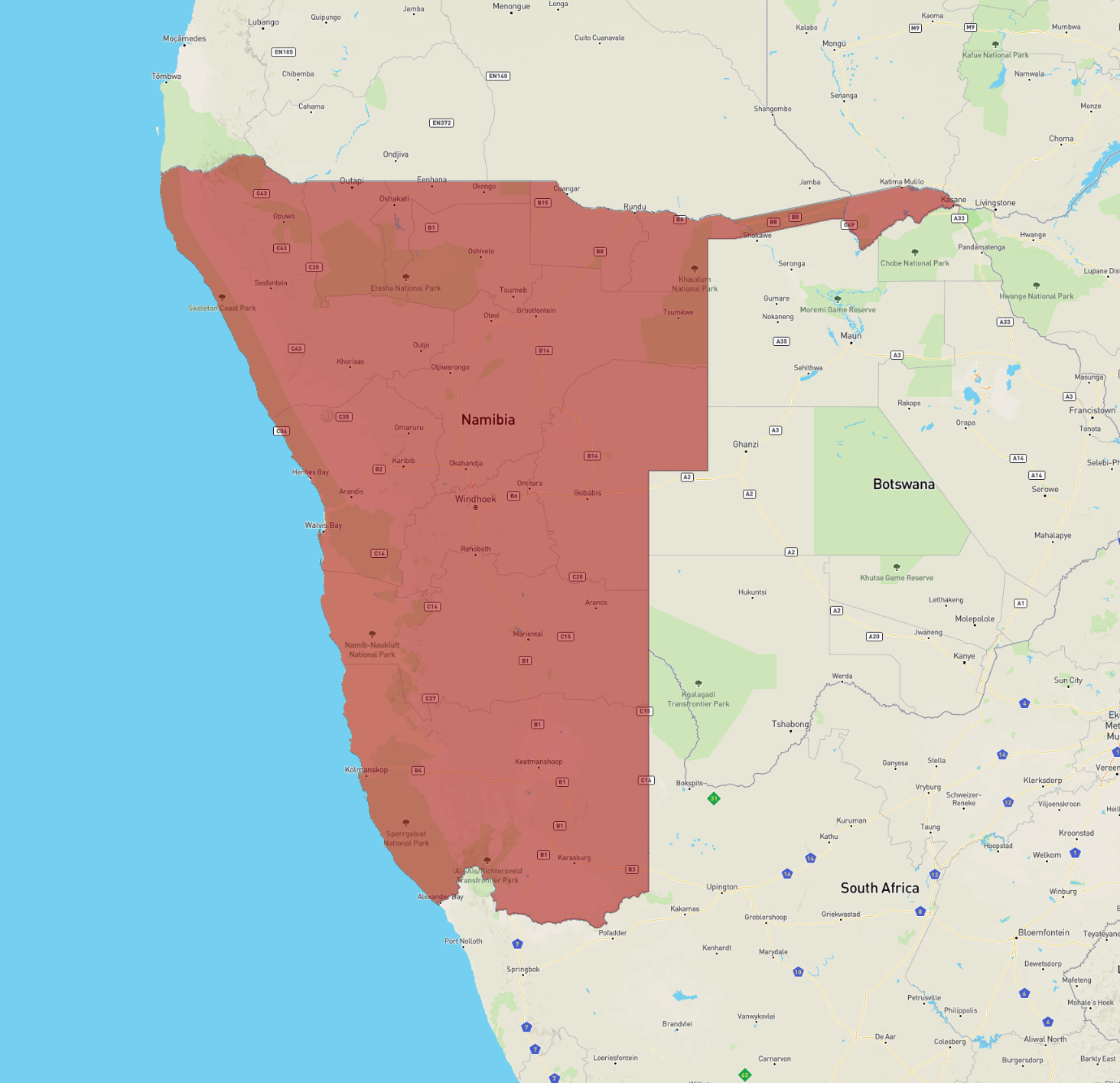
Namibia, a country located in southwestern Africa, is renowned for its stunning natural beauty, rich cultural heritage, and diverse wildlife. Its landscapes range from the dramatic dunes of Sossusvlei to the wildlife-rich Etosha National Park, making it a vital destination for ecotourism and adventure seekers. Recent trends indicate that Namibia’s tourism sector is on the rise, making it increasingly relevant on the global travel stage.
The Breathtaking Landscapes
Namibia is home to some of the world’s most iconic landscapes. The Namib Desert, one of the oldest deserts in the world, features the famous red sand dunes of Sossusvlei, which can reach heights of over 300 metres. Visitors can admire the stark beauty of Deadvlei, a salt pan lined with ancient, dead acacia trees. Furthermore, the Fish River Canyon, one of the largest canyons in the world, offers breathtaking views and hiking opportunities.
Cultural Diversity
In addition to its natural wonders, Namibia has a rich cultural tapestry. The country is home to diverse ethnic groups, including the Ovambo, Himba, and Nama, each with its own unique traditions and languages. The Himba, known for their distinctive red ochre skin and intricate hairstyles, provide insight into ancient customs and practices. Tourists can engage with local communities and gain a deeper understanding of Namibia’s heritage through cultural tours.
Wildlife and Conservation
Namibia is a pioneer in conservation efforts, with approximately 43% of its land designated for conservation-friendly purposes. Etosha National Park stands out as a major attraction, where visitors can witness an array of wildlife, including elephants, lions, and rhinos. The park’s salt pans and waterholes create a unique ecosystem, making it a photographer’s paradise and a crucial site for wildlife preservation.
Tourism Growth and Future Prospects
The COVID-19 pandemic significantly impacted global tourism, but Namibia is seeing a recovery in the sector. The government has introduced several initiatives to promote the country as a safe and desirable travel destination, including eco-friendly tourism and immersive experiences. By highlighting its unparalleled landscapes, cultural richness, and conservation efforts, Namibia aims to attract a new generation of travellers.
Conclusion
As Namibia continues to capture the attention of tourists worldwide, its importance in the global travel market is undeniable. The blend of natural beauty and cultural experiences offers something unique and impactful. Looking ahead, Namibia’s potential as a premier eco-tourism destination is bright, with forecasts suggesting steady growth in visitor numbers as the world opens up post-pandemic. Travellers are encouraged to explore this remarkable country and witness its wonders firsthand.