Introduction: The Importance of Svalbard
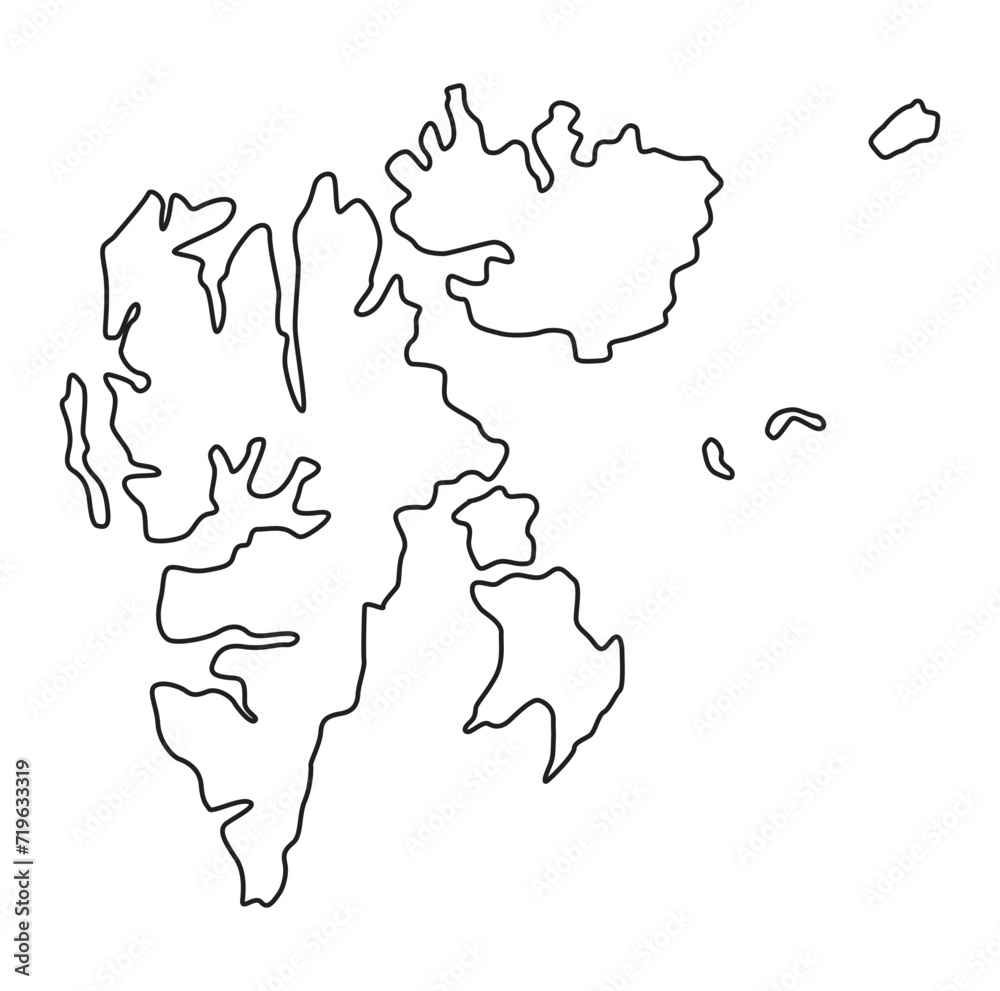
Svalbard is an archipelago located in the Arctic Ocean, showcasing a stunning natural environment and unique biodiversity. Its relevance extends beyond mere geography; Svalbard plays a critical role in climate research and international cooperation
Current Events and Significance
In recent years, Svalbard has garnered attention not just for its breathtaking landscapes and wildlife but also for its strategic geopolitical position. The warming climate is causing rapid changes in the Arctic, and researchers are flocking to this region to study its implications. Norway, which administers Svalbard, has invested in scientific facilities and infrastructure to support these research efforts.
As of 2023, Svalbard faces numerous challenges including melting glaciers and shifting ecosystems. Norwegian authorities have set up extensive monitoring systems to track these changes. Recently, a partnership was formed between the University Centre in Svalbard (UNIS) and various international research institutions aiming to study the impact of climate change on polar environments.
Tourism and Economic Impact
Tourism in Svalbard also plays a crucial role in its economy. Visitors flock to see the Northern Lights, polar bears, and the scenic landscapes. In 2023, the tourism sector has rebounded following challenges during the COVID-19 pandemic, with significant numbers of tourists undertaking ecological tours and cruise visits.
Conclusion: The Future of Svalbard
As Svalbard continues to be a focal point for both climate research and tourism, it is essential for the global community to support sustainable development in the region. Keeping Svalbard’s ecosystems intact while accommodating research and tourism will be crucial for the archipelago’s future. The decisions made today will impact not just Svalbard, but global climate patterns, wildlife conservation, and international relations in the Arctic for years to come.