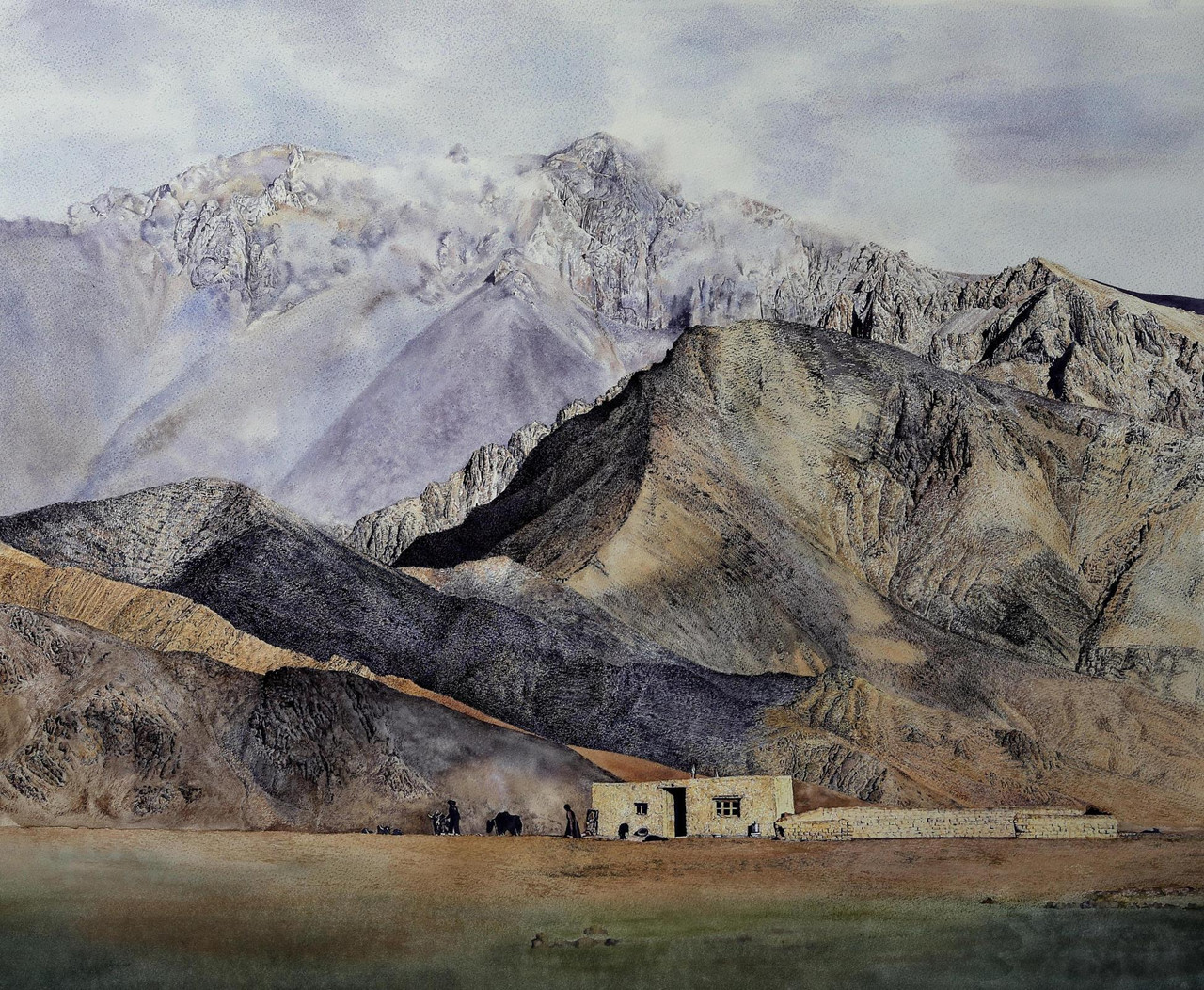
Introduction
Tibet, often referred to as the ‘Roof of the World’, is a region steeped in cultural and historical significance. Its unique heritage, stunning landscapes, and spiritual depth draw countless visitors each year. However, Tibet’s recent political challenges and its struggle for autonomy make it a focal point for international discourse on human rights and cultural preservation. Understanding Tibet’s current situation is essential for grasping ongoing geopolitical dynamics.
Cultural Heritage and Geography
Tibet is renowned for its breathtaking geography, which includes the majestic Himalayan mountain range. The region’s culture is deeply intertwined with Tibetan Buddhism, evident in its numerous monasteries and stupas. Lhasa, the capital of Tibet, is home to the iconic Potala Palace, once the residence of the Dalai Lama, which symbolizes Tibetan cultural identity.
The rich tapestry of Tibetan traditions, languages, and arts flourishes despite modern pressures. Festivals such as Losar (Tibetan New Year) showcase vibrant music, dance, and ritual, offering insight into the resilience of Tibetan culture.
Political Context and Current Issues
The political status of Tibet remains a contentious issue. Following its incorporation into the People’s Republic of China in 1950, the region has experienced significant changes that have led to widespread protests and calls for autonomy among Tibetan people. Advocates argue that environmental degradation and cultural assimilation threaten the Tibetan way of life.
Recent reports indicate an increase in international criticism regarding human rights abuses in Tibet, leading to heightened scrutiny of Beijing’s policies in the region. The United Nations and various human rights organizations continue to urge for dialogue and respect for the cultural identity of Tibetan people.
Future Outlook
The future of Tibet hinges on a multitude of factors, including global political dynamics and internal advocacy for preservation of its culture and rights. Increased awareness and support from the international community can play a crucial role in encouraging dialogue between Tibetans and the Chinese government. As global attention shifts towards climate change and its impact on vulnerable ecosystems, Tibet’s unique environment also stands as a testament to the delicate balance between cultural heritage and modern development.
Conclusion
Tibet, with its rich culture and history, serves as a poignant reminder of the importance of preserving human rights and cultural identity in the face of external challenges. For readers, understanding Tibet’s situation not only enriches knowledge about a remarkable part of the world but also highlights the ongoing fight for autonomy and human rights that resonates globally.