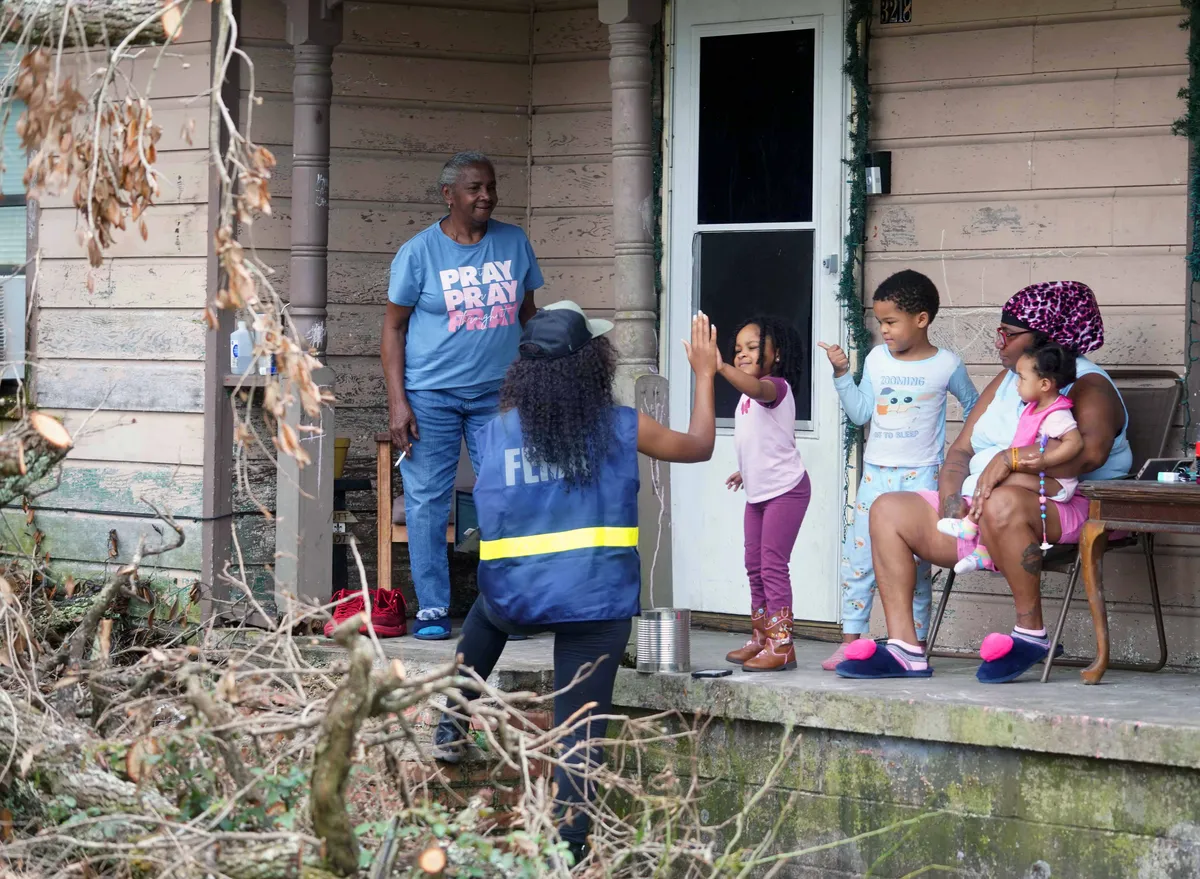
What does FEMA’s recent amendment to its disaster declaration mean for Michigan’s utility infrastructure? The answer is significant financial support for repairs following devastating storms.
FEMA amended Major Disaster Declaration FEMA-4880-DR-MI to authorize Public Assistance Category F for Michigan utilities, allowing the agency to reimburse eligible costs to repair and restore damaged electric infrastructure. This amendment comes in response to reports from non-profit electric cooperatives in northern Michigan, which indicated millions of dollars in storm-related damage.
Under the Public Assistance program, FEMA generally funds at least 75% of eligible costs, providing a crucial lifeline to local utilities struggling to recover from the impacts of severe weather. This funding mechanism is rooted in the Stafford Act, which empowers the president to approve and amend major disaster declarations.
Karen S. Evans, a key figure in the response efforts, expressed gratitude for the federal support, stating, “Thanks to President Trump and the administration, Michigan’s disaster declaration is now expanded to cover utility damages.” This highlights the collaborative effort between state officials and federal agencies in addressing the aftermath of natural disasters.
Counties are often the first line of action in disaster response, and those that are well-prepared tend to see stronger outcomes and greater resilience. This situation underscores the importance of proactive measures in disaster management.
As FEMA continues its partnership with the state of Michigan and tribal officials, the focus will be on ensuring that the necessary repairs are made swiftly and efficiently. However, the full extent of the damage and the timeline for recovery remain to be seen.
With the 2025 ice storm still fresh in the minds of residents and officials alike, the need for robust disaster response mechanisms is more pressing than ever. The ongoing collaboration between FEMA and local entities like Great Lakes Energy and Presque Isle Electric & Gas Co-Op will be crucial in navigating the recovery process.
As the situation develops, further details regarding the specific allocations of funds and the overall impact on Michigan’s utility infrastructure will be closely monitored. For now, the expansion of FEMA’s disaster aid represents a vital step toward recovery for many communities affected by recent storms.