The numbers
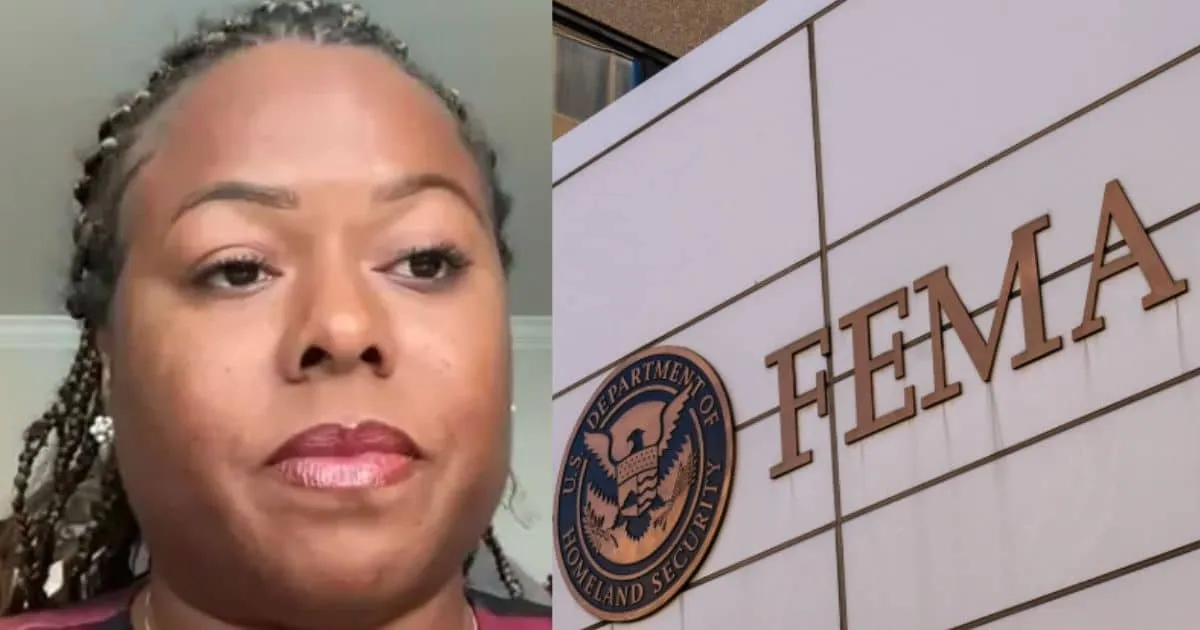
In a significant policy shift, Markwayne Mullin, the newly appointed FEMA official, has rescinded a rule that mandated personal approval from his office for any Department of Homeland Security (DHS) expenditures exceeding $100,000. This decision is poised to alleviate a spending bottleneck that has delayed over 1,000 FEMA contracts, grants, or disaster reimbursements, with approximately $2.2 billion in recovery and mitigation dollars awaiting approval.
The rescinded rule, originally implemented by former Secretary Kristi Noem, had created a substantial backlog, hindering FEMA’s ability to respond effectively to disasters. By removing this requirement, Mullin aims to streamline the approval process, thereby enhancing the agency’s operational efficiency during critical times.
“We appreciate Secretary Mullin’s common-sense approach to this matter, and we look forward to working with him,” stated Josh Morton, president of the International Association of Emergency Managers (IAEM-USA). This sentiment reflects a broader optimism among emergency management professionals regarding the potential for improved disaster response capabilities.
However, the decision comes on the heels of a challenging year for FEMA, which lost over 2,400 employees. Mullin has committed to maintaining adequate staffing levels to ensure that the agency can meet its obligations effectively. As part of broader DHS appropriations, an additional $26 billion is set to be allocated to the Disaster Relief Fund, which currently holds about $3.6 billion in remaining funds.
In a related move, the DHS is conducting a comprehensive review of its policies, pausing the purchase of new warehouses for immigration detention. This reflects a shift in focus towards enhancing disaster response capabilities rather than expanding detention facilities.
Despite these positive developments, not all feedback has been favorable. Senator Thom Tillis expressed criticism, stating, “You’ve failed at FEMA,” highlighting the scrutiny the agency faces as it navigates these changes. Meanwhile, Mullin has assured that he will adhere to all legal requirements in his role, indicating a commitment to transparency and accountability.
As the DHS reviews its policies and Mullin implements these changes, observers are keenly watching for further developments. The scope of the Inspector General’s review will be extensive, aiming to uncover any improprieties in how contracts were awarded, which could impact future operations and public trust in the agency.
Details remain unconfirmed regarding the full implications of these policy changes, but the immediate expectation is that the rescission of the approval rule will significantly enhance FEMA’s responsiveness in times of crisis.