The wider picture
The Strait of Hormuz is the most important sea route for oil exports in the world. Its significance has been underscored by recent geopolitical tensions, particularly following the U.S. and Israel’s military actions against Iran. This conflict has led to a dramatic surge in gasoline prices across the United States, marking a pivotal moment for consumers and the economy alike.
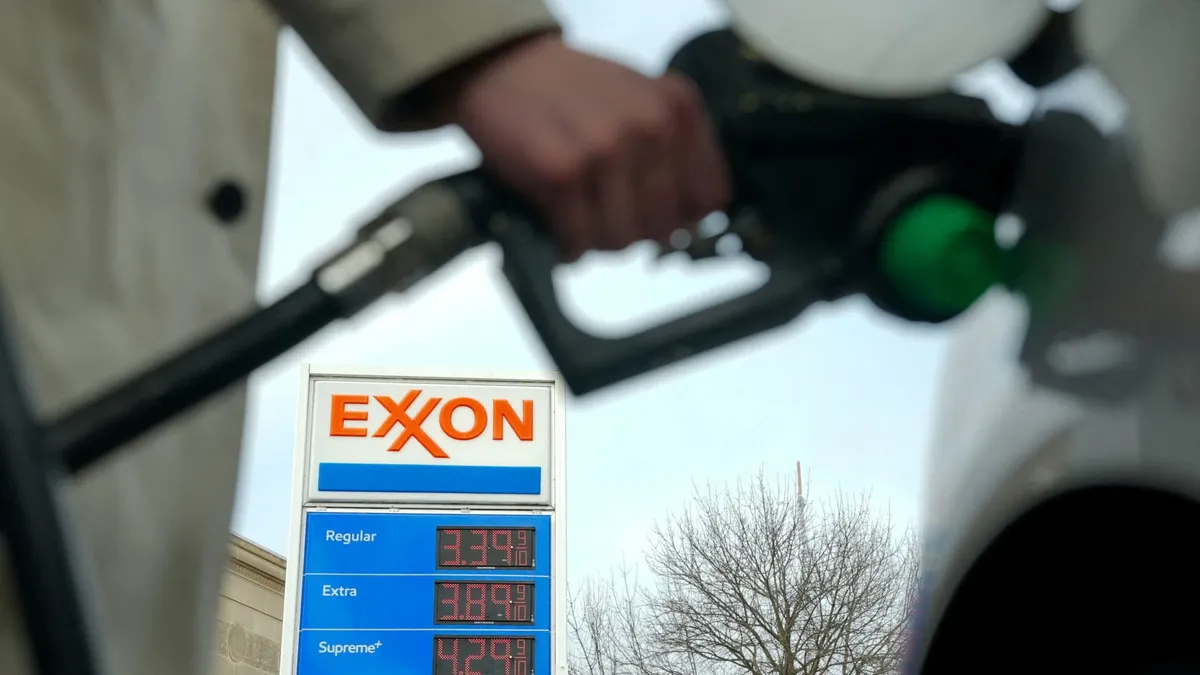
As of March 31, 2026, U.S. gasoline prices have surged above $4 per gallon for the first time in more than three years, hitting a nationwide average of $4.018. This increase represents the highest level since August 2022 and signals a troubling trend for American consumers already grappling with inflationary pressures.
The escalation in gas prices has been staggering, with prices soaring more than 30% since the onset of hostilities between the U.S., Israel, and Iran in late February. The average monthly gas price in March is expected to be 25% higher compared to February, further straining household budgets. Diesel prices have also crossed the $5 per gallon mark, reflecting a more than 40% increase since before the conflict began.
Americans have collectively spent an additional $8 billion on gasoline since the start of the Iran war, a stark reminder of how quickly geopolitical events can impact everyday life. Oil prices have surged more than 50% since the war began, exacerbating the situation and leading to fears of further economic repercussions.
Key figures in the energy sector are voicing their concerns. Lee Zeldin stated, “We foresee potential for a disruption to the American fuel supply,” highlighting the precarious nature of the current situation. Patrick De Haan warned, “This is really quickly going to ignite additional inflation,” indicating that rising fuel costs could have a cascading effect on the broader economy.
Andy Lipow added, “The consumer has already seen the sticker shock from rising gasoline prices and increased airline ticket prices from the rising cost of jet fuel.” This sentiment reflects a growing anxiety among consumers who are feeling the pinch from rising costs across multiple sectors, not just fuel.
In response to the crisis, the Environmental Protection Agency (EPA) is temporarily lifting some regulations to increase gas supplies, a move that underscores the urgency of the situation. JD Vance remarked, “We’ve got a problem, we know we have a problem, and we’re doing everything we can to address it.” This proactive approach may provide some relief, but the long-term implications of the conflict and rising fuel prices remain uncertain.
Observers are closely monitoring the situation, as the potential for further disruptions looms large. With the conflict in Iran showing no signs of abating, the American public may need to brace for continued volatility in gasoline prices and the broader economic landscape.