Introduction
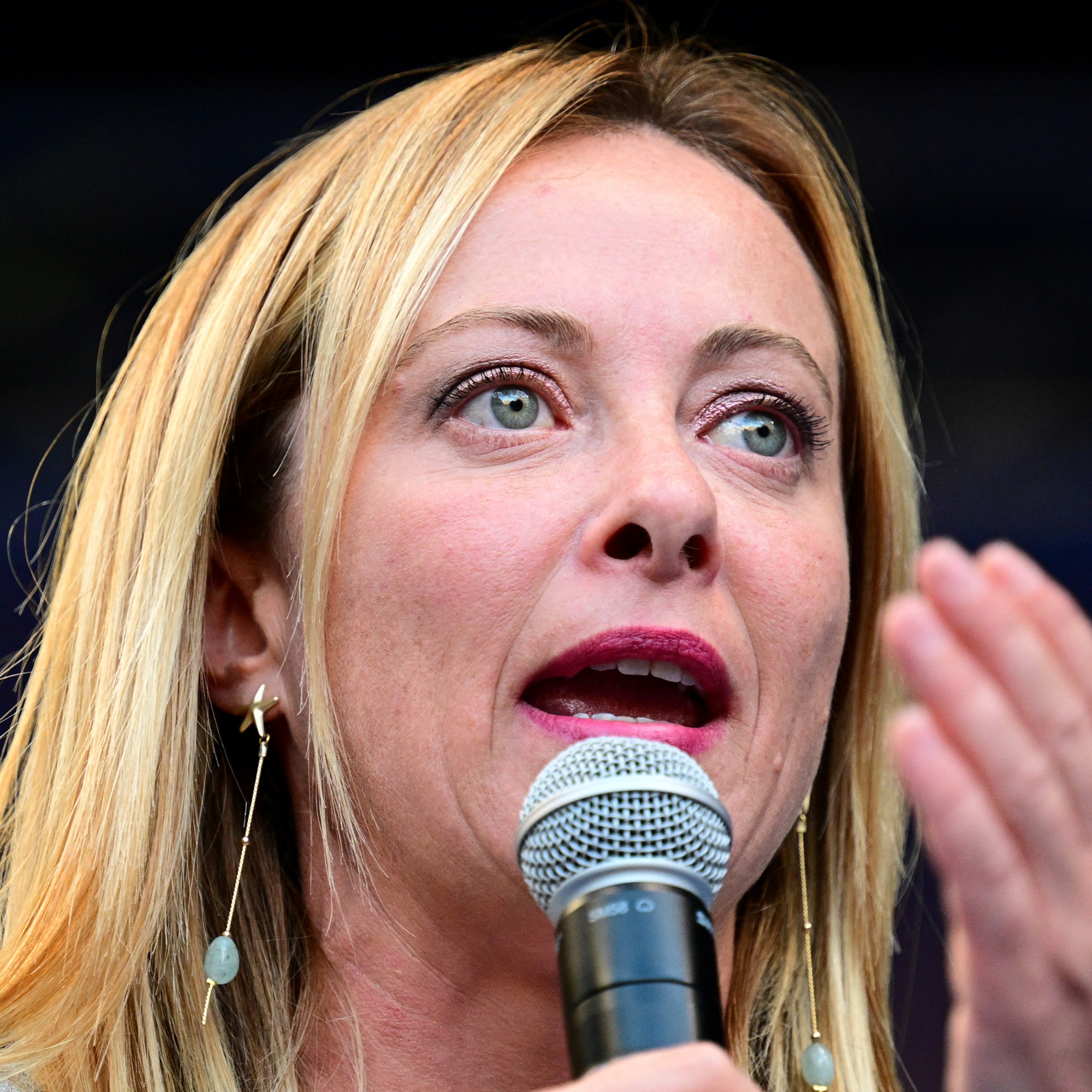
Giorgia Meloni, the leader of Brothers of Italy (Fratelli d’Italia), has made history as Italy’s first female Prime Minister. Her ascent to power is significant not just for Italy but for the entire European political landscape. As a prominent figure in the right-wing movement, Meloni’s leadership represents a shift in Italy’s political dynamics, reflecting broader trends across Europe towards nationalist and conservative governance.
Meloni’s Political Journey
Born in Rome in 1977, Meloni began her political career at a young age, joining the youth wing of the Italian Social Movement. She has since held various positions, including Minister of Youth. Her strong rhetorical skills and ability to connect with voters have propelled her to the forefront of Italian politics. In the September 2022 elections, Meloni’s party secured a significant victory, allowing her to form a coalition government with other right-wing parties.
Key Policies and Impact
Meloni’s government has focused on several critical issues, including immigration control, economic reforms, and family-centric policies. She has been vocal about her stance on the European Union, advocating for more national sovereignty and pushing back against what she perceives as overreach from Brussels. Her leadership style has drawn both domestic and international scrutiny, with some praising her assertiveness while others express concern over her hardline views.
International Relations and Challenges
Since taking office, Meloni has faced numerous challenges, particularly regarding Italy’s role within the EU amid ongoing geopolitical tensions, such as the ongoing war in Ukraine. Her approach to these issues is drawing attention not only from European allies but also from global powers. Observers note that Meloni’s stance could influence future EU policies, especially regarding economic sanctions and military support for Ukraine.
Conclusion
Giorgia Meloni’s rise as Italy’s first female Prime Minister marks a pivotal moment in both national and European politics. Her policies will likely continue to shape the political discourse in Italy and beyond in the coming years. As she navigates complex domestic and international challenges, the outcomes of her administration could have lasting implications for the future of European governance. The political landscape is evolving, with Meloni representing a significant chapter in Italy’s narrative.