The numbers
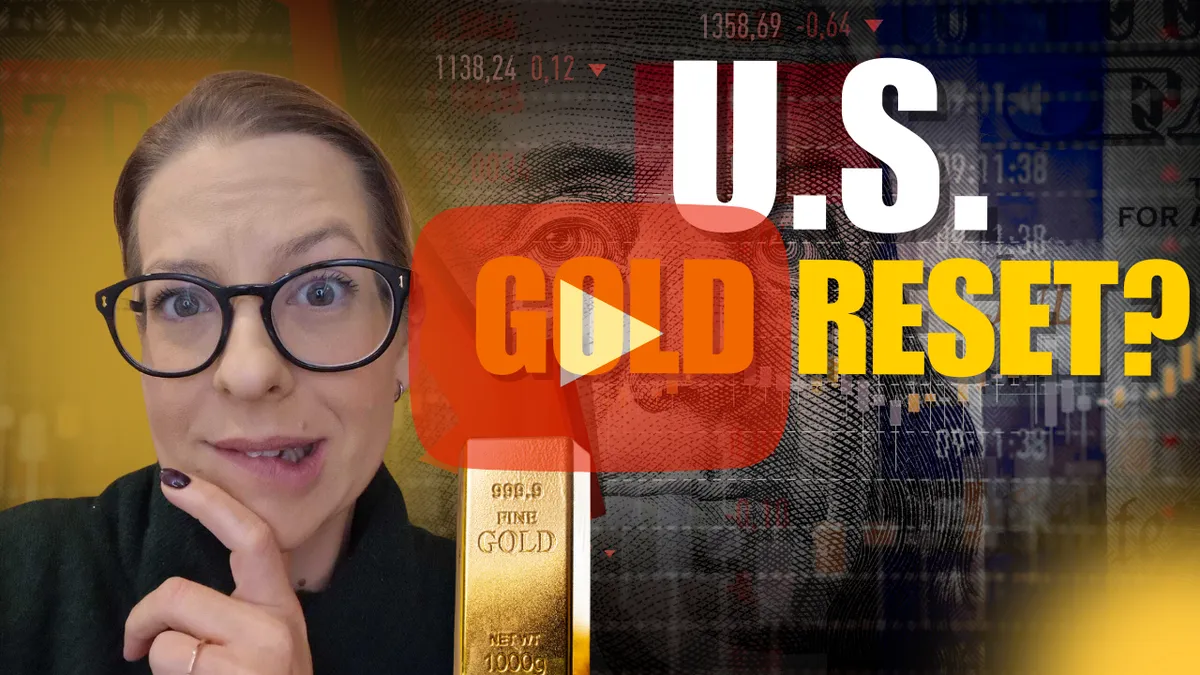
On March 23, 2026, gold April futures opened at an impressive $4,515 per troy ounce. However, the market quickly shifted, and gold prices fell below $4,250 during early trading, reflecting a significant decline in investor confidence.
As of 8:15 a.m. ET on the same day, the spot price of gold was recorded at $4,358.97 per ounce. This marked a sharp decline of $134.81, or 3%, from the previous close of $4,493.78. Just a week prior, gold traded at $4,999.75, and one month ago, it was even higher at $5,107.18. This downward trend highlights the volatility currently affecting the gold market.
Over the past year, gold prices have risen by an impressive 44.16%, with the price one year ago standing at $3,023.72 per ounce. Despite this growth, the current price is still 20.42% below its 52-week high of $5,477.79, a stark reminder of the market’s recent fluctuations. Interestingly, gold remains 46.31% above its 52-week low of $2,979.29, indicating that while the market is currently in a downturn, it has not lost all its gains from the past year.
The recent decline in gold prices can be attributed to rising inflation concerns, particularly stemming from the ongoing conflict in Iran. This geopolitical tension has prompted investors to reassess their positions in gold, traditionally viewed as a safe haven during times of uncertainty. Higher interest rates, which reduce demand for gold since it does not yield a coupon, have further compounded this issue.
Gold’s one-year gain was notably high at 95.6% on January 29, 2026, but the current market sentiment suggests a shift as investors react to economic indicators and geopolitical events. The volatility in gold prices reflects broader market trends, where uncertainty often leads to rapid changes in investor behavior.
As observers analyze the situation, they are keenly watching for any signs of stabilization in gold prices. The current drop has raised questions about the sustainability of gold’s recent gains and whether the market will rebound or continue to decline. Details remain unconfirmed regarding the long-term impact of the Iran conflict on gold prices and investor sentiment.
In summary, while gold prices have seen significant growth over the past year, the recent downturn highlights the fragility of the market in the face of rising inflation and geopolitical tensions. Investors are left to navigate this complex landscape, weighing the risks and potential rewards of their gold investments.