Introduction
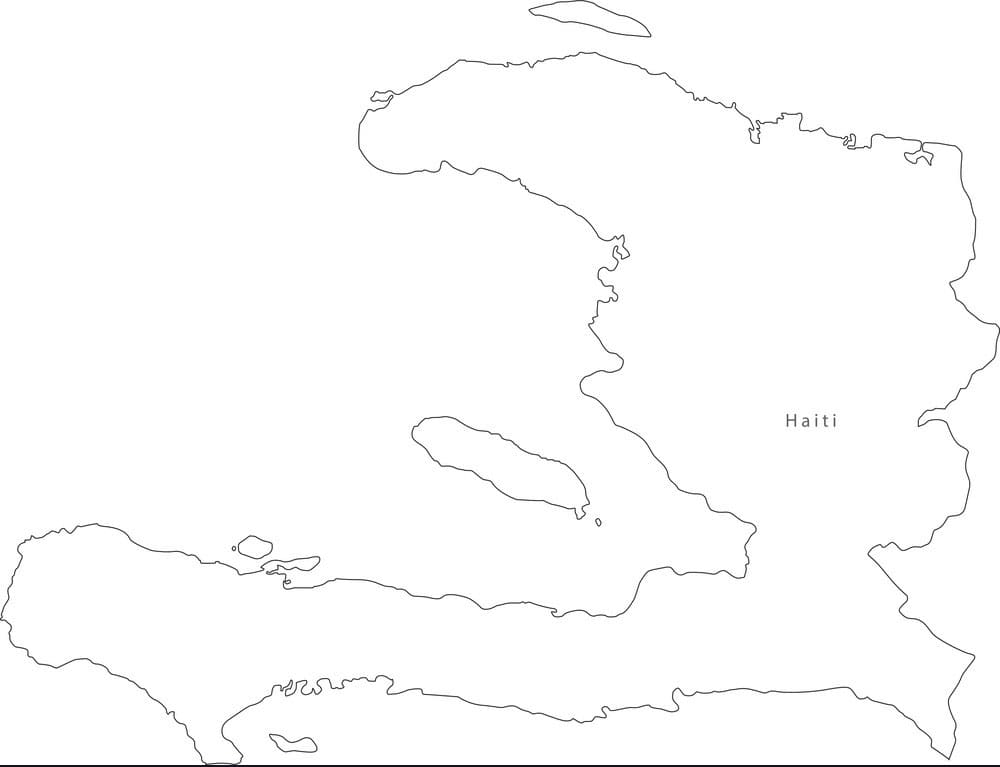
Haiti is currently facing significant challenges, as the nation grapples with political instability, economic hardships, and widespread violence. The importance of understanding the situation in Haiti cannot be overstated, as its ramifications extend beyond its borders. With a strategic location in the Caribbean and a history marked by resilience, the developments in Haiti have garnered attention from governments and humanitarian organisations globally.
Current Situation
As of late 2023, Haiti is experiencing an alarming rise in gang violence and kidnappings, which has made day-to-day life precarious for many citizens. Reports indicate that gangs have gained unprecedented control over significant portions of the capital, Port-au-Prince, leading to a humanitarian crisis that has displaced thousands. According to the United Nations, more than 4.9 million people, almost half of the country’s population, are in need of humanitarian assistance.
The government has struggled to maintain order, and public confidence in the political leadership has diminished. Prime Minister Ariel Henry, who took office after the assassination of President Jovenel Moïse in July 2021, has been facing mounting pressure to restore peace and governance. In response to the escalating crisis, the Haitian government has sought international assistance, with discussions underway for a foreign military intervention to help stabilize the situation.
International Response
The international community has been closely monitoring the situation in Haiti. The United Nations Security Council is considering a resolution to authorise a multinational force to support the Haitian National Police. Countries such as Canada and the United States have expressed their willingness to assist in addressing the violence and insecurity. Additionally, humanitarian organisations are ramping up efforts to provide food, medical care, and shelter to those affected by the conflict.
Conclusion
The current crisis in Haiti serves as a stark reminder of the struggles faced by many nations under similar circumstances. The potential international intervention may offer a glimmer of hope, but the path to recovery will require a concerted effort from both local leaders and the global community. As the situation evolves, it is crucial for individuals both within Haiti and globally to stay informed and engaged in advocating for sustainable solutions that respect the agency and dignity of the Haitian people. The resilience of Haitians will be key to navigating these turbulent times, hoping for a future of stability and prosperity.